DIY Guide

DIY Guide

How to Protect Tempered Glass from Scratches and Chips

Nov 27, 2025

Introduction

Tempered glass is a popular choice for furniture, partitions, splashbacks, and table tops because of its strength, safety, and sleek appearance. Despite its durability, tempered glass can still be scratched or chipped if not handled properly. Protecting it is essential for maintaining its aesthetic appeal and functional performance. This guide provides practical tips and strategies to safeguard tempered glass from scratches, chips, and other damage.

Why Tempered Glass Can Still Get Damaged

While tempered glass is stronger than annealed glass, it is not completely impervious to damage. Understanding the causes of scratches and chips helps in prevention:

  • Abrasive materials: Sand, grit, or metal objects can scratch the surface.
  • Improper handling: Dragging objects across glass or hitting it against hard surfaces.
  • Edge vulnerability: The edges of tempered glass are more prone to chipping if impacted.
  • Heavy impacts: Dropping heavy items or applying uneven pressure may cause chips or cracks. (GGF UK)

Cleaning and Daily Maintenance

Proper cleaning techniques reduce the risk of scratches:

  • Use a soft, lint-free cloth or microfiber towel.
  • Apply non-abrasive glass cleaners; avoid powders or abrasive pads.
  • Clean in a circular motion, and avoid using excessive pressure.
  • Remove grit or debris from the surface before wiping. (Pilkington UK)

Protective Measures for Furniture and Table Tops

Tempered glass furniture, including desks, dining tables, and display cases, requires extra precautions:

  • Use placemats or coasters: Prevent scratches from cutlery, crockery, or other items.
  • Soft padding: Place felt pads or silicone bumpers under objects to avoid surface contact.
  • Avoid sliding objects: Lift items rather than dragging them across the glass surface.
  • Consider tempered Glass Table Top with rounded or polished edges to reduce chipping risks.

Edge and Corner Protection

The edges of tempered glass are more susceptible to chipping than the centre. Protection methods include:

  • Installing rubber or silicone edge guards on furniture panels.
  • Ensuring panels are installed with frames or channels to provide support.
  • Using tempered glass with bevelled or polished edges, which reduces vulnerability. (Huxley & Co)

Preventing Damage During Installation

Proper installation is critical for long-term protection:

  • Always handle panels with gloves and avoid contact with hard surfaces.
  • Transport glass vertically to reduce stress on the edges.
  • Ensure frames and brackets fit accurately; misalignment can create pressure points.
  • Work with certified installers to meet UK building safety standards. (Gov.uk Safety Glazing Regulations)

Protective Films and Coatings

Additional protection can be applied through specialised films and coatings:

  • Tempered glass films: Clear or anti-glare films can prevent scratches and add UV protection.
  • Surface coatings: Hydrophobic or oleophobic coatings repel water and grease, reducing cleaning damage.
  • Decorative laminates: For high-traffic areas, consider frosted or satin finishes. See Frosted Glass and Satin Glass for options.

Regular Inspections and Repairs

  • Inspect tempered glass periodically for minor chips or scratches.
  • Small chips on edges can sometimes be smoothed by professionals using polishing techniques.
  • Replace damaged panels promptly; even minor chips can grow under stress and compromise safety. (Everest UK)

Practical Tips for Commercial Applications

Offices, restaurants, and hotels have high-traffic environments that require extra care:

  • Install protective barriers or railings for glass panels near walkways.
  • Use laminated tempered glass for areas prone to impact.
  • Apply protective mats under furniture in dining or conference areas.
  • Ensure staff are trained to handle glass safely, particularly for cleaning and moving items.

Conclusion

Protecting tempered glass from scratches and chips is crucial to preserve both its appearance and safety. Using soft cleaning materials, protective films, edge guards, and careful handling ensures longevity in both residential and commercial applications. For high-quality, durable panels, explore our range of Glass Table Top solutions along with Tempered Glass, Clear Glass, Frosted Glass, and Satin Glass.

Meta Information

Meta Title: How to Protect Tempered Glass from Scratches and Chips

Meta Description: Learn practical tips to safeguard tempered glass from scratches and chips for furniture, kitchen surfaces, and commercial applications.

Target Keywords: protect tempered glass, tempered glass scratches, tempered glass chips, tempered glass maintenance

FAQ

  • Q: Can tempered glass scratch easily?
    A: While more durable than regular glass, tempered glass can scratch from abrasive materials or improper handling. (GGF UK)
  • Q: How can I protect edges of tempered glass?
    A: Use rubber or silicone edge guards, and choose panels with polished or bevelled edges. (Huxley & Co)
  • Q: Are protective films worth applying?
    A: Yes. Films reduce scratches, protect against UV, and can enhance appearance.
  • Q: How should I clean tempered glass to avoid scratches?
    A: Use soft, lint-free cloths and non-abrasive cleaners. Remove debris before wiping. (Pilkington UK)
  • Q: Can tempered glass chips be repaired?
    A: Minor edge chips can sometimes be polished by professionals, but significant damage requires panel replacement. (Everest UK)
DIY Guide

Can You Cut or Drill Tempered Glass? What You Need to Know

Nov 27, 2025

Introduction

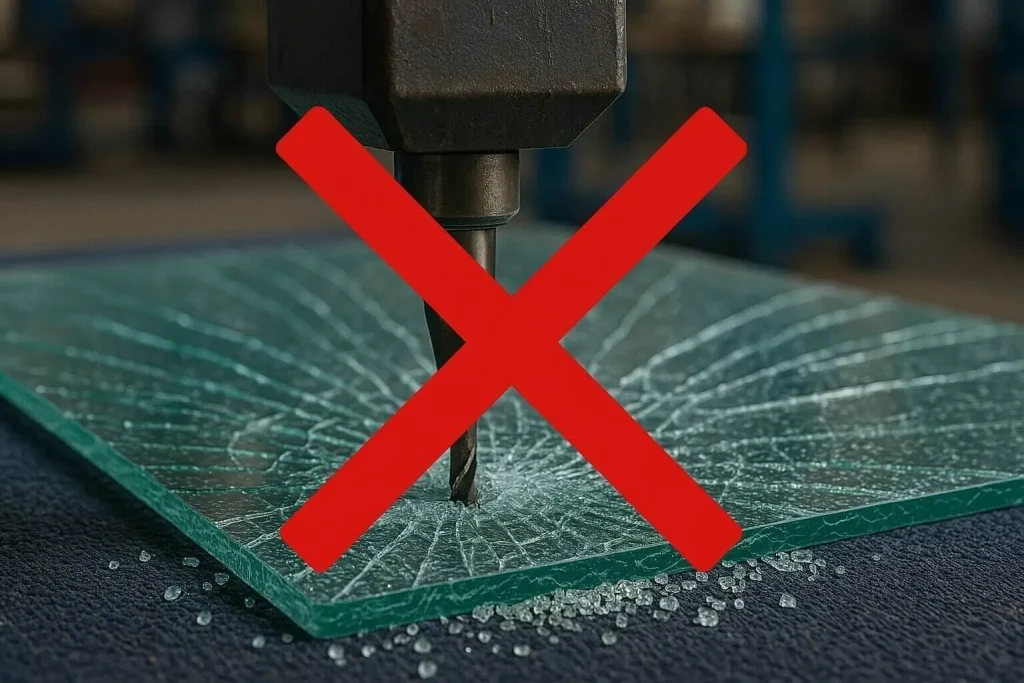
Tempered glass is widely used in modern interiors, furniture, and commercial spaces due to its superior strength and safety. However, one common question is whether tempered glass can be cut or drilled. Unlike standard glass, tempered glass cannot be modified once it has been heat-treated. Attempting to cut, drill, or grind tempered glass can cause it to shatter instantly, posing safety risks. This article explores the properties of tempered glass, why it cannot be modified after tempering, and what alternatives exist for customisation.

Understanding Tempered Glass

Tempered glass, also known as toughened glass, is manufactured by heating ordinary annealed glass to high temperatures and then rapidly cooling it. This process creates a layer of compressive stress on the surface and tensile stress inside, making the glass up to five times stronger than standard glass. (GGF UK)

  • Strength: Tempered glass resists impacts and thermal stress better than regular glass.
  • Safety: If broken, it shatters into small, blunt pieces rather than dangerous shards.
  • Applications: Used in windows, doors, furniture, splashbacks, and table tops. Learn more about Tempered Glass.

Why You Cannot Cut or Drill Tempered Glass

Once glass has been tempered, the surface is under compressive stress, and the interior is under tension. Any attempt to cut, drill, or grind interrupts this stress balance, causing the glass to shatter into thousands of fragments.

  • Cutting or drilling post-tempering is extremely dangerous and almost always results in breakage.
  • Even minor scratches from improper handling can compromise the structural integrity of tempered glass.
  • This limitation distinguishes tempered glass from annealed or laminated glass, which can be cut or drilled before tempering. (Pilkington UK)

Exceptions and Special Considerations

While standard tempered glass cannot be cut or drilled after tempering, some alternatives and precautions exist:

  • Pre-Cut or Pre-Drilled: All cutouts for holes, edges, or shapes must be made before the tempering process.
  • Laminated Glass: Some laminated glass products combine tempered and standard layers, offering limited flexibility. (RIBA knowledge centre)
  • Edge Finishing: Polishing or bevelled edges must be done before tempering. Attempting to grind tempered glass will cause breakage.

Alternatives for Customisation

If your project requires modification of the glass after production, consider the following options:

  • Annealed Glass: Can be cut, drilled, and shaped before tempering. It can then be heat-treated to achieve the strength of tempered glass.
  • Laminated Glass: Combines multiple layers and can sometimes allow minor drilling or finishing on the outer layers without full shattering. (Huxley & Co)
  • Custom Tempered Glass: Order panels pre-cut to the exact dimensions and with pre-drilled holes, finishes, or shapes. See Glass Table Top for customised tempered glass solutions.

Best Practices for Handling Tempered Glass

  • Always handle panels with gloves and safety gear.
  • Transport large panels vertically, supported along the edges.
  • Store glass in a clean, dry area to avoid scratches or chips that could lead to shattering.
  • Do not attempt modifications; consult suppliers for pre-cut solutions. (Everest UK)

Applications Requiring Pre-Cut Tempered Glass

When planning projects with tempered glass, it is essential to finalise dimensions and features before production:

  • Kitchen Splashbacks: Include cutouts for sockets or taps before tempering. Learn more about Frosted Glass for stylish options.
  • Table Tops: Specify the exact size, edge finish, and any hole placements for fixtures.
  • Windows and Doors: Ensure pre-tempered panels match the frame and hardware.
  • Cabinet Doors: Holes for handles and hinges must be drilled prior to tempering. See Satin Glass options for cabinets.

Design and Safety Tips

  • Measure twice and confirm dimensions with your supplier before production.
  • Choose the appropriate thickness for your application (e.g., 6–12mm for furniture and interior panels).
  • Consider pre-printed, coloured, or frosted tempered glass for decorative purposes without post-production modification.
  • Always comply with UK glazing regulations to ensure safety in commercial or residential spaces. (Gov.uk Safety Glazing Regulations)

Conclusion

Tempered glass cannot be cut, drilled, or altered after the tempering process due to its unique stress properties. For any modification, it must be performed prior to heat treatment. By planning measurements, cutouts, and finishes ahead of time, you can enjoy the strength, safety, and aesthetic benefits of tempered glass. For high-quality pre-cut and custom panels, explore Glass Table Top products, alongside Tempered Glass, Clear Glass, Frosted Glass, and Satin Glass.

Meta Information

Meta Title: Can You Cut or Drill Tempered Glass? What You Need to Know

Meta Description: Learn why tempered glass cannot be cut or drilled after production, and discover safe alternatives and customisation options for your projects.

Target Keywords: cut tempered glass, drill tempered glass, tempered glass customisation, tempered glass safety

FAQ

  • Q: Can tempered glass be cut after tempering?
    A: No. Cutting tempered glass post-tempering will cause it to shatter instantly. (Everest UK)
  • Q: Can I drill holes in tempered glass?
    A: No. Any drilling after tempering will compromise the glass and cause it to break.
  • Q: How can I customise tempered glass?
    A: All cutouts, holes, and edge finishes must be done before tempering. Custom panels can be ordered pre-cut. (Glass Table Top)
  • Q: Are there safer alternatives for post-production modification?
    A: Annealed glass or laminated glass allows cutting or drilling before any tempering or lamination.
  • Q: Why is tempered glass used instead of standard glass?
    A: Tempered glass is stronger, safer, and more resistant to heat and impact, making it ideal for furniture, splashbacks, and architectural applications. (GGF UK)
DIY Guide

How to Measure Correctly for Replacement Tempered Glass

Nov 27, 2025

Introduction

Replacing a tempered glass panel requires precision, as even minor errors can result in ill-fitting or unsafe glass. Whether for a table top, splashback, window, or cabinet, accurate measurements ensure your replacement tempered glass fits perfectly and functions safely. This guide provides a step-by-step approach to measuring for replacement tempered glass, explains common pitfalls, and highlights best practices for homeowners and professionals alike.

Why Accurate Measurement Matters

Tempered glass is heat-treated and cannot be cut after production. This makes accurate measurement crucial for:

  • Safety: Incorrectly sized glass may not fit securely, increasing the risk of breakage.
  • Cost Efficiency: Tempered glass is custom-made; mistakes lead to costly replacements.
  • Visual Appeal: Precisely measured panels ensure seamless integration with surrounding surfaces.
  • Compliance: Proper sizing ensures adherence to UK building regulations and safety glazing standards. (Gov.uk Safety Glazing Regulations)

Tools You Will Need

Before measuring, gather the following tools:

  • Steel measuring tape (preferably 5m or longer)
  • Spirit level for checking alignment
  • Pencil or marker for marking reference points
  • Notepad to record measurements
  • Assistant for handling large panels safely

Step-by-Step Guide to Measuring for Replacement Tempered Glass

1. Identify the Type of Glass Panel

Determine whether the glass is for a window, cabinet, splashback, or table top. Each application has specific measurement considerations, such as allowances for frames, hinges, or fittings. (Tempered Glass)

2. Remove the Old Panel Carefully

If safe to do so, remove the existing glass panel. For wall-mounted panels or windows, use gloves and protective eyewear. Avoid trying to cut or reuse broken tempered glass.

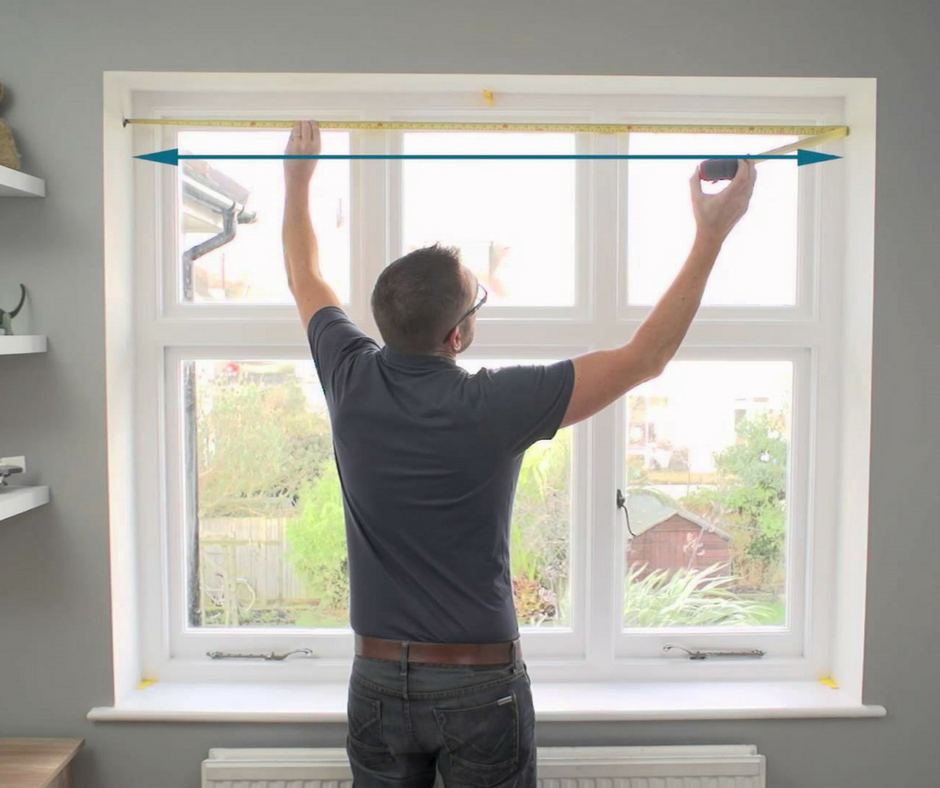
3. Measure the Width

Use a steel tape measure to record the width at multiple points: top, middle, and bottom. Use the smallest measurement as your reference to ensure a perfect fit, especially for uneven frames.

4. Measure the Height

Measure the vertical distance from the bottom to the top frame at several points. Again, the smallest measurement should guide your final dimensions.

5. Consider Edge Allowances

Some applications require a small clearance (typically 2–5mm) to allow for expansion, fitting, or sealant. Confirm with your supplier before finalising measurements.

6. Check Diagonal Measurements

For rectangular panels, measure diagonally from corner to corner to ensure squareness. Unequal diagonals indicate an out-of-square frame that may require adjustment.

7. Record Cutouts or Holes

If the glass requires holes for handles, hinges, or fixtures, measure and mark their positions precisely. Remember, holes must be drilled before tempering; tempered glass cannot be modified afterward. (Everest UK)

8. Verify the Measurements

Double-check all dimensions with a second person to avoid errors. Accurate recording reduces the risk of costly mistakes and ensures a safe fit.

Special Considerations for Different Applications

Kitchen Splashbacks

  • Measure from the worktop to the bottom of the cabinets, accounting for outlets and switches.
  • Allow for gaps behind appliances to avoid pressure points.
  • Check for uneven walls that may affect fitting. (Huxley & Co)

Table Tops

  • Measure the supporting frame carefully, ensuring edges are flush with the structure.
  • Consider overhang allowances if required for aesthetic or functional reasons. Explore Glass Table Top solutions.

Windows and Doors

  • Measure the width and height inside the frame and note any obstructions or trims.
  • Allow for spacers or rubber gaskets used in the frame system. (Pilkington UK)

Cabinet Doors

  • Measure panel width and height precisely within the frame, accounting for hinge or handle locations.
  • For frameless designs, ensure edge alignment with adjoining panels.

Tips for Accurate Measurement

  • Always measure twice, record once.
  • Use a steel tape for straight and accurate measurements; avoid cloth or flexible tapes that can stretch.
  • Take photos of the existing installation to share with your glass supplier.
  • Consider using a spirit level to check for out-of-square frames or surfaces.
  • Consult with your supplier about recommended tolerances for specific applications. (GGF UK)

Ordering and Installation Considerations

Once measurements are confirmed:

  • Provide exact dimensions, finish, and any cutouts to your supplier.
  • Confirm the type of glass: clear, frosted, satin, or coloured. See Frosted Glass and Satin Glass.
  • Hire certified installers for safe and compliant fitting. Large panels may require multiple personnel or lifting equipment.
  • Check the final installation for alignment, secure fixing, and safety compliance. (Gov.uk Safety Glazing Regulations)

Conclusion

Accurate measurement is essential when replacing tempered glass to ensure safety, functionality, and aesthetic appeal. By following step-by-step guidelines, considering edge allowances, cutouts, and application-specific requirements, you can achieve a perfect fit for windows, cabinets, table tops, or splashbacks. For high-quality replacement panels, explore our Glass Table Top products, alongside Tempered Glass, Clear Glass, Frosted Glass, and Satin Glass options for a customised fit.

Meta Information

Meta Title: How to Measure Correctly for Replacement Tempered Glass

Meta Description: Learn step-by-step how to measure for replacement tempered glass safely and accurately for windows, cabinets, and table tops.

Target Keywords: replacement tempered glass, measuring tempered glass, tempered glass fit, tempered glass installation

FAQ

  • Q: Can tempered glass be cut after tempering?
    A: No, tempered glass cannot be cut or drilled after production. Accurate pre-tempering measurements are essential. (Everest UK)
  • Q: How much clearance should I allow for installation?
    A: Typically 2–5mm depending on the frame and application. Confirm with your supplier.
  • Q: What tools do I need to measure tempered glass?
    A: Steel measuring tape, spirit level, pencil, and notepad are recommended.
  • Q: Should I hire a professional to measure?
    A: While homeowners can measure small panels, large or complex installations should be measured by certified professionals for safety and compliance. (GGF UK)
  • Q: Can tempered glass replacement panels be customised?
    A: Yes. They can be made in clear, frosted, satin, or coloured finishes, with custom cutouts before tempering. (Tempered Glass)
DIY Guide

Tempered Glass Balustrades: Safety, Aesthetics, and Regulations

Nov 27, 2025

Introduction

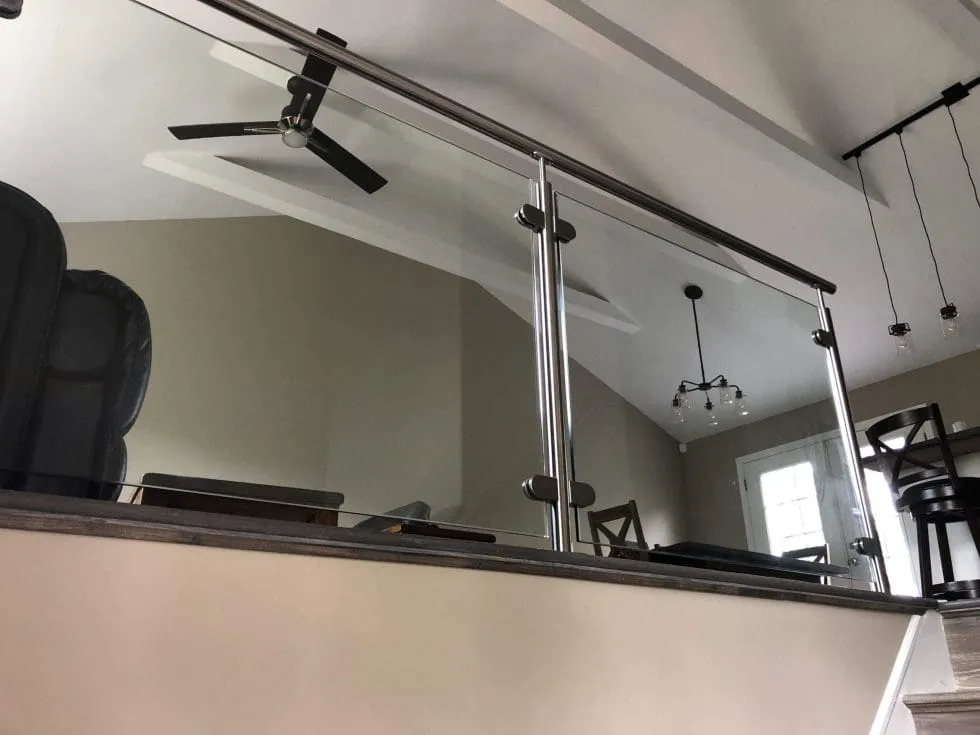
Tempered glass balustrades have become a hallmark of modern architecture and interior design. Their sleek, transparent appearance offers uninterrupted views while maintaining safety and elegance. Whether used for staircases, balconies, or terraces, tempered glass balustrades combine style with functionality. This article explores the key aspects of tempered glass balustrades, including safety, aesthetics, and compliance with UK regulations.

Benefits of Tempered Glass Balustrades

Tempered glass is an excellent choice for balustrades because it offers a range of benefits for both homeowners and commercial properties:

  • Enhanced Safety: Tempered glass is heat-treated to increase strength. If broken, it shatters into small, blunt pieces rather than dangerous shards, significantly reducing the risk of injury. Learn more about Tempered Glass safety.
  • Unobstructed Views: Transparent panels create an open, airy feel and maximise natural light, ideal for modern homes and offices.
  • Durability: Resistant to impact, scratches, and weather changes, making tempered glass suitable for indoor and outdoor applications.
  • Low Maintenance: Simple cleaning with non-abrasive solutions keeps the glass looking pristine, compared to traditional balustrade materials like wood or metal.
  • Versatile Design: Available in clear, frosted, or satin finishes, tempered glass balustrades can complement a wide range of interior and exterior design schemes. Check Frosted Glass and Satin Glass options for decorative effects.

Types of Glass Used in Balustrades

Choosing the right glass type is crucial for safety and aesthetics:

  • Tempered Glass: Strong and safe, commonly used for balustrades and structural panels.
  • Laminated Glass: Two or more layers of glass bonded with a plastic interlayer, offering additional safety if the glass breaks.
  • Clear Glass: Provides unobstructed views and a modern look. Explore Clear Glass balustrades.
  • Frosted or Satin Glass: Adds privacy or decorative flair while maintaining safety and strength.
  • Patterned or Textured Glass: Suitable for design features and areas where some opacity is desired.

Safety Considerations

Safety is the primary concern when installing glass balustrades. UK standards and building regulations must be followed:

  • Ensure glass meets BS 6180:2011, the UK standard for barriers in and around buildings.
  • For structural balustrades, use either tempered or laminated glass to prevent dangerous breakages.
  • Maintain correct glass thickness—commonly 10mm to 21.5mm for different balustrade applications.
  • Check fixings and fittings; stainless steel or aluminium supports provide robust anchoring.
  • Regular inspections are recommended, particularly for outdoor installations exposed to wind or impact.

Regulations and Compliance

UK regulations ensure that glass balustrades are safe for public and private spaces:

  • BS 6180:2011 specifies strength, height, and construction requirements.
  • Building Regulations Part K covers protection from falling in stairs, ramps, and balconies.
  • Glass panels must withstand impact forces as defined by UK standards.
  • Laminated or tempered glass is mandatory in areas where safety is critical.
  • Approved suppliers like those following Glass and Glazing Federation (GGF) standards ensure compliance with regulations.

Design and Aesthetic Advantages

Glass balustrades offer unmatched design flexibility:

  • Minimalist Look: Frameless or semi-frameless designs create a contemporary, clean appearance.
  • Customisable Finishes: Frosted or tinted options add privacy or complement interior colours.
  • Integration with Lighting: LED strips along the base enhance visual appeal and safety.
  • Combination with Other Materials: Pair with wood, metal, or stone for a luxurious modern finish.

Maintenance Tips

Proper care extends the life and appearance of tempered glass balustrades:

  • Use mild, non-abrasive cleaners and a soft cloth for regular cleaning.
  • Inspect fixings and joints periodically to ensure stability.
  • Remove hard water stains promptly to avoid long-term residue.
  • Outdoor installations may require occasional washing to remove pollution or moss buildup.

Buying and Installation Checklist

When planning a tempered glass balustrade, ensure the following:

  1. Glass is certified tempered or laminated according to UK safety standards.
  2. Thickness and height comply with BS 6180:2011 and Part K regulations.
  3. Professional installation is recommended to prevent damage and ensure safety.
  4. Check warranty, supplier credibility, and aftercare services.
  5. Consider additional finishes or treatments, such as anti-reflective coating or UV protection.

Conclusion

Tempered glass balustrades offer a perfect blend of safety, elegance, and modern design. By adhering to UK regulations and choosing the right glass type and finish, you can create stunning, durable installations for both interiors and exteriors. Whether opting for clear, frosted, or satin glass, these balustrades enhance space while ensuring safety. For additional furniture ideas that complement glass installations, explore our Glass Table Top collection for elegant design solutions.

Meta Information

Meta Title: Tempered Glass Balustrades: Safety & Style

Meta Description: Discover tempered glass balustrades, their safety benefits, aesthetic appeal, and UK regulations for secure, stylish installations.

Target Keywords: tempered glass balustrades, glass balustrade safety, frosted glass, clear glass

FAQ

  • Q: Are tempered glass balustrades safe?
    A: Yes, tempered glass is heat-treated and shatters into small, blunt pieces, reducing injury risks.
  • Q: What UK regulations apply to glass balustrades?
    A: BS 6180:2011 and Building Regulations Part K cover safety, height, and strength requirements.
  • Q: Can glass balustrades be used outdoors?
    A: Yes, tempered or laminated glass is durable for outdoor use, but regular inspection and maintenance are recommended.
  • Q: What thickness is recommended for stair or balcony balustrades?
    A: Typically, 10mm to 21.5mm tempered or laminated glass, depending on panel size and height.
  • Q: Can I combine glass with wood or metal in balustrade designs?
    A: Absolutely, combining materials enhances aesthetic appeal and supports structural design.
DIY Guide

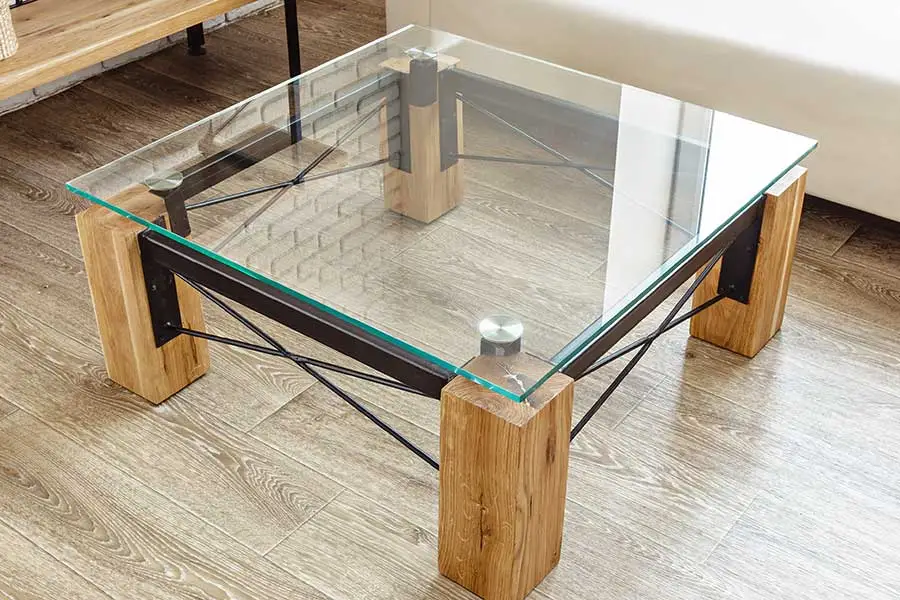
Safety Standards for Glass Table Tops (UK & EU Regulations Explained)

Nov 27, 2025


Safety Standards for Glass Table Tops (UK & EU Regulations)


Safety Standards for Glass Table Tops (UK & EU Regulations Explained)

Glass table tops are a popular choice in modern interior design, offering elegance, light transmission, and a sense of openness. However, glass can be dangerous if not manufactured, installed, and maintained according to safety standards. This guide explains the essential UK and EU safety regulations for glass table tops, providing practical advice for homeowners, designers, and furniture suppliers.

Why Safety Standards Matter

Ordinary annealed glass is prone to shattering into sharp shards, which can cause serious injury. The General Product Safety Regulations 2005 require that all consumer products, including furniture with glass components, are safe when used as intended. Safety glass, such as tempered or laminated glass, is designed to either remain intact or break safely into small fragments. Following the correct standards ensures both legal compliance and user safety.

Key Standards for Glass Table Tops

Glass-Specific Standards

  • EN 12150: Defines requirements for thermally toughened (tempered) soda-lime silicate safety glass for building and furniture use. See the British Glass overview of EN 12150.
  • EN 14449: Specifies requirements for laminated safety glass, which remains bonded even when cracked. More details are available from Glazing Centre.
  • EN 12600: Establishes the pendulum impact test for flat glass, classifying how glass breaks under impact. See SureGuard on EN 12600.

Furniture and Table Standards

Critical Safety Criteria

Impact Resistance

EN 12600 requires testing for impact behaviour. Toughened glass (EN 12150) shatters into small, blunt fragments, whereas laminated glass (EN 14449) holds together, preventing loose shards. Both reduce injury risk significantly in daily use.

Structural Strength

Standards EN 12521 (domestic) and EN 15372 (commercial) define load, impact, and durability requirements. Tables must support intended weights, resist deformation, and maintain stability without causing the glass to fail. Proper design of table supports is essential to reduce edge stress and avoid unsafe conditions.

Marking and Documentation

Certified glass must carry a permanent mark showing the manufacturer, standard reference, and impact classification. Buyers should request test certificates confirming compliance. Detailed marking requirements can be found at Glazing Centre.

Practical Guidance for Manufacturers and Buyers

Manufacturers & Retailers

  • Only supply tempered or laminated glass conforming to EN 12150 or EN 14449.
  • Test tables according to EN 12521 or EN 15372 and retain documentation.
  • Ensure permanent marking on each glass panel.
  • Design table bases to properly support the glass, especially for larger or heavier tops.
  • Provide care instructions for safe use and handling. Guidance available from Health & Safety Consultancy.

Homeowners & Designers

  • Verify glass markings and request compliance documentation.
  • Ensure table supports are stable and appropriate for the glass size.
  • Avoid unsafe use: no standing or sitting on glass; do not use as a chopping surface.
  • For commercial applications, confirm compliance with EN 15372.

How This Impacts Modern Interior Design

Glass table tops add sophistication, lightness, and visual openness to modern interiors. Compliance with safety standards ensures that designers and homeowners can enjoy these benefits without compromising safety. For those sourcing glass table tops, it is advisable to choose certified tempered or laminated glass and ensure proper base support and handling. Learn more about choosing a glass table top here.

Conclusion

Safety in glass furniture is non-negotiable. By using tempered or laminated glass, ensuring correct structural support, and verifying compliance documentation and marking, glass table tops can be both stylish and safe. Following UK and EU regulations protects users, reduces liability, and maintains design integrity.

FAQ

Q1: Is safety glass mandatory for all glass table tops in the UK?

Yes. According to the General Product Safety Regulations 2005, all consumer products must be safe. Glass table tops must be tempered (EN 12150) or laminated (EN 14449).

Q2: How can I verify that a glass table top is compliant?

Check for permanent markings with manufacturer name, standard, and impact classification. Request test certificates from suppliers confirming compliance with EN 12150 or EN 14449 and EN 12521 or EN 15372. Reference: Glazing Centre.

Q3: Which is safer, tempered or laminated glass?

Both have advantages. Tempered glass shatters into small fragments; laminated glass holds together when cracked. Choice depends on environment and risk factors. Learn more at Glazing Centre.

Q4: Do commercial tables need stricter standards?

Yes. EN 15372 sets higher load and durability requirements than EN 12521 for domestic tables. Reference: Intertek Standards.


DIY Guide

Best Glass Thickness for Different Types of Tables

Nov 27, 2025


Best Glass Thickness for Different Types of Tables


Best Glass Thickness for Different Types of Tables

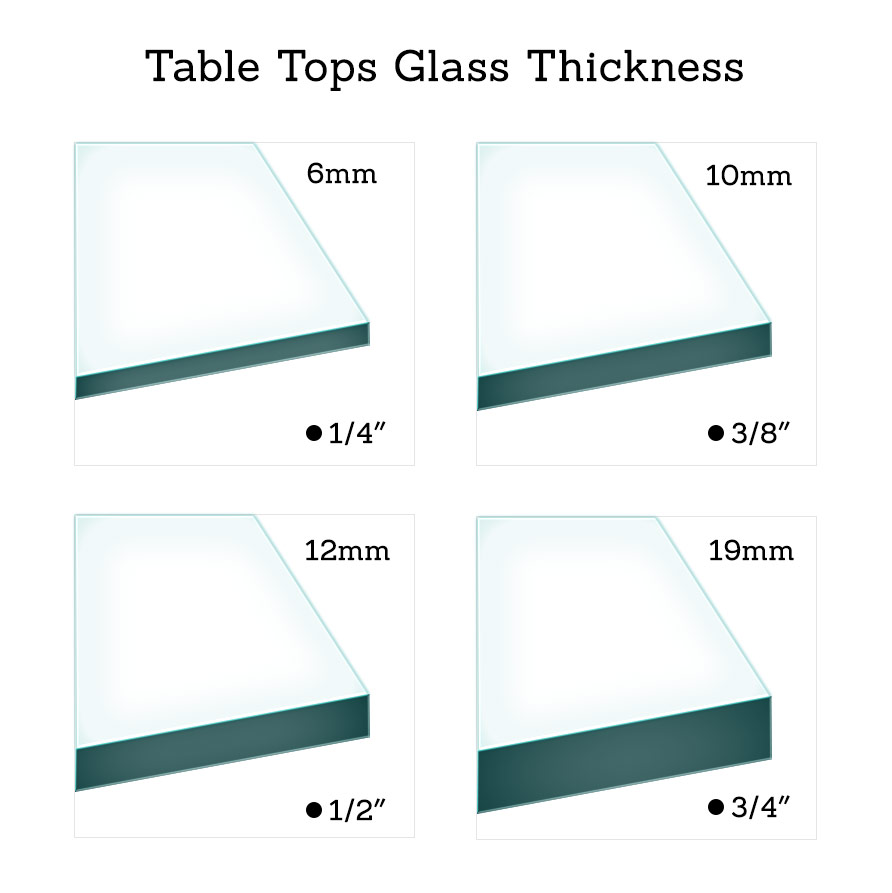
Choosing the right glass thickness is essential for ensuring a table’s safety, durability and aesthetic appeal. The ideal thickness varies depending on the type of table, its intended use, and the support structure. This guide provides detailed recommendations for different table types, including coffee tables, dining tables, desks, and protective overlays, with evidence-based insights for safe and practical use.

Why Glass Thickness Matters

Glass thickness affects structural strength, resistance to impact, and flex under load. Thicker glass can support more weight, reduce the risk of cracking, and provide a sturdier feel during everyday use. According to the Glass and Glazing Federation (GGF), even a small increase in thickness can significantly enhance load-bearing capacity and improve safety.

Additionally, safety standards in the UK recommend using tempered or laminated glass for table tops to prevent dangerous shards if the glass breaks. You can read more about safety requirements for furniture glass from the Glass Association.

Types of Glass for Tables

  • Tempered (toughened) glass: Stronger than annealed glass and shatters into small, safer pieces. Ideal for most table tops. More info at FIRA Glass Best Practice Guide.
  • Laminated glass: Made of two or more panes bonded with a plastic interlayer. Provides additional safety for large spans or high-traffic areas. Learn more at The Glass Warehouse.
  • Annealed (float) glass: Standard glass, suitable for light-duty protective covers only. See guidance from Glass Tops UK.

For any tabletop glass exceeding 6 mm or used regularly, tempered or laminated glass is strongly recommended for safety. [Learn more about choosing a glass table top here].

Recommended Glass Thickness by Table Type

The following table summarises typical thickness recommendations for various table types:

Table Type Recommended Thickness (mm) Notes
Protective Glass Cover 4 – 6 mm Serves only as a surface protector; underlying table bears the weight. See Glass Warehouse guide.
Small Side Tables / Nightstands 6 – 8 mm Light use, small spans.
Coffee Tables / Medium Tables 8 – 10 mm Moderate load; suitable for drinks, books, and décor.
Dining Tables / Office Desks 10 – 12 mm Handles heavier loads and frequent use.
Large Conference or Display Tables 12 – 19 mm For large spans or heavy-duty use; laminated or tempered recommended.

How to Choose the Right Glass Thickness

  1. Measure the span: Larger tabletops require thicker glass to prevent bending.
  2. Check support structure: Tables with edge support may allow slightly thinner glass than those supported at a few points.
  3. Consider usage: Frequent use or heavy items necessitate thicker glass.
  4. Select safety glass: Tempered or laminated glass is essential for safety, particularly for thickness over 6 mm. UK standards refer to BS EN 12150 for toughened safety glass.
  5. Factor in aesthetics and weight: Thicker glass appears more substantial but adds weight, influencing handling and base requirements.

Practical Examples

  • Coffee table: 8 mm toughened glass provides sufficient strength for daily use.
  • Dining table: 10–12 mm tempered glass supports dishes, laptops, and regular family use.
  • Desk: 10 mm tempered glass ensures stiffness for monitors and office equipment.
  • Protective cover: 4–6 mm glass is enough to protect surfaces from scratches.
  • Large conference table: 12–19 mm laminated or toughened glass reduces flex and enhances safety.

FAQs

What happens if the glass is too thin?

Thin glass may flex, crack, or shatter under load, especially for large tables or unsupported spans. Thicker tempered glass minimises these risks.

Is tempered glass necessary?

Yes. Tempered glass provides higher strength and shatters into small safer pieces if broken, reducing injury risks. Laminated glass adds extra protection.

Can I use thin glass as a protective cover?

Yes, 4–6 mm annealed or tempered glass can protect existing tables without bearing structural loads.

Should I use laminated glass over tempered glass?

Laminated glass is beneficial for extra safety, especially with children or high-traffic areas. Tempered glass alone is sufficient in most homes.

Are there drawbacks to very thick glass?

Very thick glass is heavy, expensive, and may require a stronger base. It can also look bulky compared to thinner, minimalist designs.

Conclusion

Selecting the correct glass thickness ensures your table is both safe and durable. As a general guide:

  • 4–6 mm: Protective covers
  • 6–8 mm: Small side tables
  • 8–10 mm: Coffee tables and medium tables
  • 10–12 mm: Dining tables and desks
  • 12–19 mm: Large tables and conference tables

Always opt for tempered or laminated glass for safety and longevity. For high-quality, custom-cut glass table tops in multiple thicknesses, check out GlassHelp’s range of glass table tops.


DIY Guide

How to Measure Correctly for a Replacement Glass Table Top (Step-by-Step)

Nov 27, 2025


How to Measure Correctly for a Replacement Glass Table Top


How to Measure Correctly for a Replacement Glass Table Top (Step-by-Step)

Replacing a glass table top is an excellent way to refresh your furniture or restore an old table. However, achieving a perfect fit requires precise measurements. Incorrect dimensions can lead to a table top that does not sit properly, or worse, creates safety risks. In this guide, we provide a practical, step-by-step method to measure accurately, including tips for different table shapes and common pitfalls to avoid.

Step 1: Gather the Necessary Tools

Before measuring, assemble the following tools:

  • Measuring tape (metal tape recommended for accuracy)
  • Spirit level (to check for flat surfaces)
  • Notepad and pen (for recording dimensions)
  • Calculator (optional, for converting measurements or adding tolerance)
  • Rubber gloves (for safety when handling broken or old glass)

Step 2: Determine the Table Shape

Glass table tops come in various shapes — rectangular, square, circular, oval, and irregular. Correct measurement depends on accurately identifying the shape:

  • Rectangular or square: Measure length and width at multiple points.
  • Circular: Measure diameter across the centre of the table.
  • Oval: Measure the longest length and the widest width.
  • Irregular or bespoke: Use tracing paper or a template to capture the exact shape. RIBA guidance on bespoke furniture templates

Step 3: Measure the Dimensions Precisely

For accurate results, follow these tips:

Rectangular and Square Tables

  1. Measure the length from inner edge to inner edge of the frame or surface.
  2. Measure the width at both ends to check for variations.
  3. Record the smallest measurement for a safer fit if edges are uneven.

Circular Tables

  1. Measure the diameter at the widest point.
  2. Verify the surface is level using a spirit level.
  3. Check that the diameter is consistent around the circle; some older tables may be slightly off-round. Pilkington glass knowledge for accuracy

Oval Tables

  1. Measure the maximum length and the maximum width.
  2. Optionally, make a cardboard template to ensure an exact fit.

Irregular or Bespoke Shapes

Use tracing or templates:

  • Lay a large piece of cardboard over the table surface.
  • Trace the edges carefully with a pencil.
  • Cut out the template and test-fit it on the table.
  • Adjust as necessary before submitting dimensions for the new glass.

Step 4: Allow for Tolerance

Glass expands and contracts slightly depending on temperature. To prevent tight fitting or pressure points:

  • Add a 2–5 mm tolerance around the edges.
  • For heavy-use dining tables, allow slightly more room to accommodate table runners or protective pads.
  • Consider edge finishing — polished, bevelled, or rounded edges may slightly reduce the final width and length. GGF guidance on glass finishing

Step 5: Consider Thickness and Support

The thickness of your replacement glass affects both durability and fit:

  • Light-use coffee or side tables: 6–8 mm is generally sufficient.
  • Dining or office tables: 10–12 mm recommended for strength and safety.
  • Check that your table frame can support the chosen thickness without stress points. Saint-Gobain guidance on glass thickness

Step 6: Take Additional Measurements for Cutouts or Holes

If your table top has:

  • Umbrella holes for outdoor tables
  • Pre-drilled mounting points or cable management cutouts for office desks

Measure their exact positions from at least two edges, and note the diameter. Any misalignment can make the glass unusable.

Step 7: Double-Check Your Measurements

It’s crucial to verify all dimensions before ordering:

  • Measure each side at least twice.
  • Check diagonals on rectangular or square tables — they should be equal to ensure a perfect rectangle.
  • Confirm tolerance allowances and thickness with your supplier.

Step 8: Communicate Clearly with Your Supplier

Provide:

  • Exact dimensions including tolerance
  • Table shape and any cutouts
  • Preferred thickness and edge finish
  • Photos or template if available

For high-quality replacement glass table tops, a trusted supplier can help review your measurements to prevent mistakes. Services like custom glass table tops offer expert advice and precise cutting to your specifications.

Practical Tips and Common Pitfalls

  • Always measure multiple times and use a spirit level.
  • Avoid measuring along edges that are warped or damaged.
  • Label your measurements clearly to avoid confusion during ordering.
  • Consider professional help for large or heavy tables.
  • Take photographs of the table and its frame to accompany measurements for suppliers.

Conclusion

Measuring accurately for a replacement glass table top ensures safety, durability, and a perfect fit. Following these step-by-step instructions reduces the risk of errors and ensures your new glass enhances your furniture rather than causing frustration or safety hazards. Always double-check dimensions and communicate clearly with your glass supplier to achieve the best results.

For precision-cut, high-quality glass table tops tailored to your measurements, consider professional services like custom glass table tops that meet UK standards.

FAQ

What is the most accurate way to measure a table top for glass?

Use a metal measuring tape, measure at multiple points, account for tolerance, and use a spirit level to ensure accuracy.

How much tolerance should I allow when measuring for a glass top?

Generally, 2–5 mm on each side is sufficient to prevent tight-fitting and stress points.

Can I measure an irregularly shaped table without a template?

It is possible, but using cardboard or paper templates ensures precise measurements, especially for bespoke or curved shapes.

Does glass thickness affect measurement?

Yes. Thicker glass requires more support, and edge finishing may reduce the effective width and length slightly, which should be considered when measuring.

Should I hire a professional to measure for a replacement glass top?

For large, heavy, or irregular tables, professional measurement reduces errors and ensures safety. Many suppliers offer measurement services or expert guidance.


DIY Guide

Tempered vs Annealed Glass Table Tops: Which Is Best and Why?

Nov 27, 2025


Tempered vs Annealed Glass Table Tops: Which Is Best and Why?


Tempered vs Annealed Glass Table Tops: Which Is Best and Why?

Choosing the right type of glass for a table top can make a significant difference in safety, durability and longevity. For many homeowners, the choice comes down to two common options: annealed glass (standard float glass) and tempered (toughened) glass. Though they may look identical at first glance, their properties and performance are very different. In this guide we explore how they differ, when to use each, and which is generally the smarter choice for various home furniture applications.

Understanding the Basics: What Is Annealed Glass and What Is Tempered Glass?

Annealed glass is the standard form of flat glass produced through the float process, where molten glass is cooled slowly and evenly to relieve internal stresses. Learn more about annealed glass.

Tempered (or toughened) glass starts life as annealed glass but is subjected to a specific heat‑treatment and rapid cooling process (quenching). This induces compressive stress on the surfaces and tensile stress in the interior — a molecular rearrangement that dramatically improves its mechanical strength and alters its behaviour under impact. Discover tempered glass properties.

Key Physical Differences

  • Strength: Tempered glass is approximately 4–5 times stronger than annealed glass of the same thickness. Source: Huxley & Co
  • Breakage pattern: Tempered glass breaks into small, relatively blunt granules, reducing the risk of serious injury, whereas annealed glass shatters into large sharp shards. More on breakage patterns
  • Thermal and mechanical resistance: Tempered glass withstands greater impacts, pressure, and thermal stress. Learn about thermal resistance
  • Workability: Annealed glass can be cut, drilled or edge-worked at any time, while tempered glass cannot be modified after processing. Workability comparison
  • Cost: Tempered glass is more expensive due to additional processing. Cost comparison

What This Means for Glass Table Tops

The differences between annealed and tempered glass influence performance, safety and suitability for table tops differently, depending on use.

Advantages of Tempered Glass for Table Tops

  • Safety for daily use: Tempered glass shatters safely into small pieces, reducing injury risk — ideal for homes with children or pets. Safety details
  • Higher impact and load resistance: More robust against knocks or heavy objects. Strength advantages
  • Better thermal tolerance: Can handle hot items better than annealed glass. Thermal properties explained
  • Compliance with safety standards: Often required for furniture in homes and commercial spaces. UK standards reference

Where Annealed Glass May Still Make Sense

Risks and Limitations

Annealed Glass

Tempered Glass

Decision Guide

  1. Usage: Daily, heavy-use tables → tempered; decorative/light-use → annealed.
  2. Safety: Homes with children or pets → tempered glass preferred.
  3. Fabrication needs: Need post-install modifications → annealed.
  4. Budget: Limited → annealed; investment in safety and durability → tempered.

Conclusion & CTA

Tempered glass is generally the safer and more durable option for table tops, especially in busy households. Annealed glass remains suitable for decorative or light-use tables where flexibility is needed. For bespoke, high-quality tempered or annealed glass table tops tailored to your furniture, check out our custom service: custom glass table tops.

FAQ

Is tempered glass always better than annealed for a dining table?

Yes, for safety and durability. Tempered glass is stronger and breaks safely into small granules. Read more.

Can I cut or shape tempered glass table tops after purchase?

No. Tempered glass cannot be modified after tempering. Learn why.

Is annealed glass safe for a glass overlay?

Yes, if fully supported and used lightly. Details on safe use.

Does tempered glass cost much more than annealed?

Yes, due to additional processing. Cost comparison.

Are there optical differences between tempered and annealed glass?

Tempered may show slight roller-wave distortions; annealed is optically clearer. See optical comparison.


DIY Guide

The Ultimate Guide to Choosing the Right Glass Table Top for Your Home

Nov 27, 2025


The Ultimate Guide to Choosing the Right Glass Table Top for Your Home


The Ultimate Guide to Choosing the Right Glass Table Top for Your Home

If you’re considering a glass table top for your home — whether for a dining table, coffee table or office desk — there are several crucial factors you need to get right. Glass brings a sleek, modern aesthetic and a light visual footprint to interiors, but the wrong choice in thickness, glass type, or support can lead to poor performance, premature cracking or safety risks. This guide walks you through everything you need to know to make an informed decision.

Why Glass Table Tops Are a Good Choice

Glass table tops offer several advantages over wood or metal, making them appealing for many homeowners:

  • Visual Space & Lightness: Glass reflects light and helps spaces feel larger — ideal for small dining rooms or compact living areas.
  • Flexibility in Style: Available in clear, low-iron, tinted, frosted or tinted finishes, glass can match both minimalist and contemporary designs. See bespoke glass table options.
  • Durability & Maintenance: Toughened glass resists scratching and stains; surfaces are easy to wipe clean with a microfibre cloth. Many suppliers polish edges for a refined, safe finish. Learn more about glass care.
  • Customisable & Bespoke: Glass tops can be cut to exact sizes, shaped for unusual frames, and finished with bevelled, flat or radius edges. Explore custom glass table tops.

Key Factors to Consider Before Buying

Glass Type and Safety Standards

For any table top that will bear load, be walked around, used in a family home or be subject to frequent use, you should always choose toughened (tempered) safety glass. In the UK, that typically means glass certified to BS EN 12150 for toughened glass (or BS EN 14449 if laminated). UK toughened glass standards.

Avoid using plain annealed glass for table tops. It behaves unpredictably under stress and breaks into sharp shards rather than small, blunt fragments. Read about the risks of annealed glass.

Glass Thickness: Matching Use, Size and Support

Thickness is one of the most significant decisions when choosing a glass table top. Too thin and the glass may flex under weight; too thick and it becomes heavy and hard to handle. Here’s a broadly accepted guideline used by UK fabricators:

Use Case Recommended Glass Thickness Why It Matters
Small coffee tables / side tables 6 mm – 8 mm toughened glass Lightweight, sufficient for modest loads
Medium coffee / console tables 8 mm toughened Balances rigidity and weight on slightly larger spans
Dining tables or desks / work tables 10 mm – 12 mm toughened glass Stiffer, durable under regular load and usage
Large tables or long spans, heavy use 12 mm+ (or laminated glass in safety-critical settings) Higher load capacity, better safety margin
Glass overlay on existing furniture 4 mm – 6 mm toughened glass Thin protection layer where full support exists

Consider span width, support points, and overhang — all affect the recommended thickness. UK measurement guide.

Edge & Corner Finishing

Edge and corner finish impacts both safety and style. Options include flat-polished, pencil-polished or bevelled edges, and square or rounded corners. Rounded edges reduce sharpness — essential in homes with children. Edge finishing explained.

Shape, Size & Fit — Measuring Correctly

  1. Measure width and length at multiple points, use smallest value.
  2. If the glass overhangs, decide on consistent overhang dimensions.
  3. For circular or irregular shapes, create a template from cardboard or paper.
  4. Allow a small tolerance (usually 2–3 mm) to prevent stress from tight fits. Measurement tips

Aesthetic & Functional Considerations

Glass Finish & Tint Options

Weight, Handling and Support Structure

Glass weight: ~2.5 kg/m² per mm thickness. A 1,400 mm × 900 mm top in 10 mm glass weighs ~31 kg. Ensure robust table base, add bumpers at contact points, and lift with care. Furniture Retail guidance.

Safety & Maintenance: Best Practices

  • Always use safety glass: BS EN 12150 certified toughened glass. Learn more
  • Protect from heat: Use trivets for hot cookware. Glass FAQ
  • Inspect regularly: Check for chips and cracks. Maintenance tips
  • Cleaning: Soft cloths and appropriate cleaners only.
  • Use coasters & mats: Protect from scratches and spills.

Choosing a Glass Table Top: Step-by-Step Checklist

  1. Decide the use case: coffee, dining, desk, overlay.
  2. Measure your base accurately. Step-by-step guide
  3. Decide overhang, shape, and corner style.
  4. Select thickness based on table size and support. Glass thickness guide
  5. Choose glass finish: clear, low-iron, tinted, frosted. Finish options
  6. Specify edge finish and corners. Edge finishing
  7. Ensure base support and bumpers. Support guidance
  8. Handle carefully during installation. Installation advice
  9. Maintain regularly with soft cloths and coasters.

Conclusion & CTA

Installing a glass table top is an excellent way to combine style, practicality and modern elegance in your home. By choosing the right thickness, glass type, edge finishing, and support, you ensure a durable, safe and stylish addition. Ready to upgrade your furniture? Explore our custom glass table top service for bespoke, high-quality options tailored to your home.

FAQ

How thick should a glass table top be for a dining table?

10–12 mm toughened glass is generally recommended for dining tables. See full guide.

Is toughened glass necessary for a glass table top?

Yes, toughened glass reduces breakage risk and meets UK safety standards (BS EN 12150). Learn more.

Can I use a glass overlay on an existing wooden table?

Yes, 4–6 mm toughened glass is adequate for protection. Measurement tips.

How important is edge and corner finishing on a glass top?

Very important to prevent injury and improve aesthetics. Edge finishing guide.

What’s the best glass finish for a modern minimalist interior?

Low-iron (ultra-clear) toughened glass with polished edges is ideal. View low-iron options.


DIY Guide

Glaziers UK – How to Choose the Right Professional

Nov 25, 2025

Glaziers UK – How to Choose the Right Professional

Glass plays a crucial role in both residential and commercial properties, from windows and doors to partitions, balustrades, and decorative panels. When damage occurs or custom installations are needed, hiring a qualified glazier in the UK ensures safety, quality, and longevity. But with many service providers available, how do you choose the right professional?

This guide covers everything you need to know about selecting a glazier, evaluating services, understanding types of glass, and ensuring compliance with UK safety standards.

What Does a Glazier Do?

A glazier is a trained professional who installs, repairs, or replaces glass in residential, commercial, and public properties. Their services can include:

  • Window and door glass installation or repair
  • Shopfront and commercial glass panel fitting
  • Glass partitions, balustrades, and shower enclosures
  • Custom or decorative glass solutions
  • Emergency or 24-hour glass repair services

Qualities to Look for in a Glazier

Choosing the right glazier ensures safety, quality, and professional workmanship. Look for these key qualities:

  • Experience and Expertise: Ensure the glazier has experience with the type of work you require, whether it’s residential windows or large commercial shopfronts.
  • Certification: Check if they comply with industry standards such as BS 6262 (glazing installation) or BS EN 12150 (toughened safety glass).
  • Insurance: Liability and public insurance protect you in case of accidents or property damage.
  • References and Reviews: Positive customer feedback and testimonials indicate reliable service and quality work.
  • Transparency in Pricing: A professional glazier provides a clear quote without hidden costs.
  • Availability: For urgent or emergency work, check if the glazier offers 24-hour services.

Residential vs Commercial Glaziers

Residential glaziers focus on homes and smaller properties, handling windows, doors, shower panels, and decorative glass. Commercial glaziers specialize in larger projects, such as:

  • Shopfronts and office partitions
  • Large glass panels for atriums or balustrades
  • High-security or laminated glass installations
  • Custom or architectural glass requirements

Depending on your project, ensure the glazier has the relevant experience and equipment for the scale and type of work required.

Types of Glass Commonly Installed

Glaziers work with a wide variety of glass types, each suited to specific applications:

  • Float Glass: Standard glass used for windows and non-safety panels
  • Toughened Safety Glass: Heat-treated for safety; ideal for doors, shower panels, and high-risk areas
  • Laminated Glass: Holds together when broken, providing extra security
  • Double or Triple Glazing: Energy-efficient units for insulation and thermal comfort
  • Custom Glass: Tailor-made panels for decorative, architectural, or unusual applications

For tailored glass solutions, visit GlassMirrorPro Custom Glass to explore made-to-measure panels for any property.

Questions to Ask Before Hiring a Glazier

Before hiring, ask key questions to ensure the glazier is reliable and capable:

  • Are you fully insured and certified to perform glazing work in the UK?
  • Do you provide written quotes and transparent pricing?
  • Can you provide references from previous clients?
  • Do you offer emergency or 24-hour repair services?
  • What types of glass do you recommend for my project?
  • How long will the installation or repair take?

Health and Safety Considerations

Glass installation and repair carry inherent risks. Professional glaziers follow strict safety protocols, including:

  • Use of PPE: gloves, goggles, and protective clothing
  • Safe handling and disposal of broken glass
  • Risk assessment and site safety checks
  • Compliance with UK standards, including BS 6262 and BS EN 12150

For official guidance on safe construction and glazing practices, visit the Health and Safety Executive (HSE):
https://www.hse.gov.uk/construction/index.htm

Emergency and 24-Hour Services

Many UK glaziers offer 24-hour services for urgent glass issues such as break-ins, storm damage, or accidental breakage. Emergency services typically include:

  • Immediate assessment and damage control
  • Temporary boarding to secure the property
  • Rapid replacement or repair of broken glass
  • Compliance checks for safety and building standards

Conclusion

Choosing the right glazier in the UK is essential for safety, quality, and peace of mind. Whether you need residential window repairs, commercial shopfront installations, or custom-made glass panels, professional glaziers provide expertise, compliance, and lasting results. For bespoke glass solutions, visit GlassMirrorPro Custom Glass to find panels tailored to your exact requirements.

For further guidance on property glazing standards and safety, consult the National Protective Security Authority:
https://www.npsa.gov.uk/building-protection/windows-glazed-facades