Tips

Tips

Glass Table Top Maintenance: How to Keep It Clear, Scratch-Free & Long-Lasting

Dec 13, 2025

Glass table tops are elegant, modern, and in many homes a focal point of style and function. But to maintain that crystal-clear shine and avoid unsightly scratches or damage, regular care — not guesswork — is essential. The difference between a dull, worn surface and a long-lasting pristine table isn’t luck; it’s proper maintenance and protection.

This guide breaks down expert-recommended strategies to clean, protect, and preserve your glass table top so it stays beautiful for years.


1. Clean Correctly & Regularly

Use the Right Tools

To maintain clarity and prevent micro-scratches:

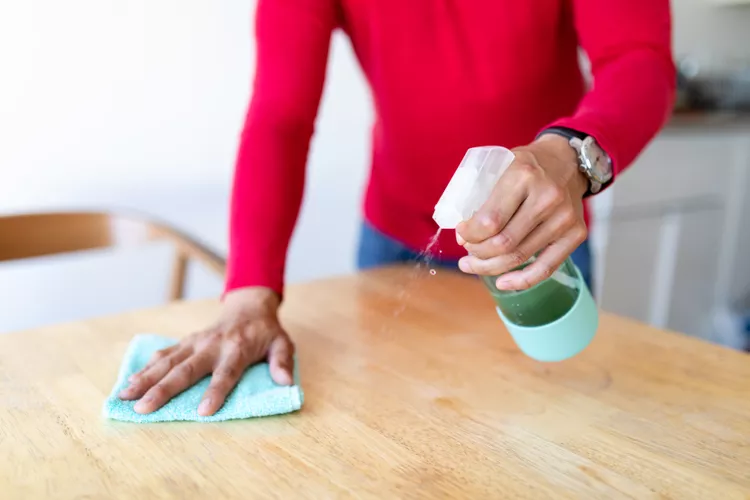
  • Microfiber or lint-free cloths are the best choice — they lift dust and oils without scratching the surface.
  • Avoid abrasive materials such as paper towels, rough sponges, or steel wool, which can cause tiny surface abrasions over time. Lee Glass & Glazing+1

Gentle Cleaning Solutions

Harsh chemicals can damage coatings or etch glass over time. Instead:

  • Use an ammonia-free glass cleaner or a mild vinegar and water solution for everyday cleaning.
  • Spray the cleaner on the cloth — not directly on the glass — to avoid excess liquid seeping under edges. duran.nl

Pro Tip: Clean in straight lines or gentle circles, then buff dry with a separate dry cloth to avoid streaks and buildup. midasglass.com


2. Prevent Scratches & Damage

Glass is deceptively strong, but it can still be scratched or chipped if not protected.

Use Protectors

  • Coasters, placemats, and table runners put a soft barrier between dishes and the glass surface — and help reduce scratches from movement. Golden Glass
  • Felt pads or rubber bumpers under decorative items or between the glass and base prevent micro-shifts that create scratches. APSense

Lift, Don’t Drag

Always lift objects instead of sliding them across the glass top. Dragging even smooth items can create hairline scratches over time. topdiningtables.com

Avoid Hot Items

Place hot dishes, pans, or pots on heat-resistant mats rather than directly on the glass. Sudden heat can cause thermal shock, leading to cracking or stress marks. Golden Glass


3. Dust and Wipe Daily

A weekly wipe-down helps keep dust from embedding in the surface.

  • Dust with a dry microfiber cloth to remove light debris.
  • For fingerprints and smudges, follow up with gentle glass cleaner.
  • In high-traffic areas, increase frequency. midasglass.com

Tip: Don’t forget the underside of the glass. Dust and smudges from below can make the surface look dull, even if the top is spotless. Glass Tops Direct


4. Don’t Ignore Chips or Small Damage

Small chips can become larger cracks if left untreated.

  • Inspect your glass regularly for tiny chips or stress marks.
  • If you see minor chips, consider a professional glass repair or resin fill before the damage spreads. APSense

Ignoring small wear can lead to bigger issues that eventually require replacement instead of repair.


5. Smart Daily Habits for Protection

Keep Heavy Items Off the Edges

Placing heavy objects near edges increases stress and the risk of cracking. Keep weight balanced and centered where possible. NY Glass

Use Table Covers for Extra Protection

For high-use tables or during heavy meals:

  • A tablecloth or protective pad reduces wear, especially in homes with kids or pets. topdiningtables.com

Avoid Sharp Objects on Glass

Anything with a hard, sharp bottom (like metal décor) should be protected with felt pads or lifted off the surface entirely. APSense


6. Deal With Stains and Residue Gently

For stubborn water marks, sticky residue, or fingerprints:

  • Mix equal parts distilled water and vinegar in a spray bottle for a gentle, effective cleaner.
  • Apply lightly and wipe with a soft cloth to avoid abrasion. midasglass.com

If residue persists, a soft-bristled brush can help lift it without scratching — just use it sparingly and with a gentle touch.


7. Avoid These Common Mistakes

Paper Towels

Paper towels might seem convenient but can leave lint or tiny scratches, dulling the glass over time. Microfiber or soft cotton cloths are safer. Better Homes & Gardens

Harsh Chemicals

Avoid cleaners with ammonia or bleach, which can degrade glass coatings, especially on tempered or specially finished tops. IRP CDN Website

Heavy Abrasion

Never use scouring pads, metal brushes, or cleaners intended for tile or cookware — they can permanently damage the surface. Lee Glass & Glazing


8. Long-Term Care Tips

Inspect Annualy

Look over your table at least once a year for signs of stress, cracks, or wear. Early detection means easier repair. IRP CDN Website

Protect Against Environment

In sunny or outdoor settings, UV exposure and heat fluctuations can affect clarity over time. Try shading or repositioning your table out of direct harsh sunlight during peak hours. Glass Tops Direct


9. Professional Cleaning & Restoration

For deeper scratches or cloudiness:

  • Consider a professional glass polish or restoration service — this can remove light scratches and restore shine without replacing the glass entirely.
  • For tempering or structural issues, talk to a glass fabricator before attempting DIY fixes.

10. Explore Quality Glass Table Tops

If you need a durable, custom-cut glass table top that’s easier to maintain and designed for long life, check out premium options here:
👉 Glass table top solutions
https://www.glassmirrorpro.com/glass-table-top/

From thickness options to edge finishes and weather-ready choices, a well-made top is the foundation of long-lasting beauty.


Summary: Glass Table Top Care Checklist

Daily / Weekly
✔ Dust with a microfiber cloth
✔ Wipe up spills immediately
✔ Use coasters and placemats
✔ Avoid abrasive cleaners

Monthly
✔ Deep clean with gentle glass cleaner
✔ Check for minor chips or scratches

Annually
✔ Inspect overall condition
✔ Consider professional polish if needed


Bottom Line:
With regular care, thoughtful protection, and the right cleaning techniques, your glass table top can stay clear, scratch-free, and durable for years. Proper habits — not harsh chemicals or rough tools — preserve its shine and beauty.
Tips

Custom Cut Glass Table Tops vs Ready‑Made: Which Is Better in the Long Run?

Dec 13, 2025

An in‑depth comparison to help you choose the right glass table top for durability, design, and long‑term satisfaction.

When choosing a glass table top, you’ll encounter two primary options: custom cut glass and ready‑made glass table tops. Each has its own set of advantages, drawbacks, and ideal use cases. Your decision affects fit, durability, aesthetic appeal, safety, and long‑term value — especially if you’re investing in quality furniture for everyday use.

This guide breaks down both options so you can decide with confidence.


What’s the Difference? Custom Cut vs Ready‑Made

Custom Cut Glass Table Tops

Custom cut glass is made to your exact dimensions. You provide measurements (length, width, shape, and thickness), and the glass is fabricated specifically for that specification. This is ideal when your table base isn’t a standard size or when you want a tailored look.

Ready‑Made Glass Table Tops

Ready‑made glass tops are manufactured in standard sizes and shapes (e.g., 120×60 cm rectangle, 100 cm round). They’re produced in bulk, which makes them typically cheaper and quicker to obtain, but they may not match your table base precisely.


1. Fit and Precision

Custom Glass Wins for Exact Fit

Custom cut glass ensures a perfect fit with your table base or bespoke furniture. Whether your table frame has non‑standard dimensions or unusual angles, a custom solution eliminates overhang issues, mismatched edges, or awkward gaps.

Measuring and ordering custom glass allows you to account for decorative features, cutouts, or additional supports — something ready‑made options rarely offer.

Ready‑Made Works for Standard Furniture

If your table frame matches common dimensions, a ready‑made top can work well and save money. However, it may leave small gaps or overhang awkwardly if the base is just slightly atypical.


2. Design Flexibility and Style

Custom Glass Offers Complete Control

With custom cut glass, you get:

  • Choice of shape: rectangle, round, oval, or even irregular.
  • Specific thickness to match usage and load expectations.
  • Edge finishes tailored to your décor.
  • Optional cut‑outs for fixtures or parasol holes.

Custom glass lets you integrate aesthetic and functional features tailored to your home design and daily lifestyle.

Ready‑Made Is Limited to Standard Looks

Ready‑made glass tops come in conventional shapes and sizes. While they can look stylish, your design options are limited compared to bespoke solutions.


3. Durability and Long‑Term Use

Custom Glass Can Be More Durable

Most custom glass table tops are made from toughened safety glass, which is heat‑treated to be stronger and safer than standard glass. Toughened glass can handle everyday impacts, temperature changes, and heavier use with less risk of breakage. Bespoke Glass Products

You can also choose low‑iron glass (for crystal clarity) or tinted options for specific lighting and design impacts. Low‑iron toughened glass is ideal if visual precision and clarity matter in high‑end interiors. UK Glass Centre

Ready‑Made Glass Can Be Sufficient for Everyday Use

Ready‑made glass tops are often toughened as well, but because they’re mass‑produced, thickness and edge finishes may be more generic. For lighter use (e.g., occasional dining tables or coffee tables), they can be perfectly adequate.


4. Safety Considerations

Safety Is Integral for Both Options

When ordering either type of table top, ensure the glass is toughened (tempered) because:

  • It’s stronger than standard glass.
  • If it breaks, it shatters into small granular pieces rather than sharp shards.
  • It complies with safety standards vital in family homes, offices, or commercial environments. Bespoke Glass Products

Custom glass suppliers will often mark toughened glass with a stamp or certification to indicate compliance with safety regulations.


5. Cost Comparison

FeatureCustom Cut GlassReady‑Made Glass
Upfront CostHigher (tailored fabrication)Lower (mass manufactured)
Lead TimeLonger (made to order)Immediate or quick shipping
Fit AccuracyPerfect matchStandard fit
Design OptionsUnlimitedLimited shapes/sizes
Long‑Term ValueHigherMedium

Choosing custom glass usually requires higher initial investment, but its durability and perfect fit often mean better long‑term value. Ready‑made glass is budget‑friendly initially but may require adjustments or replacement sooner if it doesn’t fit well or match your usage needs.


6. Ease of Installation

Custom Glass Requires Precise Measurements

Before fabrication, you or your installer must measure accurately — including potential overhang, corner radii, or base recesses. Many custom glass services offer consultation or measurement advice to get this perfect.

If the base design is highly unconventional, some suppliers may even ask for a paper or cardboard template to ensure accurate cutting.

Ready‑Made Glass Is Quick to Use

Since ready‑made units come in standard sizes, installation is often simpler. However, if the fit isn’t perfect, you might need adjustments or additional supports such as non‑slip pads.


7. Aesthetic and Practical Considerations

Match Your Decor and Functionality

A custom cut glass top lets you tailor not just size but finish (clear, low‑iron, tinted, frosted) to suit your décor. This is especially important if your table is a centrepiece or part of a high‑design interior.

Tinted or low‑iron glass can change the mood and perceived quality of the space — something less easily achieved with ready‑made standard options. tableglassonline.co.uk

Ready‑Made for Standard Table Styles

If your table design is mainstream or you simply want a practical glass surface without high design impact, ready‑made options are a valid, cost‑effective choice.


8. Maintenance and Longevity

Both custom and ready‑made glass table tops are easy to clean and maintain. A microfiber cloth and mild glass cleaner keep surfaces clear and smudge‑free. However, since custom glass can be matched exactly to your base, there are fewer places for dirt or debris to collect, and stability is improved.

Repairability and replacement parts are easier to manage with custom glass because you have exact specifications on file.


Explore Custom Glass Table Tops

If you’re inclined toward a perfect fit, tailored design, and long‑term durability, take a look at quality glass table tops with versatile options for shape, thickness, and finish here custom glass table tops and finishes – GlassMirrorPro

Their range includes durable toughened glass options and bespoke sizes to suit both modern and traditional interiors.


Which Should You Choose? Expert Summary

Choose Custom Cut Glass If:

  • Your table base has non‑standard dimensions.
  • You want specific edge finishes or unique shapes.
  • Style, clarity, and exact visual fit matter.
  • You anticipate heavy or frequent use.
  • You want long‑lasting results that align with a tailored design.

Choose Ready‑Made Glass If:

  • Your table base fits standard dimensions.
  • You’re budget conscious and need a quicker solution.
  • You want a simple glass surface mainly for function.
  • The décor impact is secondary to practicality.

Final Recommendation

If you prioritise longevity, tailored design, and perfect fit, custom cut glass is generally the better long‑run investment. If you need a quick, budget‑friendly solution for a standard table, ready‑made glass can still be a practical choice.

Both options serve important roles — but understanding your use case, aesthetic goals, and lifestyle needs will lead you to the choice that brings lasting satisfaction.

Tips

Outdoor Glass Table Tops: What Type of Glass Actually Works Outside?

Dec 13, 2025

A complete, user‑friendly guide to choosing the right glass for outdoor tables.

Outdoor glass table tops are a popular choice for patios, decks, balconies, and gardens thanks to their modern look, easy maintenance, and ability to brighten up outdoor living spaces. However, not all glass is suitable for outdoor use — especially when exposed to weather, sunlight, temperature changes, and heavy use.

This guide explains the best types of glass for outdoor table tops, what to avoid, and how to ensure longevity and safety.


Why Outdoor Glass Needs Special Consideration

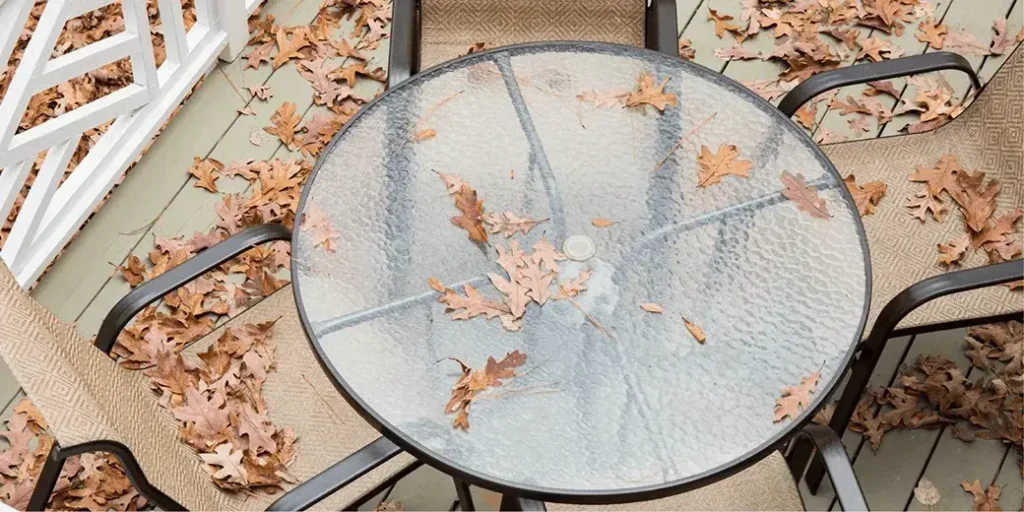
Outdoor environments expose furniture to temperature fluctuations, rain, UV radiation, wind, and physical impacts. Regular indoor glass (annealed glass) isn’t designed to withstand these stressors — it can crack or shatter under pressure or thermal shock. For outdoor table tops, you need glass that is strong, safe, and weather‑resistant. Lazy Susan


1. Tempered Glass — The Most Common Outdoor Option

What It Is

Tempered glass (also called toughened glass) is made by heating regular glass to extremely high temperatures and then rapidly cooling it. This process makes the glass 4–5 times stronger than standard glass. whatpatio.com

Why It Works Well Outdoors

  • Impact‑Resistant: Better able to handle bumps, knocks, and everyday outdoor use.
  • Safety‑Oriented: If it breaks, it shatters into many small, blunt pieces instead of large sharp shards, reducing the risk of injury.
  • Weather Tolerance: Handles heat, cold, and moisture without warping or cracking. whatpatio.com

Best For

Dining tables, coffee tables, patio sets, garden furniture, and balcony tables.

Note: Tempered glass is generally the most recommended type for outdoor table tops due to its combination of strength, safety, and practicality. Lazy Susan


2. Laminated Glass — Extra Safety and Security

What It Is

Laminated glass consists of two (or more) sheets of glass bonded together with a plastic interlayer (commonly polyvinyl butyral, PVB). If the glass breaks, this interlayer keeps the pieces together rather than letting them fall apart. Whichoutdoor

Why You Might Choose It

  • Enhanced Safety: Keeps broken pieces together, reducing hazards if the glass is hit hard.
  • Noise Reduction: The interlayer also helps reduce sound transmission.
  • UV Protection Potential: Some laminates help reduce UV transmission. Whichoutdoor

Considerations

  • Usually more expensive than tempered glass.
  • Offers greater peace of mind in high‑traffic or family environments.

This makes laminated glass a strong choice for outdoor tables in areas where safety and durability are priorities.


3. Low‑Iron Glass — Ultra‑Clear Outdoor Look

What It Is

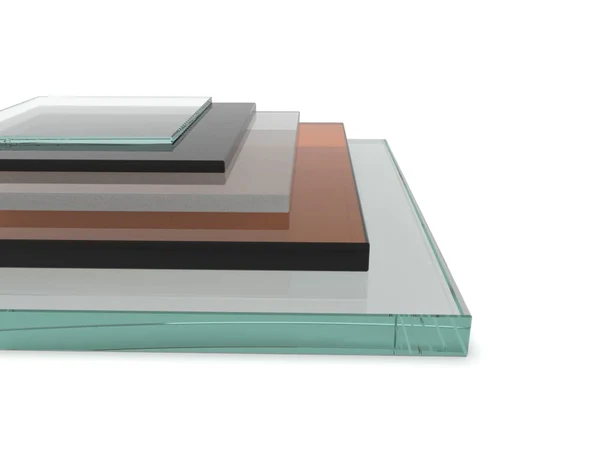
Low‑iron glass has reduced iron content, eliminating the typical greenish tint seen in standard glass. The result is crystal‑clear transparency that enhances visual clarity and colour accuracy. tableglassonline.co.uk

Why It Works So Well Outside

  • Improved Clarity: Ideal for showcasing a beautiful outdoor setting.
  • Minimal Tint: Great for contemporary or minimalist designs.

Best For

Outdoor dining areas, terrace lounge tables, or design‑focused outdoor living spaces.

Tip: Pair low‑iron glass with tempered processing for strength and clarity combined. tableglassonline.co.uk


4. Tinted or UV‑Coated Glass — Comfortable and Stylish Outdoor Surfaces

Tinted Glass

Tinted glass (e.g., grey or bronze) can reduce glare and soften sunlight, making outdoor dining more comfortable. It also adds a visual style element and can reduce heat absorption on sunny days. The Glass Warehouse

UV‑Coated Glass

UV‑coated or treated glass is designed to reduce fading and degradation from long‑term sun exposure. This helps maintain the glass colour and clarity over time in sunny climates.

Best For

Sunny patios, poolside lounges, or balcony breakfast tables.


Types to Avoid for Outdoor Table Tops

Annealed (Standard) Glass

  • Breaks into large, sharp shards
  • Not designed to withstand impacts or weather
  • Not recommended for outdoor table tops unless it is fully supported and not used as the primary surface. Lazy Susan

Acrylic or Polycarbonate Alternatives

These are plastics rather than glass and can be used for outdoor tables, but they are prone to scratching and discolouration over time. They look different from real glass and don’t offer the same premium feel. Patiodesignplan


Glass Thickness and Outdoor Durability

Outdoor table tops usually benefit from thicker glass because of weather exposure and load requirements. General guidelines include:

  • 6–8 mm: Good for smaller, light‑use tables
  • 10–12 mm: Recommended for medium dining tables
  • 12 mm+ or layered laminated glass: Best for large tables or heavy usage

Thicker glass is not only stronger but also less likely to flex or crack under thermal stress. Be sure your glass supplier knows this is for outdoor use so they can advise on appropriate thickness. Bespoke Glass Products


Weather‑Related Considerations for Outdoor Glass

Even the best glass can suffer from extreme weather if not cared for properly:

Sun and Heat

  • UV‑treated or coated glass helps prevent yellowing and preserves appearance.
  • Consider a shade or umbrella to reduce direct sun exposure on the surface.

Rain and Moisture

Glass itself doesn’t absorb water, but metal frames may rust and wood may warp — ensure the entire table structure is weather‑resistant.

Cold and Frost

Thicker, tempered glass tolerates temperature swings better. If possible, cover or store the glass during winter months or storms to prolong its life and prevent accidents.

Wind and Debris

Strong winds can topple light furniture. Always anchor or weigh down outdoor tables with heavy bases or secure covers.


Maintenance Tips to Prolong Outdoor Glass Life

  • Regular cleaning: Use mild soap and water or specially formulated glass cleaner.
  • Avoid abrasive tools: Avoid scouring pads that can scratch the surface.
  • Inspect regularly: Check for early signs of chips or cracks.
  • Cover when not in use: Protective covers help shield from weather damage.

Glass maintenance remains straightforward compared to porous surfaces like wood or stone. Lazy Susan


Explore Outdoor‑Ready Glass Table Tops

If you’re ready to choose premium glass for outdoor use — whether tempered, low‑iron, or tinted — check out a range of weather‑resistant glass table top options here.

Find glass cut to size with finishes and thicknesses suited to your outdoor lifestyle.


Outdoor Glass Table Top Summary

Glass TypeBest Outdoor UseKey Benefits
Tempered GlassStandard outdoor tablesStrong, safe, weather‑resistant
Laminated GlassHigh‑safety, family spacesExtra impact protection
Low‑Iron GlassPremium clarityUltra‑clear, modern aesthetics
Tinted/UV‑Coated GlassSunny patiosGlare/heat reduction, stylish finish
Avoid: Standard annealed glassGeneral outdoor useLess safe, more fragile

To get the best outdoor table top, choose glass engineered for outdoor conditions — especially tempered or laminated safety glass — and pair it with a weather‑resistant base and cover for year‑round durability. whatpatio.com

Tips

How Much Weight Can a Glass Table Top Hold? (Real Load Limits Explained)

Dec 13, 2025

Glass table tops are elegant, modern, and versatile, but one of the most common questions homeowners and office designers ask is: “How much weight can a glass table top safely support?” Understanding load limits is crucial for safety, durability, and functionality, especially in homes with children, pets, or heavy objects.

This guide explains glass types, thickness, support structures, and practical tips to ensure your table is both stylish and safe.


1. Factors That Affect Glass Weight Capacity

Several factors determine how much weight a glass table top can hold:

Type of Glass

  • Tempered Glass: Heat-treated and stronger than standard glass. Can hold 4–5 times more weight than regular annealed glass.
  • Laminated Glass: Multiple layers of glass with interlayers provide extra strength and hold together even if cracked.
  • Annealed Glass: Standard glass; breaks into sharp shards under impact, not ideal for heavy loads.

Glass Thickness

  • 6–8 mm: Suitable for small tables or light usage.
  • 10–12 mm: Recommended for medium to large tables, heavy use, or family homes.
  • 15 mm or more: Only for very large or industrial applications.

Pro Tip: Thicker glass doesn’t always mean exponentially stronger — support structure plays a critical role.


Table Size and Shape

  • Rectangular or square tables: Larger spans increase bending stress in the center.
  • Round tables: Circular shapes distribute weight more evenly.
  • Oval tables: Weight distribution depends on base and overhang.

Edge Finishing

Edge finish affects strength:

  • Flat Polish: Simple, minimal strength impact.
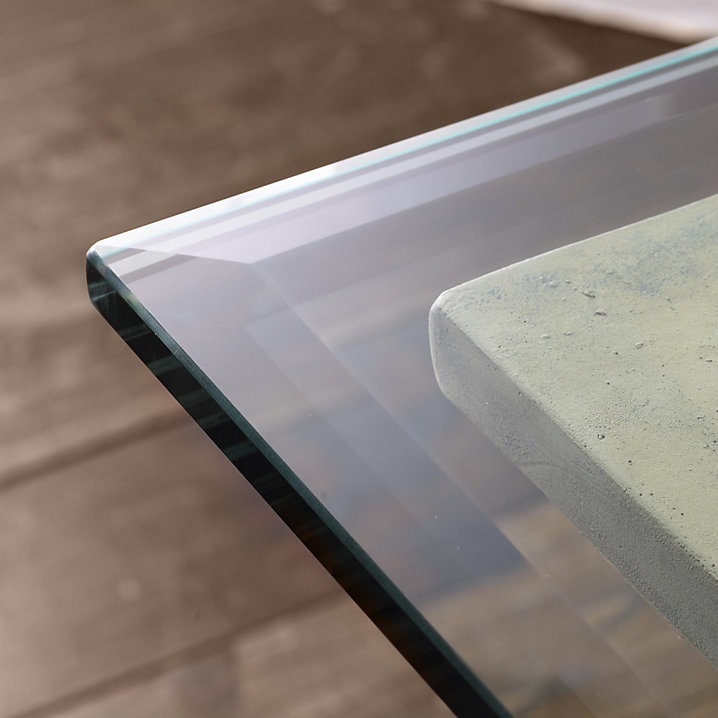
  • Beveled: Slightly reduces thickness at the edge, minor strength reduction.
  • Pencil Edge: Rounded edges slightly reduce load tolerance, but improves safety.

2. Real Load Limits by Glass Type and Thickness

Here are general guidelines for tempered glass table tops (commonly used for homes):

Glass ThicknessTable SpanApprox. Weight Limit
6 mm (1/4″)80 cm~20–25 kg
8 mm (5/16″)120 cm~30–40 kg
10 mm (3/8″)150 cm~50–60 kg
12 mm (1/2″)180 cm~70–80 kg

Note: These are guidelines. The actual weight capacity depends on the base support, distribution of weight, and table design.

Important: Never place all weight in the center of a large glass table — always distribute it evenly.


3. How the Table Base Affects Weight Capacity

The strength of a glass table top is highly dependent on the base design:

  • Four-Legged Tables: Weight supported primarily at the corners. Center may sag if span is large.
  • Pedestal Tables: Central support must be strong; wide base recommended to prevent tipping.
  • Trestle or X-Bases: Evenly distributes weight along the length of the glass.
  • Custom Designs: Must consider glass thickness, base contact points, and overhang carefully.

Pro Tip: Adhesive pads or bumpers can improve contact stability and slightly increase safe load capacity.


4. Safety Considerations for Glass Tables

Even tempered glass can fail if overloaded or improperly handled. Follow these precautions:

  1. Avoid concentrated loads: Heavy objects should be spread out, not placed in one spot.
  2. Do not sit or stand on the table: Exceeding the intended load can lead to cracks or total failure.
  3. Use coasters or placemats: Protect against scratches that weaken the glass.
  4. Check edges and corners: Minor chips or cracks reduce weight tolerance.
  5. Keep away from extreme impacts: Dropping heavy items can shatter even tempered glass.

Reference: How much weight can glass coffe table hold


5. Glass vs. Other Table Materials

MaterialTypical Load CapacityProsCons
Glass (tempered 10 mm)50–60 kgStylish, transparent, easy to cleanBreakable under heavy impact
Wood100+ kgSturdy, warm aestheticCan warp or scratch
Metal150+ kgVery strong, industrialHeavy, cold appearance

Insight: Glass is best for light to medium use tables in homes, offices, and dining areas, while wood or metal is preferred for extremely heavy loads.


6. How to Maximize Glass Table Strength

  • Choose proper thickness: Thicker glass for larger spans.
  • Evenly distribute weight: Avoid placing very heavy objects in the middle.
  • Check base stability: A strong, wide base improves load capacity.
  • Edge protection: Rounded or beveled edges reduce the chance of chipping.
  • Regular inspection: Look for small cracks or chips that could compromise strength.

7. Practical Examples

  • Coffee Table (8 mm tempered glass, 120×60 cm): Supports books, décor, or 1–2 small appliances (~30–35 kg).
  • Dining Table (12 mm tempered glass, 180×90 cm): Can safely hold plates, dishes, and a centerpiece (~70–80 kg distributed).
  • Side Table (6 mm glass, 60×60 cm): Ideal for a lamp or decorative items (~20 kg).

8. When to Consult a Professional

If you are ordering a custom glass top for a large table, unusual shape, or high-load usage:

  • Share exact dimensions and base type with your glass supplier.
  • Ask about reinforced or laminated glass if extreme loads are expected.
  • Consider edge finishing and support pads for additional safety.

Reference: Table Glass Online – Glass Table Tops Guide


9. Explore Custom Glass Table Tops

If you’re planning a new table or replacing an old top, a custom glass table top can be designed to match your base and load requirements:
👉 Shop Custom Glass Table Tops – GlassMirrorPro

You can select thickness, edge finish, and shape based on usage and style.


10. Key Takeaways

  1. Glass type matters: Tempered or laminated glass is stronger and safer.
  2. Thickness determines capacity: 10–12 mm is ideal for medium to large tables.
  3. Base design is critical: Supports distribute weight and prevent sagging.
  4. Safety first: Avoid concentrated loads, sitting, or standing on glass.
  5. Regular inspection: Chips or cracks reduce safe load capacity.

By following these guidelines, your glass table top will look elegant, function safely, and last longer, whether in a home, office, or commercial space.

Tips

Glass Table Top Edge Finishes Explained: Flat Polish, Beveled, Pencil Edge

Dec 13, 2025

The edges of a glass table top may seem like a minor detail, but they have a significant impact on safety, aesthetics, and functionality. Choosing the right edge finish enhances the table’s style, protects users from sharp corners, and improves the overall durability of your glass surface.

This guide explains the most popular glass table edge finishesFlat Polish, Beveled, and Pencil Edge — to help you select the perfect style for your table.


Why Edge Finishes Matter

Glass edges are inherently vulnerable. An unfinished or sharp edge can chip, crack, or cause injuries. Properly finished edges:

  • Protect against cuts
  • Enhance visual appeal
  • Improve durability
  • Complement furniture and room style

Even small tables like coffee tables or side tables benefit from polished edges, while larger dining tables need both safety and elegance.


1. Flat Polish Edge — Simple and Sleek

What Is Flat Polish?

Flat polish edges are straight, smooth, and parallel to the glass surface. The edges are ground and polished so that they are completely smooth to the touch, offering a minimalist, modern look.

Advantages

  • Safety: Smooth edges reduce the risk of cuts.
  • Minimalist design: Ideal for modern, Scandinavian, or industrial interiors.
  • Easy maintenance: Flat edges accumulate less dust and are simple to clean.

Considerations

  • Flat edges may show minor chipping more clearly if struck by hard objects.
  • Less decorative compared to beveled edges.

Best For

Contemporary dining tables, desks, and minimalist coffee tables.

Professional Tip: Pair flat polish edges with clear glass to highlight simplicity and modern design.

Authority Reference: Fab Glass & Mirror – Glass Edge Finishes


2. Beveled Edge — Elegant and Decorative

What Is a Beveled Edge?

Beveled edges slope at an angle, typically around 45 degrees, creating a frame-like effect around the glass. This style adds dimension and elegance to the table top, reflecting light beautifully.

Advantages

  • Stylish appearance: Adds a luxurious and refined look.
  • Light reflection: Enhances the visual depth of the table, giving a premium feel.
  • Durability: Sloped edges reduce the chance of sharp impact injuries compared to unpolished glass.

Considerations

  • Slightly more expensive due to additional processing.
  • Beveled edges may show smudges or fingerprints more than flat polish.

Best For

High-end dining tables, conference tables, or statement coffee tables.

Pro Tip: Beveled edges work best with thicker glass (8–12 mm) to maintain a balanced look and prevent fragility.

Authority Reference: Table Glass Online – Glass Table Tops Guide


3. Pencil Edge — Rounded for Safety

What Is a Pencil Edge?

Pencil edges are fully rounded along the glass perimeter, resembling the rounded end of a pencil. This edge finish prioritizes safety, making it ideal for family homes and spaces with children or pets.

Advantages

  • Maximum safety: Rounded edges prevent cuts and injuries.
  • Smooth touch: Feels soft and comfortable, suitable for casual settings.
  • Durable: Rounded edges are less prone to chipping compared to sharp flat edges.

Considerations

  • Less decorative than beveled edges — emphasizes functionality over style.
  • Works best with glass 6–12 mm thick to maintain strength and rounded integrity.

Best For

Family homes, coffee tables, side tables, and office desks.

Professional Tip: Combine pencil edges with tempered or laminated glass for additional strength and safety.


Choosing the Right Edge Finish for Your Lifestyle

When selecting an edge finish, consider aesthetics, safety, and maintenance:

Edge TypeStyleSafetyMaintenanceBest For
Flat PolishModern, MinimalistMediumEasyDesks, Coffee Tables, Minimalist Interiors
BeveledElegant, LuxuriousMedium-HighModerateDining Tables, Statement Pieces, Conference Tables
Pencil EdgeRounded, CasualHighEasyFamily Homes, Kids & Pets, Coffee Tables

Additional Tips:

  • Pair beveled edges with decorative bases to maximize elegance.
  • Use flat polish for minimalist glass paired with metal or wood bases.
  • Pencil edges are ideal when safety and practicality are a priority.

Maintenance Tips for Edge Finishes

Proper care ensures that edge finishes last longer:

  • Clean gently: Use a microfiber cloth and mild glass cleaner.
  • Avoid sharp impacts: Even polished or rounded edges can chip if struck with hard objects.
  • Inspect edges regularly: Check for small chips or cracks to prevent bigger damage.

Edge finishes like beveled and pencil edges are naturally more forgiving against minor wear, while flat polish edges require careful handling.


Explore Professional Glass Table Top Options

For high-quality glass table tops with flat polish, beveled, or pencil edges, explore options here:
👉 Shop Custom Glass Table Tops – GlassMirrorPro

They offer a range of shapes, finishes, and thicknesses to match your lifestyle and décor.


Final Thoughts

Choosing the right glass table edge finish combines style, safety, and function:

  • Flat Polish: Sleek, minimalist, modern
  • Beveled: Elegant, reflective, luxurious
  • Pencil Edge: Safe, rounded, family-friendly

By understanding these finishes and pairing them with the right thickness, glass type, and base, you can enhance both the aesthetic appeal and practicality of your table.

Design Tip: Consider tempered glass for any edge finish for maximum durability and safety, especially in homes with children or high traffic areas.

Tips

Clear, Tinted, or Frosted Glass Table Tops: Which One Fits Your Lifestyle?

Dec 13, 2025

An in‑depth, user‑friendly guide to choosing the right glass finish for your table.

Glass table tops are a timeless addition to homes, offices, and commercial spaces. They add brightness, a sense of openness, and a modern aesthetic. But when it comes to choosing clear, tinted, or frosted glass, the decision goes beyond looks — each type affects light, privacy, maintenance, and how the space feels.

This guide breaks down the differences, pros and cons, and lifestyle fit for each type so you can pick the one that suits your needs best.


Why Glass Finish Matters

The finish on your glass table top isn’t just cosmetic — it alters:

  • Light transmission
  • Visual privacy
  • Maintenance requirements
  • Overall ambience

Your choice should align with how you use the table, your décor, and your daily lifestyle.

Before we explore each type, here’s a quick comparison:

FeatureClear GlassTinted GlassFrosted Glass
Light TransmissionHighMediumMedium‑Low
Visual PrivacyLowModerateHigh
Maintenance (Shows Smudges)HighMediumLow
Modern LookYesStylishElegant

1. Clear Glass Table Tops — Bright, Timeless, and Versatile

What Is Clear Glass?

Clear glass is the most transparent option. It lets in the maximum amount of light and shows the table base or legs clearly. This makes it ideal for spaces where openness and visibility are priorities.

Why Choose Clear Glass?

  • Maximizes light: It lets natural and artificial light pass through, brightening the room.
  • Expands visual space: Great for small rooms or compact dining areas.
  • Versatile with décor: Works with modern, minimalist, and classic interiors.

Pros

  • Bright, open appearance
  • Complements almost any style
  • Shows off table base design

Cons

  • Shows fingerprints and dust easily
  • Scratches and smudges are more visible
  • May feel too stark in some settings

Best For

Living rooms, offices, dining areas where you want transparency and brightness.

Expert Insight

Clear glass is among the most popular choices for dining and coffee tables due to its ability to visually “open up” spaces and showcase structural design elements beneath the surface. (Source: Table Glass Online – Glass Table Tops Guide)
https://www.tableglassonline.co.uk/glass-table-tops-a-complete-guide/


2. Tinted Glass Table Tops — Stylish with a Softer Look

What Is Tinted Glass?

Tinted glass has a slight color added during production — common hues include gray, bronze, and smoke. It reduces glare and can soften the brightness of the room while adding a subtle color effect.

Why Choose Tinted Glass?

  • Reduces light glare and reflection
  • Adds a modern and stylish touch
  • Can complement darker or warmer décor palettes

Pros

  • Hides minor smudges and fingerprints better than clear glass
  • Offers a visual filter that can tone down bright rooms
  • Adds personality and style

Cons

  • Slightly reduces light transmission
  • Color may affect how other elements (like diningware or décor) appear under it

Best For

Contemporary dining rooms, executive desks, lounge areas, and spaces with bold décor.

Design Tip

Pair tinted glass with matte or textured bases for contrast. It works particularly well with wood or black metal bases.


3. Frosted Glass Table Tops — Elegant and Practical

What Is Frosted Glass?

Frosted glass is treated so the surface looks milky or etched, diffusing light and gently blurring what’s underneath. This creates a soft, elegant look with an element of privacy.

Why Choose Frosted Glass?

  • Hides smudges and fingerprints better than both clear and tinted glass
  • Softens light and reduces glare
  • Offers a refined, understated appearance

Pros

  • Excellent at concealing minor marks and scratches
  • Elegant and understated design
  • Reduces visual clutter under the table

Cons

  • Reduced transparency if you want to showcase the table base
  • Light transmission is lower than clear or tinted glass

Best For

Home offices, conference tables, breakfast nooks, and contemporary interiors focusing on minimalism.

Professional Note

Frosted glass blends well with minimalist, Scandinavian, and modern interior themes where soft light and privacy are valued. (Source: Living Etc – Dining Table Shapes)
https://www.livingetc.com/advice/dining-table-shape


Lifestyle Considerations: Which Glass Fits You Best?

Choosing between clear, tinted, and frosted glass depends on how you live and use your space.

If You Have Kids or Pets

  • Avoid finishes that show every smudge — clear glass shows marks most easily.
  • Frosted glass hides fingerprints and pet smudges better.
  • Tinted glass is also a good middle ground if you want style plus practicality.

If You Host Often

  • Clear glass keeps the space bright and inviting.
  • For cocktail parties or dinner gatherings, tinted glass adds a modern vibe.

If You Work From Home

  • Frosted glass can reduce distractions by partially obscuring items on the table surface.
  • Tinted glass adds focus by toning down brightness.

If You Love Minimalism

  • Frosted glass offers a clean, soft look without visual clutter.
  • Clear glass emphasizes simplicity with maximum light.

Maintenance and Care Tips for All Glass Types

No matter which finish you choose, proper care keeps your glass top looking great:

Daily Care

  • Use a microfiber cloth with a gentle glass cleaner.
  • Wipe spills immediately to avoid water spots or residue.

Preventing Scratches

  • Use placemats, coasters, and table runners.
  • Avoid dragging heavy or sharp objects across the glass.

Edge Protection

  • Smooth, polished, or beveled edges help reduce the risk of chipping and are safer in homes with children.

Professional Cleaning

  • For stubborn stains or hard water buildup, professional glass cleaning services can restore clarity.

Which Glass Should You Choose? (Summary)

Ideal ForRecommended Glass
Maximum brightness & transparencyClear Glass
Stylish look + softer lightTinted Glass
Hidden smudges + eleganceFrosted Glass
Families with kids/petsFrosted or Tinted

Where to Explore Quality Glass Table Tops

If you’re ready to choose a high‑quality glass surface for your table — whether you prefer clear, tinted, or frosted finishes — you can browse a wide range of options here:
👉 Glass table top selections and specifications
https://www.glassmirrorpro.com/glass-table-top/

This collection provides durable and stylish choices tailored to different room types and usage needs.


Final Thoughts

Clear, tinted, and frosted glass table tops each have unique benefits:

  • Clear glass maximizes light and openness
  • Tinted glass brings style and reduced glare
  • Frosted glass offers privacy and practicality

Your ideal choice depends on your lifestyle, décor, and daily needs. Whether it’s a dining table, work surface, or accent piece, the right glass finish enhances both form and function — making your space more enjoyable and visually appealing.

Tips

Is a Glass Table Top Safe for Homes With Kids or Pets?

Dec 13, 2025

Glass table tops are a stylish and modern choice for many homes due to their clean look and easy maintenance. But when you have young children or pets, safety becomes a top concern. Are glass surfaces practical in family environments? What risks are involved, and how can you minimize them? This guide explores all aspects of glass table safety, helping you make an informed decision that balances beauty with peace of mind.


Understanding the Risks of Glass Table Tops

Glass in its basic form is rigid and smooth, which makes it attractive for dining tables, coffee tables, and side tables. However, standard (annealed) glass breaks into large, sharp shards when it fails, which can cause serious injuries. In fact, safety investigations have shown that glass furniture can be a hidden hazard for young children, leading to severe cuts and lacerations if broken or impacted with force. ScienceDaily

A key study pointed out that household accidents involving glass tables are often avoidable when safer materials — such as tempered glass — are used. ScienceDaily

So the first safety question is: What type of glass are you considering?


Tempered Glass: A Safer Standard

For homes with kids or pets, tempered glass is the recommended choice over standard glass. This type of glass is processed under heat and then rapidly cooled, which creates surface compression and makes the glass several times stronger than normal. Tablesroom

Benefits of tempered glass include:

  • Higher impact resistance: It handles everyday bumps better than regular glass. Tablesroom
  • Safety upon breakage: If it does break, tempered glass tends to crumble into small, rounded pieces rather than large, jagged shards. Tablesroom
  • Heat resistance: Tempered glass tolerates hot plates and warm drinks better. Tablesroom

Because of these properties, tempered glass is considered suitable for family homes, including households with pets that might jump onto furniture or knock into edges. Tablesroom

For example, a standard tempered dining top is widely recommended for dining and living spaces due to its combined strength and safety characteristics. Tablesroom


Edge Treatment Matters, Too

While the glass material itself plays a big role, the edge design is also a safety factor:

  • Polished or bevelled edges reduce sharp contact points.
  • Rounded “pencil edges” soften corners so children and pets are less likely to get cut if they bump into the table. Ubuy Pakistan

Choosing glass with quality edge treatment enhances safety without sacrificing style.


Placement and Usage Best Practices

Even with tempered glass, careful placement and everyday habits can make your home safer:

1. Position Away from High‑Traffic Play Areas

Avoid placing glass for table tops where kids or pets run, jump, and play. A central hallway or living play zone might not be ideal.

2. Stabilize the Table

Ensure the base of the table is sturdy and well‑balanced. An unstable base increases the risk of tipping, which is a common cause of glass breakage. homeworld.com

3. Use Surface Protection

Placemats, coasters, and runners help prevent scratches — and scratches can weaken glass over time. fira.co.uk

4. Teach and Supervise

Make sure kids know not to sit, climb, or jump on the table. Even tempered glass can break under sufficient force or misuse. ScienceDaily

5. Add Soft Corner Guards

Silicone or rubber corner protectors can minimize injury if someone bumps into the table. These are inexpensive and easy to fit. Leather Gallery


Pets and Glass: What to Watch For

Pets, especially curious cats and active dogs, can accidentally cause issues with glass furniture:

  • Claws and toys can leave small chips or surface abrasion over time. zuohuifurniture.com
  • Jumping onto tables might apply uneven pressure, especially at edges. casual-dine.com
  • Sudden movements or collisions can lead to breakage if the glass isn’t thick or secured properly. casual-dine.com

Maintaining a rule — such as “no jumping on furniture” — combined with robust base support and thick tempered glass (10–12 mm where possible) can help mitigate these risks. casual-dine.com


How to Maintain a Safer Glass Table Top

Good maintenance habits not only keep your glass table looking great but also extend its life and safety:

Regular Cleaning

Glass collects fingerprints and smudges quickly, so cleaning with a soft microfiber cloth and mild glass cleaner keeps the surface smooth and reduces visibility of small scratches. ccr-mag.com

Avoid Extreme Heat Contact

Never place very hot pots or dishes directly on glass without protection, as abrupt temperature changes can cause cracks. zuohuifurniture.com

Check for Chips or Cracks

Tiny chips can grow over time and weaken the glass. Replace or repair any compromised panels immediately. Leather Gallery


Compare Glass With Other Materials

Some families choose alternatives like wood, metal, or composite surfaces to avoid any glass‑related risks. Each material has pros and cons — wood might be warmer but can stain and dent, while metal may be safe but visually heavy. What makes glass unique is its combination of transparency, modern aesthetic, and ease of cleaning, if safety precautions are observed. ccr-mag.com


Explore Family‑Friendly Table Top Options

To explore family‑safe glass table surfaces including tempered and rounded‑edge designs suitable for homes with children or pets, check out quality choices here:
👉 Explore safe and stylish glass table tops at https://www.glassmirrorpro.com/glass-table-top/

This collection includes durable options with thoughtful finishes that balance safety with elegance.


Final Takeaway

So, is a glass table top safe for homes with kids or pets?
Yes — when you choose the right type of glass, prepare it correctly, and use best practices.

Key safety factors:

  • Always use tempered glass rather than standard glass. Tablesroom
  • Choose polished, rounded, or bevelled edges to minimize sharp contact points. Ubuy Pakistan
  • Place glass tables thoughtfully and teach children not to play on or around them.
  • Regular maintenance and prompt attention to chips or cracks make a big difference.

With these precautions in place, glass table tops can be both beautiful and family‑friendly, adding modern style without compromising safety.

DIY Guide

Replacing a Broken Glass Table Top: Step-by-Step Buyer’s Guide

Dec 13, 2025

A broken glass table top can be frustrating, but replacing it doesn’t have to be complicated. With careful planning, correct measurements, and the right materials, you can restore your table to both safety and style. This guide walks you through the step-by-step process, from choosing the right replacement to installation, and provides tips to avoid common pitfalls.


Step 1: Assess the Damage

Before you start shopping for a replacement, carefully examine your broken table top:

  • Determine if the damage is partial or complete.
  • Identify the type of glass used (tempered, laminated, or standard).
  • Check for any damage to the table base or support that might affect stability.

Pro Tip: If your table used tempered glass, it’s important to replace it with tempered glass again, as it is stronger and safer than standard glass.


Step 2: Measure Your Table Correctly

Accurate measurements are critical to ensure the replacement fits perfectly:

  • Measure the length and width (or diameter for round tables).
  • Measure the thickness of the existing glass. Most table tops are between 6mm and 12mm thick.
  • If your table has curved or beveled edges, note the exact shape for the replacement.

Pro Tip: Take your measurements to a professional glass supplier to avoid errors.


Step 3: Choose the Right Type of Glass

Selecting the correct glass type ensures durability and safety:

  • Tempered Glass: Breaks into small, less dangerous pieces. Highly recommended for tables.
  • Laminated Glass: Stronger, with an interlayer that holds pieces together if broken.
  • Clear or Frosted Finish: Choose based on your décor preference.

Authority Reference: Table Glass Online – Glass Table Tops Guide


Step 4: Select a Reliable Supplier

Purchase your replacement from a reputable supplier. Consider:

  • Quality and certification of the glass.
  • Ability to cut to exact dimensions.
  • Options for custom shapes if needed.

Pro Tip: Many suppliers also offer edge finishing (polished, beveled, or rounded) which increases safety and aesthetics.

Authority Reference: Fab Glass & Mirror – Glass Table Top Types


Step 5: Prepare for Installation

Before installing your new glass top:

  • Clear the table base and surrounding area.
  • Wear protective gloves to handle the glass safely.
  • Lay the new glass on a soft, non-abrasive surface if adjusting before placement.

Step 6: Install the Replacement Glass

Carefully follow these steps:

  1. Lift the glass carefully using suction cups or with two people.
  2. Align the glass with the table base.
  3. Check stability before letting go.
  4. Secure with adhesive pads or bumpers if the table design requires it.

Pro Tip: Never drag the glass across the table surface; it may scratch or chip.


Step 7: Maintain Your New Table Top

To prolong the life of your new glass table top:

  • Clean with non-abrasive cleaners and a soft cloth.
  • Avoid placing extremely heavy objects directly on the glass.
  • Use coasters and placemats to prevent scratches and stains.

Step 8: When to Call Professionals

Some situations require professional help:

  • Custom-shaped glass tops or unusual sizes.
  • Damage to the table base or supports.
  • Tempered glass replacements (for safety compliance).

Pro Tip: Professional installers can also polish edges or add protective finishes.


Explore Replacement Options

For professional guidance and a wide range of glass table tops, including custom and standard sizes, visit Glass Table Top Options by Glass Mirror Pro.


Final Thoughts

Replacing a broken glass table top can be simple if you follow these steps carefully: assess damage, measure accurately, select the correct glass type, and handle installation with care. By choosing the right supplier and maintaining the new glass properly, your table will look great and remain safe for years.

Design Tip: Always use tempered glass for dining tables and work surfaces — it maximizes both strength and safety.

Tips

Glass Table Top Shapes Explained: Round, Rectangular, Oval & Custom Cuts

Dec 13, 2025

Glass table tops are more than decorative surfaces — they influence how a space feels, functions, and flows. Whether you’re upgrading a dining room, designing a custom centerpiece, or creating a practical office surface, choosing the right shape is a key design decision. In this guide, we explore the most popular glass table top shapes — Round, Rectangular, Oval, and Custom Cuts — to help you make an informed choice.


1. Round Glass Table Tops — Smooth, Social & Space-Friendly

Why Choose Round?
Round glass tops feature smooth edges with no corners, creating a softer visual flow and better movement around the table. Their circular form promotes inclusive seating, ideal for spaces where social interaction is prioritized. Round tables also maximize circulation in tighter rooms, making them popular for dining tables, breakfast nooks, and casual seating areas.

Advantages

  • Safer edges, ideal for homes with children or pets.
  • Encourages conversation and eye contact.
  • Works well in compact or central spaces.

Considerations

  • Best suited for seating 4–6 people comfortably.
  • Less surface area for large gatherings compared to rectangular tops.

Best for: Breakfast areas, small dining spaces, and casual living zones.

Authority Reference: Table Glass Online – Glass Table Tops Guide


2. Rectangular Glass Table Tops — Classic, Functional & Versatile

Why Choose Rectangular?
Rectangular glass tops are traditional and versatile, suitable for family dining tables, desks, and long work surfaces. Their long, linear surface provides ample room for dining setups, workspace, or decorative items. Rectangular tops align well with most room layouts, producing a balanced and proportional look.

Advantages

  • Provides generous surface area for large gatherings or workspaces.
  • Fits well in long, narrow rooms.
  • Easy to pair with a variety of table bases.

Considerations

  • Corners may be a concern in high-traffic areas unless edges are rounded or polished.

Best for: Formal dining rooms, offices, and large tables.

Authority Reference: Living Etc – Dining Table Shapes


3. Oval Glass Table Tops — Elegant & Flowing

Why Choose Oval?
Oval tops combine the benefits of round and rectangular shapes — offering a longer surface area while minimizing sharp corners. This shape provides seating flexibility without hard edges that can interrupt movement or bump elbows.

Advantages

  • Smooth, elegant lines without sharp corners.
  • Seats more people comfortably than round tables.
  • Adds a balanced aesthetic to medium to large rooms.

Considerations

  • Often slightly more expensive due to custom cutting.

Best for: Dining rooms where both style and seating capacity matter.


4. Custom Cuts — Tailored for Unique Spaces

Why Choose Custom?
Custom-cut glass allows for endless possibilities, including hexagons, semicircles, racetrack ovals, asymmetrical designs, and freeform shapes. Custom cuts enable your table to fit unique spaces perfectly and create a statement piece in any room.

Advantages

  • Personalized to your space and design concept.
  • Makes a strong visual and functional impact.
  • Perfect for bespoke furniture or commercial settings.

Considerations

  • Requires precise measurements or templates.
  • Usually more costly and time-consuming than standard shapes.

Best for: Custom interiors, unique architectural spaces, and design-forward furniture.


Shape + Function: How to Decide

When choosing a glass table top shape, consider:

  • Room Size & Circulation: Round and oval shapes improve movement in smaller areas.
  • Seating Needs: Rectangular and oval shapes generally accommodate more people.
  • Base Compatibility: Ensure the table shape complements the base design.
  • Aesthetic Cohesion: Match the shape to your room’s overall style.

Pro Tip: Leave at least 90 cm (3 ft) of clearance around the table for comfortable movement.


Explore Options

For professional guidance on choosing the right glass table top and measuring your space:
How to Choose a Glass Table Top – GlassMirrorPro

To view and purchase high-quality glass table tops in a variety of shapes, including round, rectangular, oval, and custom cuts:
Glass Table Top Options – GlassMirrorPro


Final Thoughts

Selecting the right glass table top shape ensures your space is both beautiful and functional. Whether you prefer the intimate flow of a round design, the timeless practicality of a rectangle, the balanced elegance of an oval, or a fully customized statement piece, understanding the advantages and considerations of each shape will help you make the best choice for your home or workspace.

Design Tip: Pair your chosen shape with the right base and edge finish (polished, beveled, or rounded) to maximize safety, style, and longevity.

Rules & Regulations

Tempered Glass in Public Spaces: Compliance and Regulations

Nov 27, 2025

Introduction

Tempered glass is a common choice for public spaces due to its strength, safety, and aesthetic appeal. From shopping centres and airports to schools and hospitals, it provides both transparency and protection. However, using tempered glass in public environments requires strict adherence to UK compliance standards and regulations to ensure public safety. This guide outlines the key regulations, standards, and best practices for installing tempered glass in public spaces.

Why Compliance Matters

Public spaces experience high footfall and potential impact from accidents, which makes safety a top priority. Certified tempered glass reduces the risk of severe injury if broken, as it shatters into small blunt pieces rather than sharp shards. Compliance with UK building regulations and safety standards is legally required for many public installations. (GGF UK)

Key UK Regulations and Standards

1. Building Regulations Approved Document K

Part K of the UK Building Regulations covers protection from falling and collision. It specifies that safety glazing, including tempered glass in doors, balustrades, partitions, and handrails, must meet approved safety standards to protect the public. (UK Government – Approved Documents)

2. BS EN 12150: Thermally Toughened Safety Glass

This European standard outlines the manufacturing, testing, and performance requirements for tempered glass. Glass meeting BS EN 12150 demonstrates reliable impact resistance and thermal durability, making it suitable for high-traffic public areas. (BSI Group UK)

3. BS 6206: Impact Performance of Safety Glazing

BS 6206 categorises glass by its ability to withstand impact. In public spaces, higher-rated classes (B or C) are recommended to ensure the glass can resist accidental collisions from adults, children, or objects. (GGF UK)

4. UKCA Marking

Tempered glass used in public buildings must carry a UKCA (UK Conformity Assessed) mark, indicating compliance with UK safety regulations. The mark is usually etched onto a corner of the glass and includes manufacturer details, batch number, and standard references.

Applications of Tempered Glass in Public Spaces

  • Doors and Partitions: High-traffic areas in offices, airports, and hospitals benefit from certified tempered glass for durability and safety.
  • Balustrades and Railings: Staircases, balconies, and mezzanines require impact-resistant glass to protect the public.
  • Furniture and Fixtures: Public reception desks, counters, and glass table tops benefit from high-rated tempered glass.
  • Windows and Facades: Large windows in shopping centres, hotels, and schools need safety glazing to comply with regulations.

Installation Best Practices

  • Use certified fixings and supports compatible with tempered glass thickness and rating.
  • Ensure professional installation by qualified personnel familiar with public safety requirements. (RIBA Knowledge Centre)
  • Maintain edge protection using polished edges or protective profiles to reduce chipping.
  • Do not modify tempered glass after production, as drilling or cutting can compromise safety.

Maintaining Compliance Over Time

Regular inspections are essential in public spaces to ensure ongoing safety and regulatory compliance:

  • Check for chips, cracks, or other damage.
  • Verify that fixings, frames, and supports remain secure.
  • Replace damaged panels promptly with certified tempered glass. (Saint-Gobain UK)

Conclusion

Tempered glass offers safety, strength, and style for public spaces, but it must meet UK compliance standards to protect the public. Look for UKCA markings, BS EN 12150 and BS 6206 compliance, and buy from reputable suppliers. Whether installing doors, partitions, balustrades, or glass table tops, certified tempered glass ensures durability, performance, and peace of mind. Combine it with clear glass, frosted glass, or satin glass finishes for optimal aesthetics and functionality.

Meta Information

Meta Title: Tempered Glass in Public Spaces UK Regulations

Meta Description: Learn about tempered glass compliance and regulations for public spaces in the UK, including safety standards and installation best practices.

Target Keywords: tempered glass public spaces, UK glass regulations, certified tempered glass, safety glazing UK

FAQ

  • Q: Is tempered glass required in public buildings?
    A: Yes, public buildings must use certified tempered glass in doors, windows, partitions, and balustrades to comply with UK safety regulations. (GGF UK)
  • Q: Which standards apply to tempered glass in public spaces?
    A: BS EN 12150 and BS 6206 specify impact and thermal resistance requirements for tempered glass used in public areas. (BSI Group UK)
  • Q: Can tempered glass be modified after installation?
    A: No. Tempered glass must not be drilled, cut, or reshaped after tempering as it will shatter.
  • Q: What are the benefits of UKCA marking?
    A: UKCA marking indicates that tempered glass complies with UK safety regulations and building codes.
  • Q: How can public spaces maintain tempered glass safety?
    A: Regular inspections, prompt replacement of damaged panels, and ensuring fixings remain secure are essential for long-term safety. (Saint-Gobain UK)