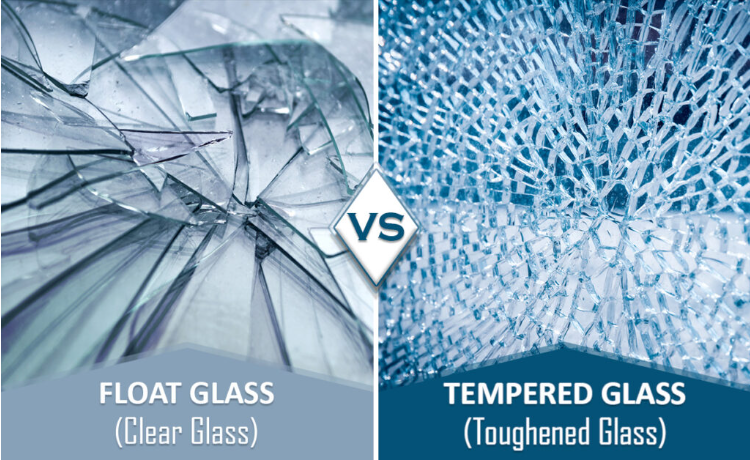
Tempered Glass Safety Ratings Explained
Introduction
Tempered glass is widely used in homes, offices, schools, and commercial spaces because of its strength, safety, and modern aesthetic. However, not all tempered glass performs equally under impact or stress. Understanding tempered glass safety ratings helps homeowners, designers, and builders select the right product for doors, windows, furniture, partitions, and balustrades. This guide explains what the ratings mean, the standards behind them, and how to choose certified glass in the UK.
What Are Tempered Glass Safety Ratings?
Tempered glass safety ratings indicate the glass’s resistance to impact, stress, and breakage. These ratings are based on tests conducted to British and European standards, including BS EN 12150 and GGF UK guidelines. Higher-rated glass withstands greater impact and stress, making it suitable for high-traffic areas, exterior applications, and safety-critical installations.
Key Safety Standards for Tempered Glass in the UK
1. BS EN 12150: Thermally Toughened Safety Glass
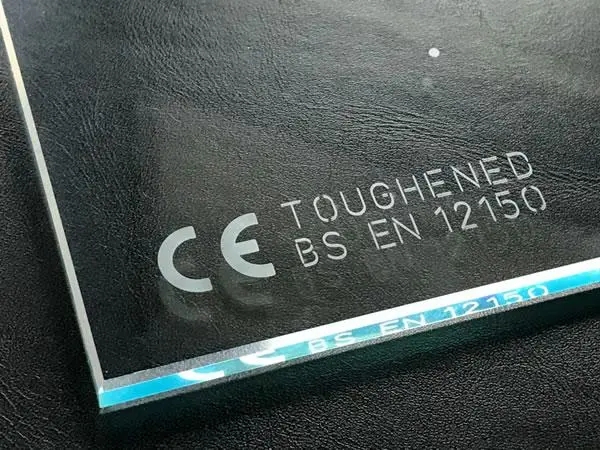
This standard covers the design, production, and testing of tempered glass. It specifies the minimum performance criteria for impact resistance and breakage patterns, ensuring the glass shatters into small, blunt pieces rather than sharp shards. Compliance with BS EN 12150 is mandatory for many applications in the UK.
2. BS 6206: Impact Performance of Safety Glazing
BS 6206 tests the ability of glass to resist impact from moving objects. It categorises glass into performance classes:
- Class A: Low risk, suitable for small windows or decorative panels.
- Class B: Medium impact resistance, suitable for doors and partitions.
- Class C: High impact resistance, ideal for balustrades, table tops, and high-traffic areas.
3. UKCA / CE Marking
Certified tempered glass in the UK often carries the UKCA mark (or CE for older stock). This mark confirms that the glass meets UK building regulations, including safety and performance standards. It is typically etched on a corner of the panel along with manufacturer and batch information.
Understanding the Safety Ratings
Impact Resistance
Tempered glass is tested for its ability to withstand accidental impacts. Ratings are based on simulated blows with standard weights or balls from specified heights. Higher resistance is required for doors, furniture surfaces like glass table tops, and partitions in schools or commercial spaces.
Thermal Stress Resistance
Tempered glass is designed to resist sudden temperature changes. For example, it can be used near radiators, in kitchens, or for outdoor balustrades. Safety ratings often include thermal shock tests to ensure the glass does not shatter when exposed to rapid heating or cooling. (Saint-Gobain UK)
Edge and Surface Quality
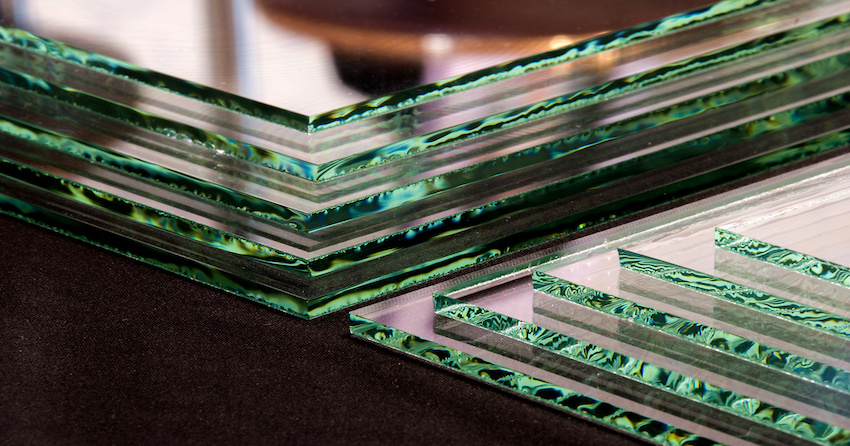
Edges and surface finish affect safety performance. Certified tempered glass will have polished or carefully finished edges to reduce the risk of chips and cracks, which could compromise strength. This is particularly important for furniture, doors, and walkways. (RIBA Knowledge Centre)
How to Verify Safety Ratings
- Check for etched UKCA or CE marks on the glass.
- Request manufacturer documentation confirming compliance with BS EN 12150 or BS 6206 standards.
- Purchase from suppliers registered with GGF UK or recognised UK glazing authorities.
- Ensure the glass thickness and type match intended use and safety rating requirements.
Applications Based on Safety Ratings
Understanding safety ratings helps select tempered glass for specific uses:
- Low-rated glass (Class A): Interior panels, decorative applications, or low-traffic areas.
- Medium-rated glass (Class B): Doors, office partitions, and residential furniture.
- High-rated glass (Class C): Balustrades, staircases, kitchens, commercial table tops, and high-traffic public areas.
Conclusion
Tempered glass safety ratings provide essential guidance for selecting the right product for your home, office, or commercial project. Look for UKCA marks, verify compliance with BS EN 12150 and BS 6206 standards, and buy from trusted suppliers. Whether choosing tempered glass for doors, partitions, windows, or glass table tops, understanding safety ratings ensures durability, performance, and peace of mind. Pair tempered glass with clear glass, frosted glass, or satin glass finishes to meet both functional and aesthetic needs.
Meta Information
Meta Title: Tempered Glass Safety Ratings Explained UK
Meta Description: Learn about tempered glass safety ratings in the UK, including impact, thermal, and compliance standards for furniture, doors, and windows.
Target Keywords: tempered glass safety ratings, tempered glass UK standards, certified tempered glass, buying tempered glass UK
FAQ
- Q: What do tempered glass safety ratings indicate?
A: They show the glass’s resistance to impact, thermal stress, and breakage according to UK standards like BS EN 12150 and BS 6206. - Q: How can I verify a tempered glass safety rating?
A: Look for UKCA or CE marks, check manufacturer documentation, and buy from trusted suppliers such as GGF UK. - Q: Which safety rating is suitable for glass table tops?
A: High-rated tempered glass (Class C) is recommended for furniture like glass table tops to withstand impact and regular use. - Q: Can tempered glass withstand thermal shocks?
A: Certified tempered glass is designed to resist rapid temperature changes and is tested for thermal stress resistance. (Saint-Gobain UK) - Q: Are thicker panels always safer?
A: Thicker glass generally provides higher impact resistance, but safety also depends on certification, edge finish, and installation. (RIBA Knowledge Centre)