Tips

Tips

The Advantages of Tempered Glass Over Acrylic and Plastic Surfaces

Nov 27, 2025

Introduction

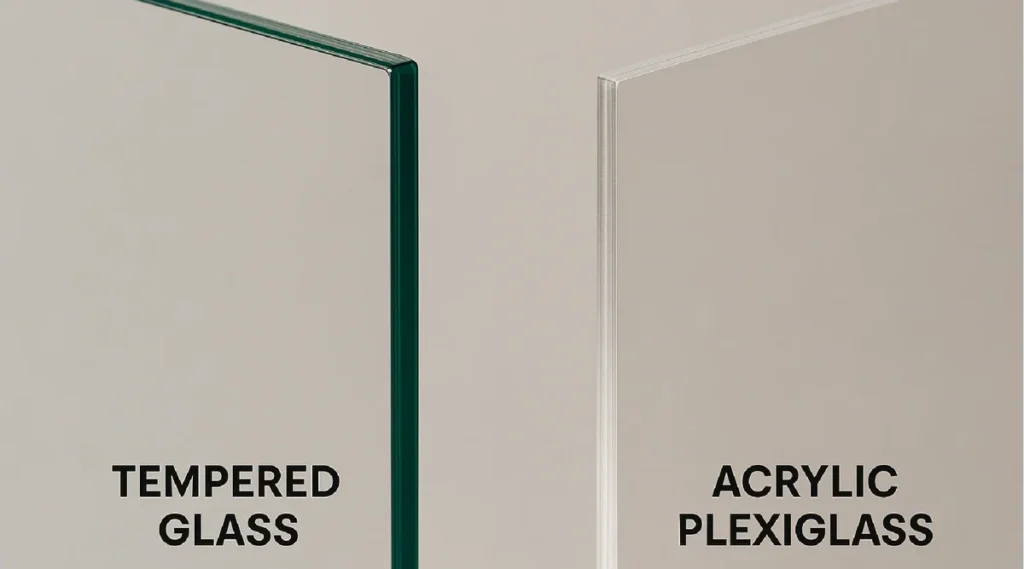
When choosing surfaces for furniture, countertops, partitions, or decorative panels, homeowners and designers often face a choice between tempered glass, acrylic, and plastic. While acrylic and plastic are lightweight and inexpensive, tempered glass offers superior durability, safety, and aesthetics. In this article, we explore the advantages of tempered glass over acrylic and plastic surfaces, highlighting why it is increasingly the preferred choice for modern interiors and commercial applications.

Strength and Durability

Tempered glass is heat-treated to withstand higher levels of impact and stress compared with standard glass or plastic alternatives. Key advantages include:

  • Impact Resistance: Tempered glass is up to five times stronger than annealed glass, making it far less likely to crack under normal use. In contrast, acrylic and plastic surfaces are prone to scratching, denting, and warping over time. Learn more about the strength benefits of Tempered Glass.
  • Scratch Resistance: Unlike acrylic and many plastics, tempered glass resists scratches and maintains a smooth, clear finish for years. (Pilkington UK)
  • Thermal Stability: Tempered glass tolerates temperature fluctuations and heat exposure, whereas plastic surfaces may warp or discolour when exposed to hot items.

Safety Advantages

Safety is a primary reason tempered glass is preferred over acrylic and plastic surfaces:

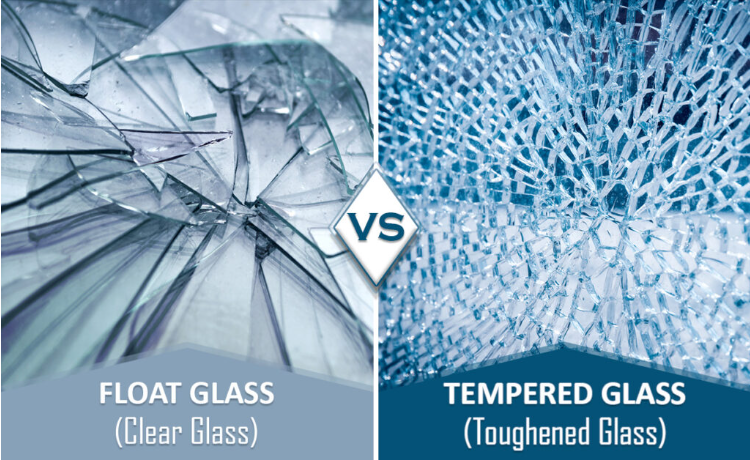
  • Shatter Resistance: If broken, tempered glass shatters into small, blunt fragments rather than sharp shards, reducing the risk of injury. Plastic and acrylic may crack irregularly, creating sharp edges. (GGF UK)
  • Fire Safety: Tempered glass is more resistant to heat and does not emit harmful fumes when exposed to fire, unlike certain plastics.
  • Structural Reliability: Tempered glass maintains its shape and strength under pressure, making it safer for large surfaces, glass partitions, and table tops.

Aesthetic Appeal

Tempered glass offers a high-end, contemporary look that is difficult to replicate with acrylic or plastic:

  • Clarity: Clear tempered glass provides unparalleled transparency and light transmission, unlike acrylic which can yellow or become cloudy over time. Discover more about Clear Glass options.
  • Surface Finish: Frosted or satin finishes can add elegance and privacy, making tempered glass versatile for interior design. See Frosted Glass and Satin Glass.
  • Customisation: Tempered glass can be cut into various shapes, sizes, and edge finishes, allowing for bespoke table tops, shelves, and partitions. (RIBA knowledge centre)

Longevity and Maintenance

Tempered glass requires minimal maintenance compared with acrylic and plastic surfaces:

  • Durable Finish: Unlike acrylic, glass does not scratch easily and maintains its polished look.
  • Stain Resistance: Smooth glass surfaces resist staining and are easy to clean with standard glass cleaners.
  • UV Stability: Tempered glass does not yellow under UV exposure, a common issue with plastic surfaces. (Everest UK)

Environmental and Health Benefits

Tempered glass has advantages for sustainability and indoor air quality:

  • Eco-Friendly: Glass is 100% recyclable, whereas many plastics contribute to landfill waste.
  • Non-Toxic: Tempered glass does not emit volatile organic compounds (VOCs) or harmful chemicals, unlike some plastics used in furniture and panels.
  • Longer Lifespan: Durability reduces the need for replacement, lowering environmental impact over time.

Applications Where Tempered Glass Excels

Tempered glass is suitable for applications where strength, safety, and aesthetics are critical:

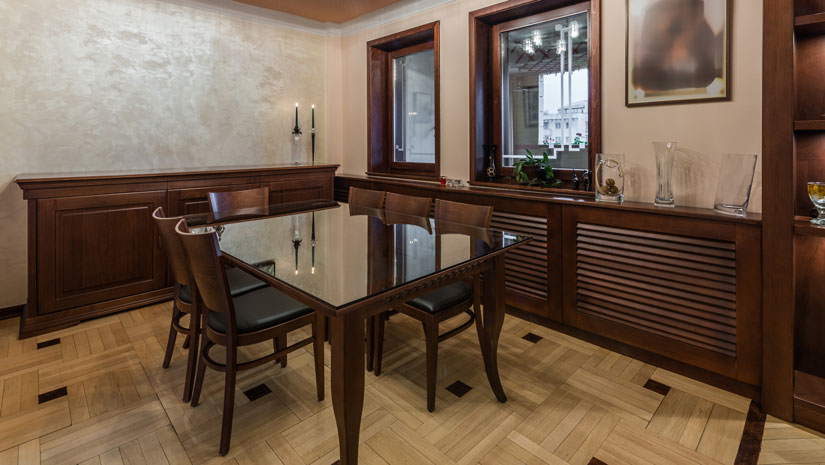
  • Table Tops: Strong, scratch-resistant surfaces ideal for dining or office tables. Explore Glass Table Top options.
  • Partitions and Doors: Provides privacy and elegance without compromising on light transmission.
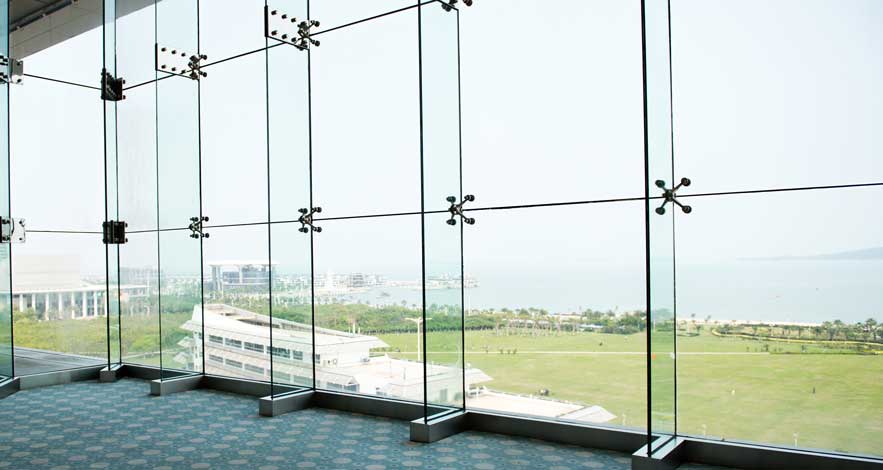
  • Balustrades and Staircases: Combines safety with contemporary design.
  • Kitchen Splashbacks: Durable and easy-to-clean alternative to acrylic panels.

Cost Considerations

While acrylic and plastic are often cheaper upfront, tempered glass offers long-term value:

  • Durability and scratch resistance reduce replacement costs.
  • Higher safety reduces liability risk in commercial spaces.
  • Premium aesthetics increase property appeal and resale value.

Buying and Installation Checklist

  • Confirm the desired thickness and size for your application. Common thicknesses range from 4–12mm depending on usage. (Everest UK)
  • Choose the right finish: clear, frosted, satin, or tinted.
  • Ensure compliance with UK safety glazing regulations. More details at Gov.uk Safety Glazing.
  • Hire certified installers to handle tempered glass safely. Certified installers can be found via GGF UK.
  • Plan for cleaning and maintenance access for larger panels or furniture items.

Conclusion

Tempered glass offers clear advantages over acrylic and plastic surfaces, including superior strength, safety, aesthetic appeal, and longevity. Its versatility makes it ideal for table tops, partitions, balustrades, and decorative panels. For bespoke applications, explore our Glass Table Top range and learn more about different glass types, including Tempered Glass, Frosted Glass, Clear Glass, and Satin Glass.

Meta Information

Meta Title: Advantages of Tempered Glass Over Acrylic & Plastic

Meta Description: Discover why tempered glass outperforms acrylic and plastic surfaces in strength, safety, and style for modern interiors.

Target Keywords: tempered glass vs acrylic, tempered glass advantages, tempered glass surfaces, glass furniture benefits

FAQ

  • Q: Is tempered glass safer than acrylic or plastic?
    A: Yes. Tempered glass shatters into small blunt fragments, reducing injury risk compared to sharp plastic cracks. Learn more at Tempered Glass.
  • Q: Does tempered glass scratch easily?
    A: No. It is highly scratch-resistant, unlike acrylic or plastic surfaces which mark easily. See Pilkington UK for guidance.
  • Q: Can tempered glass withstand heat?
    A: Yes. Tempered glass tolerates rapid temperature changes and hot items without warping or cracking. (Everest UK)
  • Q: Is tempered glass more expensive than acrylic?
    A: Initially yes, but its durability, safety, and aesthetic appeal provide better long-term value.
  • Q: Can tempered glass be customised?
    A: Absolutely. It can be cut into different sizes, shapes, edge finishes, and tints before tempering. (GGF UK)
Tips

Custom Tempered Glass: Shapes, Sizes, Edge Finishes, and Tints

Nov 27, 2025

Introduction

Custom tempered glass has become a staple in modern interiors and architecture due to its unmatched combination of strength, safety, and style. Unlike standard glass, tempered glass undergoes a heat-treatment process that significantly increases its durability, making it suitable for applications ranging from furniture to balustrades and windows. This article delves into the options available for custom tempered glass, covering different shapes, sizes, edge finishes, and tints, while providing practical guidance for selection, installation, and maintenance.

Benefits of Custom Tempered Glass

  • Enhanced Safety: Tempered glass is designed to shatter into small, blunt fragments rather than sharp shards, reducing the risk of injury. You can read more about the safety advantages of Tempered Glass for home and commercial projects.
  • Increased Strength: Heat-treated tempered glass is up to five times stronger than annealed glass of the same thickness. Learn about the strength benefits from Everest UK.
  • Durability: Resistant to impact, thermal stress, and environmental wear, tempered glass offers long-lasting performance for both residential and commercial settings. More details are available at Huxley & Co.
  • Design Flexibility: With custom shapes, tints, and edge finishes, tempered glass can be tailored to suit interior décor, furniture, or architectural designs. The RIBA knowledge centre highlights creative applications of glass in contemporary design.

Shapes and Sizes

One of the key advantages of custom tempered glass is the ability to create various shapes and sizes for different applications:

  • Rectangular and Square: Commonly used for table tops, shelves, and windows.
  • Curved or Circular: Popular in contemporary furniture designs, staircase balustrades, and decorative features.
  • Polygonal or Irregular: Perfect for bespoke architectural elements and unique interior panels.

Accurate measurements are essential because tempered glass cannot be cut or altered after the tempering process. For guidance on maximum sizes and shaping limits, consult a professional supplier such as the Glass and Glazing Federation (GGF).

Edge Finishes

Edge finishing not only affects the appearance but also the safety of tempered glass panels. Common edge treatments include:

  • Polished Edges: Smooth, refined edges ideal for table tops, shelves, and balustrades.
  • Bevelled Edges: Decorative angled edges for a premium and sophisticated look.
  • Rounded (Radius) Edges: Adds extra safety, particularly for low-level panels or furniture used by children.
  • Straight or Seamed Edges: Simple edges used where aesthetics are less critical, often in structural glazing.

For more on glass finishes, see the Pilkington UK guide on glass edges and processing.

Tints and Colours

Custom tempered glass can be tinted or coloured for both functional and decorative purposes. Popular options include:

  • Clear Glass: Maximises natural light while maintaining transparency. Learn more at Clear Glass.
  • Frosted or Satin: Offers privacy without reducing light, ideal for bathrooms or offices. Explore Frosted Glass and Satin Glass options.
  • Smoke or Grey Tints: Reduces glare and UV exposure while giving a modern aesthetic.
  • Bronze Tints: Adds warmth and complements timber or metallic interiors.
  • Custom Colours: Available for statement furniture, feature walls, or artistic projects.

Thickness and Applications

The thickness of tempered glass panels should be selected based on application and load requirements:

  • 4–6mm: Suitable for decorative panels, small shelves, or light furniture.
  • 8–10mm: Ideal for table tops, medium-sized shelves, and office partitions.
  • 12–19mm: Used for heavy-duty applications like large table tops, balustrades, or floor-to-ceiling panels.

For guidance on thickness and safety considerations, see the Everest UK tempered glass specifications.

Safety and Maintenance

Proper maintenance ensures longevity and preserves the appearance of tempered glass:

  • Use non-abrasive cleaners and soft cloths to prevent scratches.
  • Regularly inspect frames, seals, and support structures for damage.
  • Replace cracked or damaged panels immediately, even if minor.
  • Ensure compliance with UK safety glazing regulations for critical locations such as low-level panels and staircases. More information is available at Gov.uk Safety Glazing Regulations.

Design Tips and Styling Ideas

  • Combine clear tempered glass with timber or metal frames for a contemporary, industrial look.
  • Use frosted or satin panels in bathrooms or kitchens for privacy without sacrificing light.
  • Incorporate coloured or tinted panels to create focal points or statement furniture.
  • Mix shapes and edge finishes to achieve a bespoke look for table tops, shelves, or balustrades.

Buying and Installation Checklist

  • Confirm the required shape, size, thickness, and edge finish with a certified supplier.
  • Choose the appropriate tint or colour for aesthetics and functional benefits.
  • Ensure compliance with UK building and safety regulations.
  • Use professional installers to handle and fit tempered glass safely and correctly. The GGF provides a directory of certified installers.
  • Plan for cleaning and maintenance access, especially for large or high-positioned panels.

Conclusion

Custom tempered glass combines safety, strength, and design versatility, making it an ideal choice for furniture, interior partitions, and architectural applications. With options for different shapes, sizes, edge finishes, and tints, tempered glass can be tailored to meet both practical and aesthetic requirements. To explore complementary interior solutions, check out Glass Table Top products, and find detailed information about Tempered Glass, Frosted Glass, Clear Glass, and Satin Glass.

Meta Information

Meta Title: Custom Tempered Glass: Shapes, Sizes, Edge Finishes & Tints

Meta Description: Discover custom tempered glass options with a range of shapes, sizes, edge finishes, and tints for furniture, interiors, and architectural projects.

Target Keywords: custom tempered glass, tempered glass shapes, glass edge finishes, tempered glass tints

FAQ

  • Q: Can tempered glass be customised into any shape?
    A: Yes, tempered glass can be cut into rectangles, circles, curves, or polygons, but all shaping must be done before the tempering process. For guidance, see GGF recommendations.
  • Q: What edge finishes are available?
    A: Options include polished, bevelled, rounded, and straight edges. Each finish combines safety and aesthetics. More information is available at Pilkington UK.
  • Q: Are tints available for tempered glass?
    A: Yes, options include clear, frosted, satin, smoke, bronze, or custom colours. Visit Frosted Glass for examples.
  • Q: Is tempered glass safe for furniture?
    A: Absolutely. Its strength and shatter-resistant properties make it ideal for table tops, shelves, and partitions. Learn more at Glass Table Top.
  • Q: How thick should tempered glass be for furniture or partitions?
    A: Thickness depends on size and load: 4–6mm for small panels, 8–10mm for medium applications, and 12–19mm for large or heavy-duty installations. Refer to Everest UK specifications.
Tips

Tempered Glass Windows: Strength, Security, and Energy Efficiency

Nov 27, 2025

Introduction

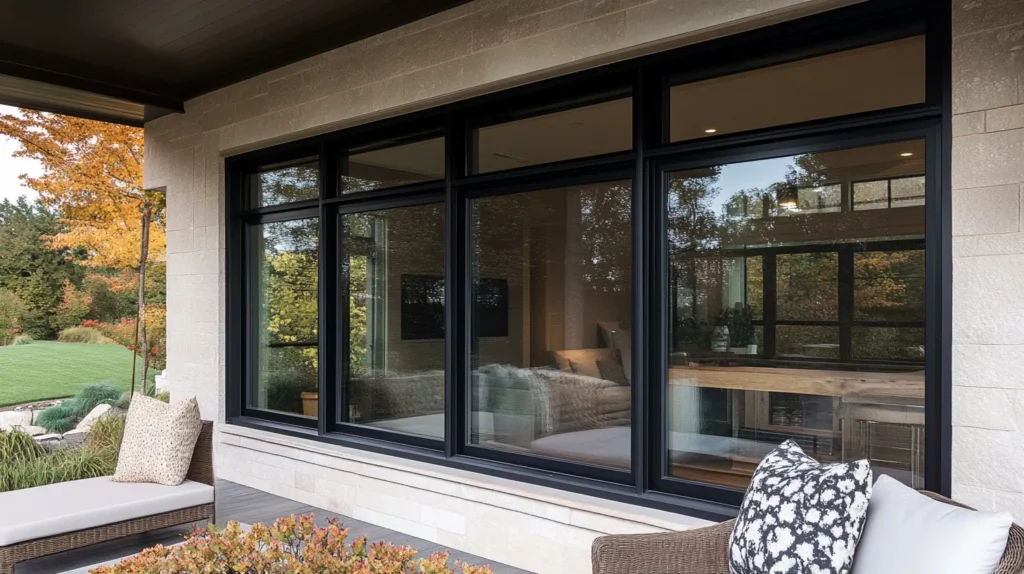
Tempered glass windows have become a popular choice for modern homes and commercial buildings due to their combination of strength, safety, and aesthetic appeal. Offering superior durability compared with standard glass, tempered glazing also provides enhanced thermal resistance and safer breakage. When paired with appropriate glazing systems, tempered glass can contribute to energy efficiency, improved security, and long-term comfort. In this article, we explore the benefits, types, installation considerations, and best practices for using tempered glass in windows.

Benefits of Tempered Glass Windows

  • Enhanced Strength: Tempered glass is heat-treated to improve its structural integrity, making it 4–5 times stronger than annealed glass. This makes it ideal for large windows and areas exposed to impact. ([Everest UK](https://www.everest.co.uk/glass/toughened-glass/))
  • Safety: If broken, tempered glass shatters into small blunt fragments rather than sharp shards, reducing the risk of injury. ([GlassHelper UK](https://www.glasshelper.co.uk/tempered-vs-laminated-glass-which-safety-glass-do-you-need/))
  • Thermal Resistance: Tempered glass tolerates rapid temperature changes and heat exposure without cracking, making it suitable for sunny or exposed locations. ([Sieger Systems](https://www.siegersystems.co.uk/technical-advice/glass-types/))
  • Durability: Its strength and resistance to mechanical stress ensures longevity, even in high-traffic areas or challenging weather conditions. ([Huxley & Co](https://www.huxleyandco.co.uk/toughened-glass-or-tempered-glass-whats-the-difference/))

Types of Glass Used in Windows

Modern windows can incorporate different types of glass depending on design, privacy, and performance requirements. Common types include:

  • Tempered Glass: Ideal for safety-critical locations and large panes, it provides high impact resistance and safer breakage. ([Tempered Glass](https://www.glasshelp.co.uk/tempered-glass/))
  • Frosted Glass: Offers privacy while allowing light to filter through, commonly used in bathrooms or offices. ([Frosted Glass](https://www.glasshelp.co.uk/frosted-glass/))
  • Clear Glass: Standard transparent glazing that maximises natural light and views. ([Clear Glass](https://www.glasshelp.co.uk/clear-glass/))
  • Satin Glass: Smooth, translucent glass that provides diffused light with a soft finish, popular in modern interior designs. ([Satin Glass](https://www.glasshelp.co.uk/satin-glass/))

Measuring and Selecting the Right Size

Accurate measurement is crucial when ordering tempered glass windows. Key steps include:

  1. Measure the exact width and height of the window opening.
  2. Account for frame tolerances and sealing materials.
  3. Consider sash or sliding mechanisms when selecting glass size.
  4. Check local building codes for safety glazing requirements, particularly for low-level or floor-to-ceiling windows. ([RIBA](https://www.architecture.com/knowledge-and-resources/knowledge-landing-page))

Thickness and Edge Finishes

Tempered glass is available in various thicknesses depending on window size, type, and safety requirements. Common thicknesses range from 4mm to 12mm for residential applications. Edge finishing options include:

  • Polished Edges: Smooth, refined edges for a clean appearance.
  • Bevelled Edges: Decorative angled edges for modern aesthetics.
  • Sealed or Laminated Edges: Used in double-glazed units for additional safety and insulation.

Safety and Maintenance

Maintaining tempered glass windows ensures longevity and continued performance:

  • Use non-abrasive cleaning solutions to avoid scratches.
  • Regularly inspect seals and frames to prevent moisture ingress.
  • Replace broken or cracked panes immediately, even if fragments appear minimal.
  • Ensure children and pets are supervised around low-level or large glazed areas. ([Gov.uk Building Regulations](https://www.gov.uk/government/publications/approved-document-k-safety-glazing-in-buildings))

Design Tips and Styling Ideas

  • Combine tempered glass with aluminium or timber frames for a modern aesthetic.
  • Use frosted or satin glass for private areas without sacrificing light.
  • Consider coloured or tinted tempered glass for UV protection and energy efficiency.
  • Mix different glass types in multi-panel windows to create visual interest.

Buying and Installation Checklist

  • Confirm glass type and thickness appropriate for window size and location.
  • Verify compliance with UK safety regulations.
  • Check supplier credentials and certifications.
  • Ensure professional installation to avoid stress cracks or seal failures. ([GGF Glass](https://www.ggf.org.uk/))
  • Plan for maintenance access and cleaning procedures.

Conclusion

Tempered glass windows offer a unique combination of strength, safety, and design flexibility, making them suitable for a wide range of residential and commercial applications. When integrated with modern glazing technologies and proper installation, they can also contribute to energy efficiency, comfort, and long-term durability. For interior applications, don’t forget to explore Glass Table Top solutions. For further guidance on glass types, see our pages on Tempered Glass, Frosted Glass, Clear Glass, and Satin Glass.

Meta Information

Meta Title: Tempered Glass Windows: Strength, Security & Efficiency

Meta Description: Discover tempered glass windows for enhanced strength, safety, and energy efficiency in modern UK homes.

Target Keywords: tempered glass windows, energy efficient windows, safety glazing, tempered glass UK

FAQ

  • Q: Are tempered glass windows safer than regular glass?
    A: Yes. Tempered glass breaks into small blunt fragments, reducing injury risk. ([GlassHelper UK](https://www.glasshelper.co.uk/tempered-vs-laminated-glass-which-safety-glass-do-you-need/))
  • Q: Can tempered glass improve energy efficiency?
    A: Only when used in double or triple glazing systems with proper sealing and coatings. Single-pane tempered glass does not significantly insulate. ([Groundworks BS](https://groundworksbs.org.uk/wp-content/uploads/sites/8/2023/10/Fact-Sheet-Double-and-Triple-Glazing.pdf))
  • Q: Can tempered glass be cut after installation?
    A: No. It must be cut and finished before the tempering process. ([Everest UK](https://www.everest.co.uk/glass/toughened-glass/))
  • Q: When is laminated glass better than tempered?
    A: Laminated glass retains integrity after breakage, providing better security and fall protection. ([GlassHelper UK](https://www.glasshelper.co.uk/tempered-vs-laminated-glass-which-safety-glass-do-you-need/))
Tips

Pros and Cons of Using Tempered Glass in Furniture

Nov 27, 2025

Introduction

Tempered glass has become a popular choice in modern furniture design, prized for its sleek appearance, strength, and versatility. From coffee tables to office desks, it offers a contemporary aesthetic while providing practical benefits. However, like any material, tempered glass has both advantages and disadvantages that homeowners and designers should consider before investing. This guide explores the pros and cons of using tempered glass in furniture, helping you make an informed decision.

Benefits of Using Tempered Glass in Furniture

Tempered glass furniture brings a blend of style and practicality. Its benefits include:

  • Strength and Durability: Tempered glass is approximately four to five times stronger than standard glass, making it resistant to impact and everyday wear. Learn more about Tempered Glass and its advantages for home furnishings.
  • Safety: If broken, tempered glass shatters into small, blunt pieces rather than sharp shards, reducing the risk of injury.
  • Elegant Aesthetic: Its smooth, reflective surface creates a sense of openness, light, and modernity, complementing both minimalist and traditional interiors.
  • Heat and Scratch Resistance: Tempered glass can withstand higher temperatures and is more resistant to scratches compared to untreated glass, making it ideal for dining tables and worktops.
  • Easy to Clean: A simple wipe with a damp cloth is usually enough to maintain its pristine appearance.

Types of Glass Used in Furniture

When selecting furniture, understanding the types of glass available is crucial:

  • Tempered Glass: Heat-treated for strength and safety. Commonly used in tables, shelving, and cabinet doors.
  • Frosted Glass: Provides privacy and a soft, matte finish. Ideal for cabinet doors or decorative furniture. See more about Frosted Glass.
  • Clear Glass: Classic and transparent, offering a timeless look that suits most spaces. Explore Clear Glass furniture options.
  • Satin Glass: Offers a subtle, muted sheen that diffuses light gently. Check Satin Glass applications in interiors.
  • Laminated Glass: Combines layers for extra strength and sound insulation, often used in heavy-duty tables.
  • Textured or Patterned Glass: Adds a decorative element while maintaining partial transparency.

Measuring and Selecting the Right Size

Choosing the correct dimensions is vital for both aesthetics and safety:

  • Measure your space accurately before purchasing to avoid overhangs or awkward fits.
  • Consider table height and width relative to chairs and room layout.
  • Account for the thickness of the glass, which can affect weight and stability.
  • For large tables, multiple panels with tempered glass may be safer and easier to handle.

Thickness and Edge Finishes

Glass thickness and edge treatment affect both safety and style:

  • Thickness: Standard furniture glass ranges from 6mm to 12mm. Dining tables often use 10–12mm for durability.
  • Edge Finishes: Bevelled, polished, or rounded edges improve safety and add visual appeal.
  • Consider thicker glass for larger surfaces to prevent flexing or breakage under weight.

Safety and Maintenance

While tempered glass is strong, proper handling and maintenance are essential:

  • Always lift furniture instead of dragging to prevent chipping edges.
  • Use coasters and placemats to protect against scratches.
  • Regularly clean with mild, non-abrasive cleaners to avoid streaks or damage.
  • Check for chips or cracks periodically; damaged tempered glass should be replaced immediately.

Design Tips and Styling Ideas

Tempered glass furniture can complement various interior styles:

  • Modern Minimalism: Pair clear or satin glass tables with sleek metal or wood legs for a contemporary look.
  • Layered Textures: Combine frosted glass with natural wood to soften a room’s aesthetic.
  • Lighting Effects: Glass surfaces reflect light, making rooms appear larger and brighter. Place under pendant lights for dramatic effect.
  • Functional Decor: Consider tempered glass shelving for display units, allowing items to stand out while maintaining an airy feel.

Buying and Installation Checklist

Before investing in tempered glass furniture, ensure you:

  1. Confirm the glass is certified tempered, preferably with a UK or EU safety mark.
  2. Measure your space accurately and account for furniture clearance.
  3. Choose the correct thickness and edge finish for intended use.
  4. Check warranties and return policies from the supplier.
  5. Hire professional installers for larger pieces to ensure proper handling and safety.

Cons of Using Tempered Glass in Furniture

Despite its many benefits, tempered glass has some drawbacks:

  • Cost: Tempered glass furniture is typically more expensive than traditional wood or MDF options.
  • Weight: Thicker panels can be heavy, making furniture difficult to move without assistance.
  • Visible Fingerprints and Smudges: Glass surfaces require frequent cleaning to maintain their pristine look.
  • Limited Repair Options: If tempered glass breaks, it cannot be repaired and must be replaced entirely.
  • Style Limitations: Some traditional interiors may not suit the modern, sleek appearance of glass furniture.

Conclusion

Tempered glass furniture offers a modern, elegant, and safe solution for both residential and commercial spaces. While it comes with considerations such as cost and maintenance, the benefits in durability, aesthetic appeal, and versatility make it a worthy investment. For homeowners seeking a contemporary touch, combining tempered glass with other materials can enhance any room. Explore our range of Glass Table Top options to find the perfect piece for your home.

Meta Information

Meta Title: Pros and Cons of Tempered Glass Furniture

Meta Description: Discover the advantages and drawbacks of tempered glass in furniture, including safety, durability, design tips, and maintenance advice.

Target Keywords: Tempered glass furniture, glass table top, frosted glass, clear glass

FAQ

  • Q: Is tempered glass safer than regular glass?
    A: Yes, tempered glass breaks into small blunt pieces, reducing the risk of injury.
  • Q: Can tempered glass furniture be repaired if it chips?
    A: No, tempered glass cannot be repaired; any damage requires replacement.
  • Q: How do I maintain tempered glass furniture?
    A: Clean regularly with mild, non-abrasive cleaners and use coasters to prevent scratches.
  • Q: What thickness of tempered glass is recommended for tables?
    A: For dining tables, 10–12mm thick tempered glass is recommended for stability and durability.
  • Q: Can tempered glass be used in combination with wood or metal?
    A: Absolutely, pairing glass with wood or metal creates a modern and elegant design.

References:

Tips

The Manufacturing Process of Tempered Glass Explained

Nov 27, 2025


The Manufacturing Process of Tempered Glass Explained


The Manufacturing Process of Tempered Glass Explained

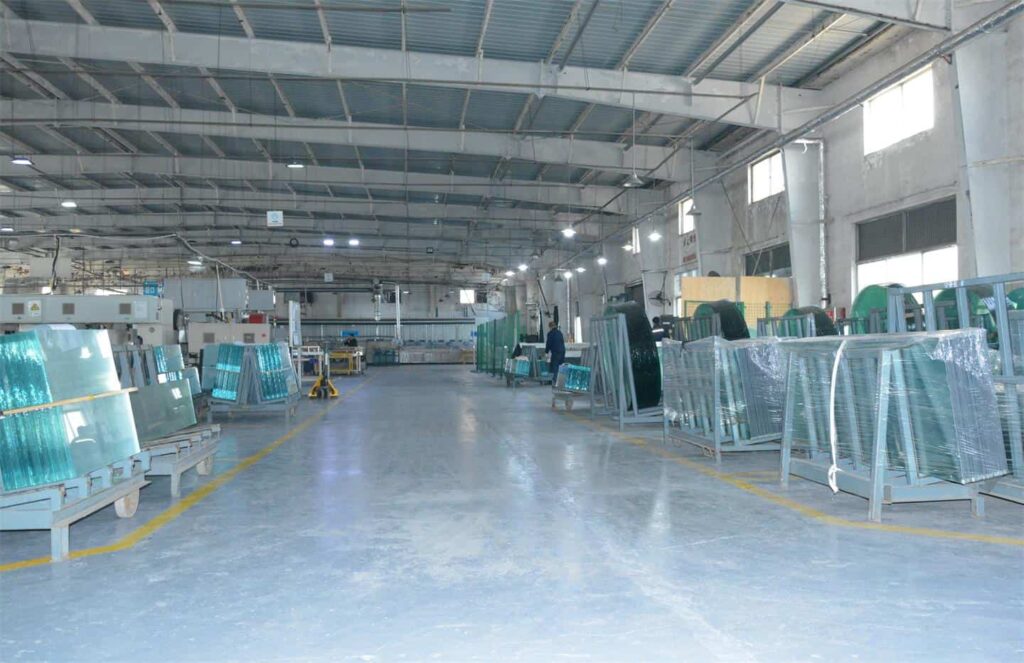
Tempered glass — often referred to as “toughened glass” — is a form of safety glass engineered to be significantly stronger and safer than standard annealed glass. Thanks to a precise manufacturing process involving heating and rapid cooling, tempered glass is ideal for use in furniture, windows, partitions, and more. :contentReference[oaicite:0]{index=0}

For premium tempered glass products and custom solutions, see our guide here.

Why Tempered Glass Is Different

Tempered glass is manufactured so that the outer surfaces go into compression while the interior remains under tension. This internal stress profile gives the glass enhanced mechanical strength, thermal resistance, and — importantly — causes it to fracture into many small blunt fragments rather than sharp shards when broken. :contentReference[oaicite:1]{index=1}

Step‑by‑Step: How Tempered Glass Is Made

1. Start with Float (Annealed) Glass

The base material is standard float glass, produced from raw materials like silica sand, soda ash, and limestone, melted and cast into flat sheets. These can be clear, tinted, or otherwise pre‑finished depending on the final specification. :contentReference[oaicite:2]{index=2}

2. Cutting, Shaping & Edge‑Finishing (Pre‑Tempering)

Before tempering, the glass is cut to precise dimensions and any drilling, cut‑outs, or edge finishing (polishing, beveling, etc.) must be completed. Tempered glass cannot be modified (cut or drilled) after the heat‑treating process — doing so will cause immediate shattering. :contentReference[oaicite:3]{index=3}

3. Cleaning the Glass Thoroughly

Once cut and shaped, the glass surface must be meticulously cleaned to remove dust, oil, residues or contaminants. Any dirt or imperfection can become a stress‑concentrator during tempering — risking weakness or failure. :contentReference[oaicite:4]{index=4}

4. Heating in a Tempering Furnace

The cleaned glass sheet is then passed through a tempering furnace (sometimes on rollers) and heated to a temperature typically around 620–650 °C. At this stage the glass softens enough to allow molecular restructuring needed for tempering. :contentReference[oaicite:5]{index=5}

5. Rapid Cooling (Quenching)

Immediately after heating, the glass is rapidly cooled using high‑pressure air jets (quenching). The surfaces harden quickly while the core cools more slowly — creating the compressive surface stress and tensile interior stress that define tempered glass. :contentReference[oaicite:6]{index=6}

6. Cooling to Room Temperature & Stabilisation

After quenching, the glass is allowed to cool to ambient temperature. During this phase the stress profile stabilises permanently. Once cooled, the glass becomes fully tempered and cannot be safely altered or machined. :contentReference[oaicite:7]{index=7}

7. Final Inspection & Quality Control

Each pane undergoes inspection (often visual and mechanical) to ensure there are no distortions, warping, or flaws. Certified suppliers test according to safety‑glass standards and only sheets meeting criteria are released for use. :contentReference[oaicite:8]{index=8}

Optional Pre‑Tempering Treatments & Finishes

Depending on design or functional requirements, additional treatments may be applied before tempering:

  • Tinting or colouring: using tinted float glass or coating glass to reduce glare or alter appearance. :contentReference[oaicite:9]{index=9}
  • Frosting / satin‑finish: achieved via sand‑blasting or acid‑etching before tempering for a matte aesthetic. :contentReference[oaicite:10]{index=10}
  • Lamination (if required): for high‑security or sound‑insulating applications — two tempered layers with a clear interlayer. Must be done under controlled conditions. :contentReference[oaicite:11]{index=11}
  • Edge polishing / beveling: ensures smooth, safe edges — especially crucial for furniture, table tops and indoor fittings. :contentReference[oaicite:12]{index=12}

Why Tempered Glass Production Matters — Key Benefits

  • Superior strength: Compared to standard glass, tempered glass can withstand significantly higher impact and bending stresses. :contentReference[oaicite:13]{index=13}
  • Safe fracture pattern: When broken, tempered glass crumbles into small, blunt fragments — much safer than dangerous shards from annealed glass. :contentReference[oaicite:14]{index=14}
  • Thermal resistance: The internal stress profile helps tolerate temperature swings, making tempered glass suitable for kitchens, windows, doors, splashbacks, etc. :contentReference[oaicite:15]{index=15}
  • Design flexibility: Because of its strength, tempered glass allows thinner panes, larger spans, and custom shapes — ideal for furniture, partitions, doors, architectural glazing. :contentReference[oaicite:16]{index=16}

Limitations & Important Considerations

  • No post‑tempering cutting or drilling: The glass must be cut, finished and prepared before tempering — otherwise attempts to cut or drill will cause it to shatter. :contentReference[oaicite:17]{index=17}
  • Edge and corner vulnerability: Edges are potential weak points — chips, rough finishing or poor handling can compromise structural integrity. :contentReference[oaicite:18]{index=18}
  • Support and mounting matters: When used in table tops, furniture or architectural applications, the frame or support must properly hold the glass to avoid stress concentration or uneven load. :contentReference[oaicite:19]{index=19}
  • Quality control is critical: Suppliers must certify compliance with relevant safety standards; non‑certified tempered glass may not perform as expected under stress. :contentReference[oaicite:20]{index=20}

Common Applications of Tempered Glass

Thanks to its strength, safety and versatility, tempered glass is widely used in:

  • Table tops, desks and furniture surfaces
  • Doors and interior partitions
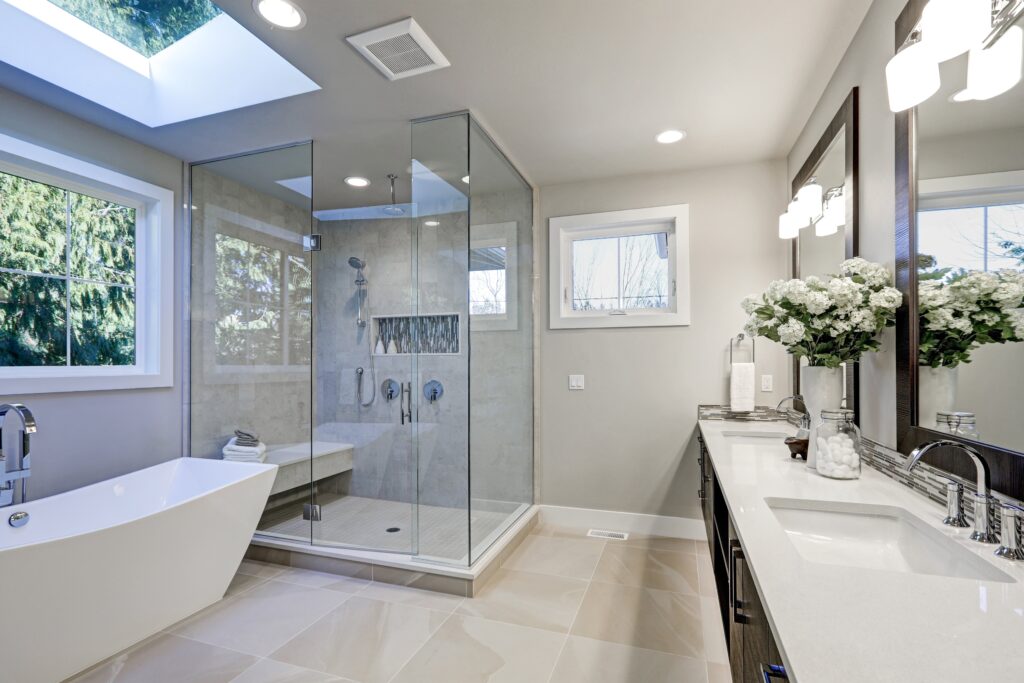
  • Shower enclosures and bathroom screens
  • Balustrades, stair railings and architectural glazing
  • Windows, splashbacks, and other functional surfaces in homes and commercial buildings :contentReference[oaicite:21]{index=21}

Conclusion

The manufacturing process of tempered glass is a carefully controlled, multi-stage sequence — starting from high-quality float glass, through precise cutting, shaping, cleaning, thermal tempering, rapid quenching, and final inspection. This process transforms ordinary glass into a high‑performance, safety-rated product that combines strength, durability, and design flexibility — ideal for furniture, architecture, and modern interiors. When sourcing tempered glass, prioritize suppliers who follow the full process under recognised standards and provide certification. That way, you ensure reliability and safety in your projects.

To explore premium tempered glass solutions — for furniture, doors, partitions or architectural uses — visit our product guide here.

FAQ

Q: What makes tempered glass stronger than regular glass?

A: Tempered glass carries compressive stress on the surface and tensile stress in the core, created during rapid heating and quenching — this stress profile improves impact resistance and strength. :contentReference[oaicite:22]{index=22}

Q: Can I cut or drill tempered glass after it’s been manufactured?

A: No. Any cutting, drilling or edge‑work must be completed before tempering. Post‑tempering modifications will cause the glass to shatter. :contentReference[oaicite:23]{index=23}

Q: What happens if tempered glass breaks?

A: Instead of dangerous shards, tempered glass breaks into small, blunt fragments, which greatly reduces the risk of serious injury. :contentReference[oaicite:24]{index=24}

Q: Is tempered glass suitable for furniture like table tops?

A: Yes — because of its strength, safety breakage pattern, and design flexibility, tempered glass is widely used for table tops, desks, shelves and other furniture surfaces. :contentReference[oaicite:25]{index=25}

Q: Are there different grades or standards for tempered glass?

A: Yes. Leading manufacturers such as Pilkington produce tempered glass compliant with international safety regulations, offering certification and varying strengths depending on thickness and application. :contentReference[oaicite:26]{index=26}


Tips

Tempered Glass Table Tops: Why They’re the Best Choice for Modern Homes

Nov 27, 2025

Tempered Glass Table Tops: Why They’re the Best Choice for Modern Homes

Tempered glass table tops have become increasingly popular in modern home interiors due to their combination of strength, elegance, and versatility. Unlike standard glass, tempered glass is heat-treated to be up to five times stronger and shatters into small, blunt pieces if broken, making it a safer option for families and high-traffic areas.

To explore premium tempered glass table tops and custom options, visit our detailed guide here.

Why Choose Tempered Glass for Your Table Tops?

Tempered glass table tops offer several advantages that make them ideal for modern living spaces:

  • Safety: Tempered glass is designed to shatter safely into small, blunt fragments.
  • Durability: Resistant to scratches, thermal stress, and everyday impact.
  • Light and space enhancement: Transparent surfaces allow natural light to flow, creating a spacious and airy feel.
  • Versatility: Can be combined with wood, metal, or stone for contemporary designs.
  • Easy maintenance: Smooth surfaces are simple to clean and resistant to stains and moisture.

Applications in Modern Homes

1. Dining Tables

Tempered glass dining tables are popular for both their sleek appearance and practicality. They allow designers to use thinner panels while maintaining strength and stability. Families benefit from the safety features, while the reflective surface helps brighten dining areas.

2. Coffee and Side Tables

Modern living rooms often incorporate tempered glass coffee tables or side tables. These tables provide a minimalist look and make smaller rooms appear larger due to their transparency. Additionally, tempered glass reduces the risk of injury from accidental bumps or knocks.

3. Kitchen Islands and Counters

Tempered glass can also be used as a protective surface over wooden or stone counters. It protects against scratches, spills, and heat while maintaining a sleek and contemporary appearance.

4. Desk and Home Office Surfaces

Tempered glass desks are ideal for home offices, combining modern style with durability. They are resistant to scratches from stationery, laptops, and office accessories, and are easy to maintain.

Types of Tempered Glass Table Tops

Choosing the right type of tempered glass affects both aesthetics and functionality. The most common types include:

Clear Tempered Glass

Provides a neutral, clean look suitable for any décor. According to the Glass and Glazing Federation, clear tempered glass is ideal for most domestic furniture.

Low-Iron Tempered Glass

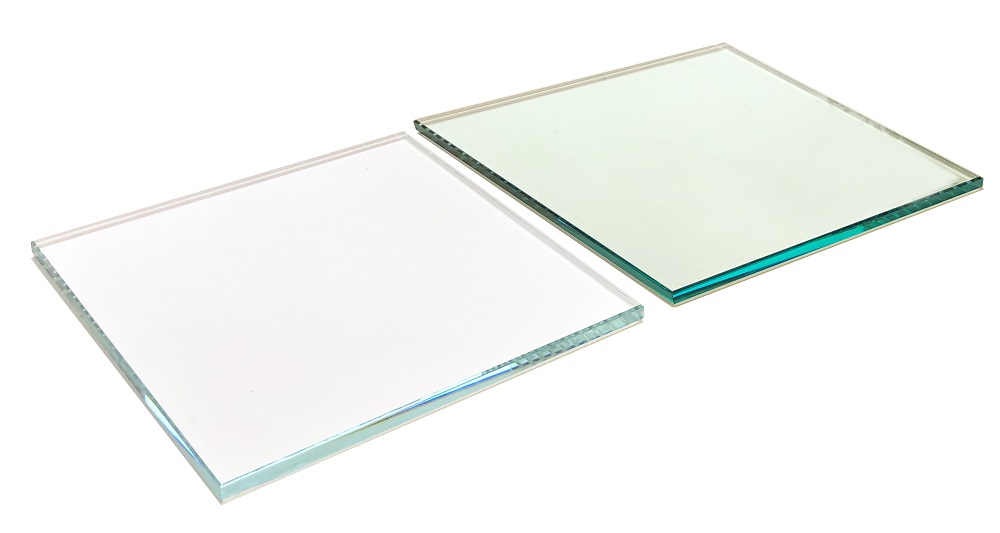
Removes the natural green tint found in standard glass, offering a crisp, ultra-clear finish. Perfect for light-coloured wood or high-end modern interiors. More details can be found on Pilkington Low-Iron Glass.

Tinted Tempered Glass

Available in grey, bronze, or black shades, tinted glass adds subtle colour, reduces glare, and hides fingerprints, making it popular for contemporary and luxury designs.

Frosted / Satin Tempered Glass

Provides privacy and a soft matte finish. Excellent for home office desks or decorative coffee tables, and hides minor scratches and smudges.

Edge Options and Design Considerations

The edges of a tempered glass table top are not only decorative but also important for safety. Common edge types include:

  • Polished Straight Edge: Clean, simple look for modern tables.
  • Bevelled Edge: Adds elegance and visual depth.
  • Rounded / Bullnose Edge: Safer choice for homes with children.
  • Seamed Edge: Minimalist finish that complements industrial designs.

Durability and Scratch Resistance

Tempered glass table tops are more resistant to scratches and impacts than standard glass. For added durability, laminated tempered glass can be used to ensure shards remain bonded if broken. The UK Government Approved Document K outlines standards for impact-resistant glazing, including furniture applications.

Maintenance Tips

  • Use soft, non-abrasive cloths and mild cleaning solutions.
  • Wipe spills promptly to avoid staining.
  • Inspect edges regularly for chips or cracks.
  • Avoid placing extremely hot items directly on the glass without protection.

Conclusion

Tempered glass table tops combine strength, safety, and aesthetic versatility, making them the best choice for modern homes. Their transparency enhances light flow and the perception of space, while their durability ensures longevity. From dining and coffee tables to office desks and kitchen islands, tempered glass is an elegant and practical investment.

Explore premium tempered glass table tops and learn more about custom options here.

FAQs

1. Are tempered glass table tops safe for children?

Yes. Tempered glass breaks into small, blunt pieces if shattered, significantly reducing injury risk.

2. Can I use a tempered glass table top outdoors?

Tempered glass is resistant to weather and thermal stress, but proper installation and support are necessary for outdoor furniture.

3. How do tinted or frosted tempered glass table tops differ from clear glass?

Tinted glass adds colour and reduces glare, while frosted glass offers a matte finish and hides fingerprints. Both maintain the strength of tempered glass.

4. How should I clean and maintain a tempered glass table top?

Use soft, non-abrasive cloths with mild glass cleaners. Avoid harsh scrubbing pads or chemicals that can scratch the surface.

5. Are low-iron tempered glass table tops worth the extra cost?

Low-iron glass removes the green tint found in standard glass, offering a crisp, ultra-clear finish, ideal for high-end designs and light-coloured furniture.

Tips

Applications of Tempered Glass in Home and Office Interiors

Nov 27, 2025

Applications of Tempered Glass in Home and Office Interiors

Tempered glass is a cornerstone of modern interior design, providing strength, safety, and aesthetic appeal. Unlike standard annealed glass, tempered glass is heat-treated to be up to five times stronger and shatters into small, blunt fragments, reducing injury risks. Its versatility makes it ideal for a wide range of applications in both residential and commercial settings.

For detailed information on tempered glass options and custom solutions, visit our dedicated guide here.

Why Tempered Glass Is Preferred in Interiors

Tempered glass offers a combination of benefits that make it suitable for modern interiors:

  • Safety: Shatters into small, blunt pieces instead of sharp shards.
  • Durability: Resistant to impact, bending, and thermal stress.
  • Versatility: Can be used for furniture, partitions, doors, balustrades, and decorative surfaces.
  • Aesthetic appeal: Provides a sleek, contemporary look while allowing natural light to flow.

Common Applications in Homes

1. Glass Table Tops

Tempered glass table tops are extremely popular in dining rooms, kitchens, and coffee tables. The strength allows for thinner panels without sacrificing durability, while polished or beveled edges enhance safety and elegance. Tempered glass is also ideal for protecting underlying wooden surfaces from scratches, spills, and heat.

Learn more about designing tempered glass table tops here.

2. Kitchen Splashbacks

Tempered glass is increasingly used as a kitchen splashback alternative to tiles. It is easy to clean, heat-resistant, and available in a variety of colours and finishes including frosted, tinted, and mirrored options. According to the Pilkington guidelines, tempered glass provides excellent heat resistance, making it perfect behind hobs or stoves.

3. Shower Enclosures

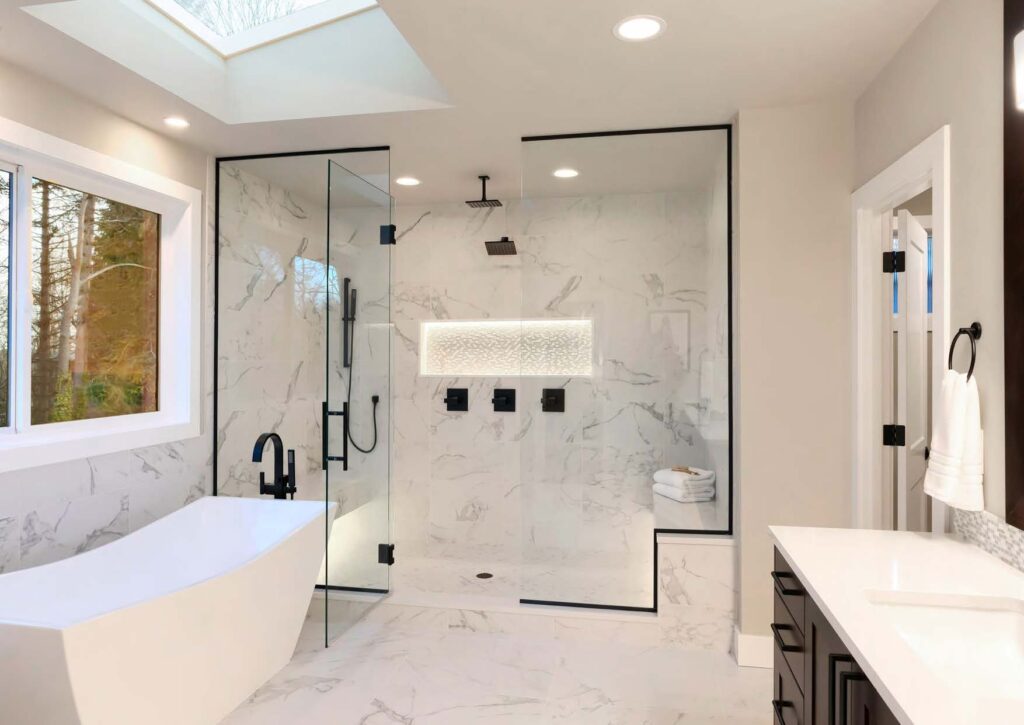
Safety and moisture resistance make tempered glass the standard choice for frameless or semi-frameless shower screens. Tempered panels prevent injury in case of accidental impact, and coatings or frosted finishes add privacy while maintaining a sleek appearance.

4. Doors and Partitions

Interior doors, room dividers, and stairwell partitions often use tempered glass for a modern, airy feel. Full-height panels allow light to pass while maintaining separation. Laminated tempered glass is recommended for added security in areas prone to heavy impact.

5. Balustrades and Staircases

Glass balustrades with tempered panels provide a minimalist design without compromising safety. UK building regulations, including Approved Document K, recommend tempered or laminated glass for balustrades to ensure structural integrity and prevent injuries.

Applications in Office Interiors

1. Desk and Conference Tables

Tempered glass creates an elegant and professional look for office desks and conference tables. It allows for thinner tops without compromising durability, and can be paired with wooden or metal frames for a modern aesthetic.

2. Office Partitions

Open-plan offices often use tempered glass partitions to delineate workspaces without reducing natural light flow. Frosted or tinted tempered glass provides privacy while maintaining a bright and open environment.

3. Glass Doors

Tempered glass doors in offices are common for conference rooms, reception areas, and private offices. They are durable, safe, and provide a transparent yet professional appearance. Optional safety films or laminated layers can further enhance security.

4. Wall Panels and Cladding

Tempered glass can also be used as wall panels or decorative cladding in office interiors. It allows creative expression with colours, prints, or backlighting, while remaining resistant to scratches and impact.

Additional Benefits of Tempered Glass in Interiors

  • Light reflection and space enhancement: Transparent glass maximizes natural light and creates a perception of spaciousness.
  • Hygiene: Smooth surfaces are easy to clean and resistant to bacteria accumulation.
  • Customization: Available in tinted, frosted, coloured, or patterned varieties.
  • Longevity: Tempered glass is highly durable and resistant to thermal shock, reducing the need for frequent replacements.

Maintenance Tips

  • Use non-abrasive cleaners and soft cloths to prevent scratches.
  • Inspect edges regularly for chips or cracks, especially in high-traffic areas.
  • Consider laminated tempered glass for high-risk areas such as staircases or conference rooms with heavy usage.
  • Always handle tempered panels by the centre rather than edges to avoid accidental damage.

Conclusion

Tempered glass is a versatile, safe, and stylish material suitable for a wide variety of home and office interior applications. From table tops and kitchen splashbacks to partitions and balustrades, its strength, durability, and aesthetic flexibility make it a top choice for modern design. For homeowners and interior designers looking to incorporate tempered glass in furniture or architectural features, professional suppliers and UK-certified products ensure compliance with safety regulations.

Explore our range of tempered glass solutions here for both home and office interiors.

FAQs

1. Is tempered glass safe for furniture?

Yes. Tempered glass is up to five times stronger than standard glass and breaks into small blunt fragments, reducing the risk of injury.

2. Can tempered glass be used in bathrooms?

Absolutely. Shower enclosures and splashbacks commonly use tempered glass for safety and moisture resistance.

3. What is the difference between tempered and laminated glass?

Tempered glass is heat-treated to increase strength, while laminated glass has an interlayer that holds shards together if broken, providing additional security.

4. How should tempered glass be cleaned?

Use soft, non-abrasive cloths and mild cleaning solutions to prevent scratching. Avoid harsh chemicals or scrubbing pads.

5. Does tinted or frosted tempered glass affect strength?

No. Tinting or frosting does not significantly reduce the strength of tempered glass, though laminated layers can further enhance durability and safety.

Tips

How Tempered Glass Breaks: Myths vs. Facts

Nov 27, 2025

How Tempered Glass Breaks: Myths vs. Facts

Tempered glass is widely used in furniture, windows, and table tops because it is stronger and safer than standard glass. However, misconceptions about how it breaks are common. Understanding the realities of tempered glass breakage helps homeowners make informed choices for safety and design.

Myth 1: Tempered Glass Never Breaks

Many people believe tempered glass is unbreakable. Fact: Tempered glass can break if subjected to sufficient force, sharp impact at weak points, or edge damage.

According to the Glass and Glazing Federation (GGF), tempered glass is up to five times stronger than regular annealed glass, but no glass is completely indestructible.

Myth 2: Tempered Glass Breaks in Large, Dangerous Shards

Fact: One of the main safety benefits of tempered glass is that it breaks into small, blunt fragments instead of sharp shards. This significantly reduces the risk of injury.

For example, Pilkington explains that these tiny fragments are often cube-shaped or granular, making them much safer than broken annealed glass.

Myth 3: Tempered Glass Breaks Easily

Fact: Tempered glass is heat-treated to withstand daily wear, impacts, and temperature changes far better than standard glass. Most breakage occurs only under unusual stress, such as:

  • Edge damage or chips
  • Excessive point load
  • Sudden, uneven thermal stress

Myth 4: Tempered Glass Breakage Is Predictable

Fact: While tempered glass is designed to fail safely, it can shatter unexpectedly if its edges are weakened or if it contains inclusions such as nickel sulphide. This is why manufacturers follow strict standards such as UK Approved Document K for impact-resistant glazing.

Tips to Minimise Breakage Risk

  • Handle glass by the centre, avoiding direct pressure on edges or corners
  • Ensure installation surfaces are smooth and properly cushioned
  • Use tempered glass appropriate for the intended application (e.g., table tops, partitions, doors)

For more information on tempered glass types, safety, and applications, visit our detailed guide here.

Tips

Scratch Resistance and Durability Differences Between Glass Types

Nov 27, 2025

Scratch Resistance and Durability Differences Between Glass Types

When choosing a glass table top or protective surface, it’s crucial to understand how different types of glass perform in terms of scratch resistance and durability. Factors such as thickness, composition, and treatment method affect how well the glass withstands daily wear and accidental impacts.

1. Clear Glass

Standard clear glass is commonly used in furniture and offers a clean, affordable option. However, it is softer than treated alternatives.

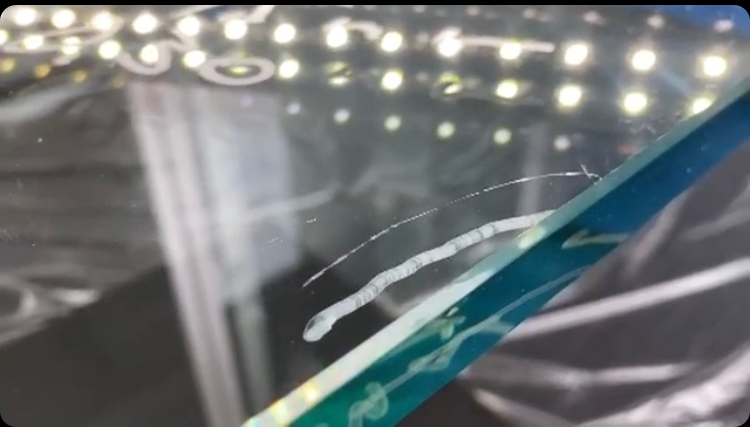
  • Scratch resistance: Moderate – prone to fine scratches from metal objects or abrasive cleaners.
  • Durability: Lower than tempered or laminated glass; may shatter into large, sharp pieces if broken.

For standard clear glass safety guidance, refer to the Glass and Glazing Federation.

2. Low-Iron Glass (Ultra Clear)

Low-iron glass removes most of the green tint found in standard clear glass. Its chemical composition is similar to clear glass, so durability is comparable unless additionally treated.

  • Scratch resistance: Slightly better than standard clear if polished carefully.
  • Durability: Similar to clear glass; can be tempered or laminated for higher impact resistance.

Learn more about low-iron glass properties from Pilkington Low-Iron Glass.

3. Tinted Glass

Tinted glass includes grey, bronze, or black shades. It is chemically similar to clear glass, but certain dark pigments can slightly improve scratch resistance.

  • Scratch resistance: Moderate – pigment may hide minor surface scratches better than clear glass.
  • Durability: Comparable to clear glass; tempered or laminated variants offer higher resistance to breakage.

UK standards for safe glass are outlined by the Glass and Glazing Federation.

4. Frosted / Satin Glass

Frosted glass has a matte, acid-etched, or sandblasted surface. The roughened surface is more prone to superficial scratches but less obvious due to the matte finish.

  • Scratch resistance: Surface scratches are possible but usually less visible.
  • Durability: Similar to clear glass; tempered frosted glass provides maximum safety.

For professional guidance on frosted glass safety and durability, see Pilkington Frosted Glass.

5. Tempered vs Laminated Glass

For any type of glass, tempering and lamination greatly enhance scratch resistance and durability:

  • Tempered glass: Heat-treated to increase strength 4–5 times over standard glass; breaks into small blunt fragments instead of sharp shards.
  • Laminated glass: Two or more layers bonded with an interlayer; holds together if broken and resists impact better.

Read more about safety and durability standards for toughened and laminated glass from the UK Government Approved Document K.

For homeowners looking for a high-quality, durable glass table top that protects wood furniture while providing aesthetic appeal, you can learn more here.

Tips

How to Choose the Right Glass Type (Clear, Low-Iron, Tinted, Frosted)

Nov 27, 2025

How to Choose the Right Glass Type (Clear, Low-Iron, Tinted, Frosted)

Choosing the right glass type can completely transform the look of your table top or interior feature. Here’s a breakdown of the most popular options and when to use each one.

1. Clear Glass

Clear glass is the most common choice for table tops and furniture. It suits all décor styles and offers a clean, traditional appearance.

Best for:

  • Dining tables
  • Coffee tables
  • Display furniture
  • Budget-friendly projects

Pros:

  • Most affordable option
  • Neutral look
  • Versatile for any interior style

Cons:

  • Has a natural green tint (more visible on thicker glass)
  • May slightly distort the colour of light-tone wood

2. Low-Iron Glass (Ultra Clear / Optiwhite)

Low-iron glass contains far less iron than standard clear glass, which removes the green tint and produces an ultra-clear, premium appearance. Learn more from Pilkington Low-Iron Glass.

Best for:

  • Luxury modern interiors
  • Light wood tables (oak, ash, maple)
  • High-end furniture projects

Pros:

  • No green tint – true colour visibility
  • Bright, crisp, high-end appearance
  • Perfect for design-focused spaces

Cons:

  • Higher cost compared to standard clear
  • Less necessary for dark woods or black furniture

3. Tinted Glass (Grey, Bronze, Black)

Tinted glass adds colour, depth, and mood. Popular shades include grey, bronze, and black, ideal for modern and luxury styling. For UK safety and quality standards, refer to the Glass and Glazing Federation guidance.

Best for:

  • Contemporary interiors
  • Dark furniture
  • Moody or dramatic design themes

Pros:

  • Stylish smoked effect
  • Reduces glare
  • Helps hide fingerprints

Cons:

  • Darkens the table visually
  • Colour shade may vary slightly between manufacturers
  • Typically costs more than clear glass

4. Frosted Glass (Acid-Etched / Satin)

Frosted glass provides a smooth matte finish that scatters light and offers partial privacy. It’s ideal for modern, minimalist, or Scandinavian interiors. For more professional-grade frosted options, see Pilkington Frosted Glass.

Best for:

  • Minimalist or Scandinavian interiors
  • Work desks and home offices
  • Semi-private partitions

Pros:

  • Excellent at hiding fingerprints
  • Soft, elegant, diffused look
  • Provides mild privacy

Cons:

  • Cannot be “un-frosted” later
  • Slightly more expensive than clear glass

For high-quality custom glass table tops suitable for any of these types, you can learn more here.