Tips

Tips

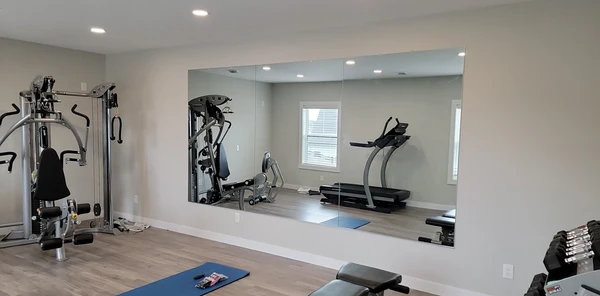
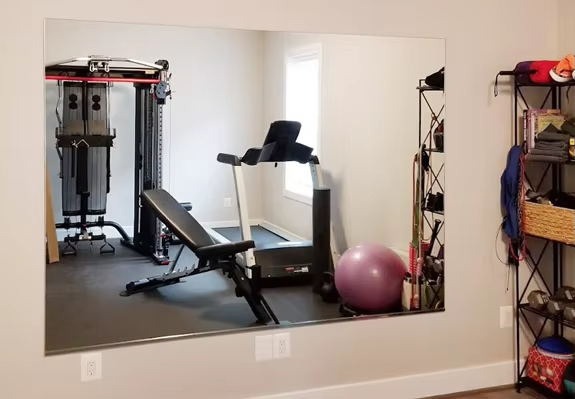
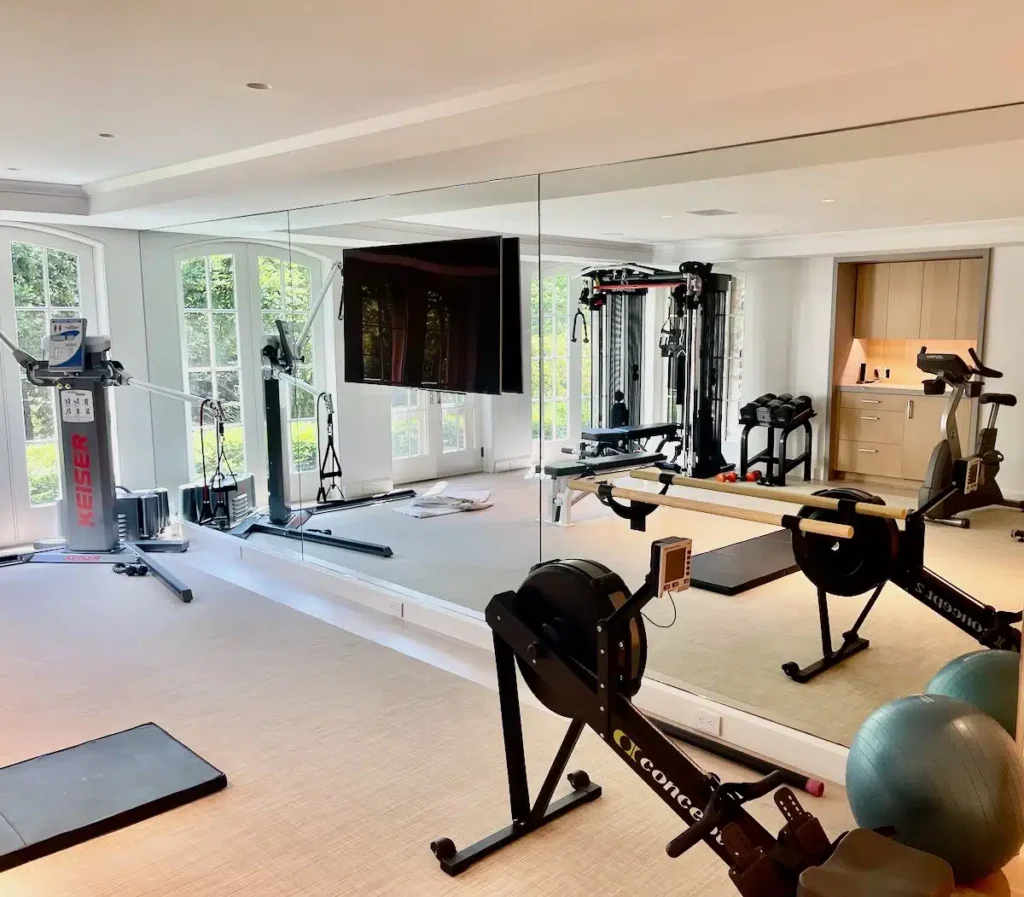
Why Proper Installation of Gym Mirrors Matters

Nov 25, 2025

Why Proper Installation of Gym Mirrors Matters

  • Safety: Gyms are high-traffic areas. Mirrors should be safety-backed or use tempered glass to minimise risk. commercialmirrors.co.uk+2Glass Installations+2
  • Durability: Heavy mirrors need the right fixings (channels, adhesive, J‑bars) to stay securely mounted over time. Glass Installations+1
  • Image Clarity: Poorly installed or warped mirrors distort reflections, which defeats their purpose for form-checking.
  • Compliance: Quality installers follow British safety standards (e.g., BS 6206). Glass Installations+1

Key Players for Gym Mirror Installation in the UK

Here are some reputable UK-based suppliers and installers for gym mirrors:

  • Aspect Safety Mirrors / ASM (gymmirror.co.uk): A leading supplier and installer of safety mirrors for gyms and studios across the UK. gymmirror.co.uk
  • Glass Installations Ltd: Experts in “high impact” gym mirror systems. Their Image 18 mirrors are mechanically fixed, safety-back certified, and meet BS6206 / EN12600. Glass Installations+1
  • Mirror Wall UK: They provide made-to-measure, floor-to-ceiling mirror walls. Their installation system uses polished aluminium rails (avoiding visible screws) for a clean finish. mirrorwall.co.uk+1
  • Gym & Dance Mirrors Direct: “Easy-fit” framed mirrors with Z‑channel mounting, and they supply a full fixing kit for DIY or professional installation. Gym & Dance Mirrors
  • MirrorInstallation.co.uk: Offers bespoke commercial mirror installation services across the UK. mirrorinstallation.co.uk
  • CreoGlass®: Supplies and installs precision-cut gym mirrors for both home gyms and commercial use. CreoGlass®
  • Chandler Sports: Custom-cut safety-backed gym mirrors, plus installation advice / service. Chandler Sports

Products / Materials to Use

Here are some mirror types commonly used in UK gym mirror installations:

Here are some highlighted products:

  • 6 mm Safety‑Back Gym Mirror — Thick, shatter-resistant mirror ideal for gyms.
  • 4 mm Safety‑Back Gym Mirror — Lighter option; good for large panel coverage.
  • Frameless Gym Mirror Tile — Smaller tiles, great for modular layouts.
  • High‑Impact Studio Mirror Panel — Built for high-usage commercial studios.

(Note: These are example product types — for a real project, you would pick based on supplier inventory and your gym layout.)


Step-by-Step Guide to Installing Gym Mirrors

  1. Site Survey & Measurement
    • Measure wall height and width very precisely.
    • Check wall surface: is it brick, plasterboard, or concrete? Uneven surfaces may need batons or additional framing. Glass Installations
    • Identify any obstacles (sockets, pipes) — mirror panels may need cut-outs.
  2. Choose the Right Mirror Material
    • For safety: use safety-backed glass or tempered glass.
    • For large panels, 6 mm thickness is common for strength. Chandler Sports+1
    • Decide on framing or frameless design. Some companies (like MirrorWall) use channel systems to avoid screw fixings. mirrorwall.co.uk
  3. Fixing Method
    • Use J‑channel rails (top and bottom) for secure mounting + mirror adhesive for secondary fix. Glass Installations+1
    • For framed mirrors: Z‑channels (as used by Gym & Dance Mirrors Direct) are effective and allow spacing off the wall for airflow. Gym & Dance Mirrors
    • Mechanical fixing (clips) is often safer, especially for large or heavy mirrors.
  4. Installation Process
    • Install bottom rail / channel first, then top, making sure everything is level.
    • Apply mirror mastic / adhesive as recommended. Ensure the correct type for your wall material.
    • Carefully place each mirror panel, align, and press into position.
    • If using safety-backed mirrors, make sure the backing is clean and intact.
  5. Finishing & Safety
    • Use polished or bevelled edge finish to reduce sharpness. Glass Installations
    • For free weights areas, consider adding aluminium checker plate protection at the bottom to guard the mirror from dropped weights. Glass Installations
    • Clean the mirror with non-abrasive, glass-safe cleaners after installation.
  6. Inspection & Maintenance
    • Inspect mounting after installation to make sure panels are secure.
    • Educate gym users / staff: avoid banging weights into mirror walls.
    • Maintain by cleaning monthly and checking for any loosening over time.

Typical Cost Ranges

  • According to Commercial Mirrors UK, full mirrored wall fit-outs in a gym setting can range significantly depending on panel size, safety backing, and installation. commercialmirrors.co.uk
  • For large commercial jobs or custom installs, using a specialist installer (like Glass Installations Ltd) may add labour cost but ensures safety & quality. Glass Installations
  • For smaller mirror installations or home gyms, companies like MirrorFit offer ready-made mirrors + adhesive for DIY installation. MirrorFit

Things to Watch Out For / Mistakes to Avoid

  • Don’t assume any wall can hold heavy mirror panels — check the wall structure and strength.
  • Use correct adhesive: some people on DIY forums recommend special mirror mastics and warning against generic construction adhesives. Reddit
  • Make sure you leave a very small gap (or use J-channels) between panels to avoid stress and allow for thermal expansion.
  • Verify that the mirror supplier or installer meets safety standards (BS 6206, EN 12600, etc.). Glass Installations
  • Plan for long-term maintenance: plan cleaning and periodic checks for security.

Why Use a Specialist (or Contractor) Rather Than DIY

  • Safety: Professionals know how to fix mirrors securely and safely, minimizing risk.
  • Precision: Specialist installers do site surveys, cut mirrors to exact sizes, and install with correct fixings.
  • Compliance: They’ll ensure adherence to British safety standards.
  • Durability: Expertly installed mirrors last longer, reducing the risk of warping, cracking or coming loose.
Tips

Top 5 Mirror Wall Layouts for Commercial Gyms

Nov 25, 2025

Creating the perfect gym environment goes beyond equipment and lighting — mirror placement plays a vital role in improving workout efficiency, safety, and aesthetics. A well-designed mirror wall layout can enhance spatial perception, provide feedback for proper form, and elevate the overall look of a commercial fitness space.

If you’re considering a mirror wall for your gym, check out Glass Mirror Pro’s premium gym mirror solutions here for made-to-measure options tailored to your space.


1. Full-Length Wall Panels

One of the most popular commercial gym mirror layouts is the full-length wall panel. These panels cover an entire wall from floor to ceiling, providing gym-goers with a continuous reflective surface.

Benefits:

  • Maximum visibility: Users can check their posture and alignment from head to toe.
  • Seamless aesthetic: Large panels create a sleek, professional look.
  • Enhanced space perception: Mirrors reflect light and create a sense of a larger, more open gym.

Tip: Ensure panels are safety-backed or tempered to prevent injuries, especially in high-traffic areas. (Saint-Gobain Glass)


2. Segmented Modular Layouts

Segmented or modular mirror layouts involve dividing a wall into several panels, often separated by thin frames or channels. This approach is practical for gyms with uneven walls, structural obstacles, or multiple entrances.

Benefits:

  • Easier installation and replacement of individual panels.
  • Flexible customization — panels can be resized or rearranged.
  • Maintains structural integrity on walls that may not support a single large sheet.

Design Tip: Keep the gaps minimal between panels to maintain a nearly seamless reflection. (Commercial Glass Partitions)


3. Mirror with Framed Sections

Some gyms opt for framed mirror sections as part of their interior design. These frames can be wood, aluminum, or powder-coated metal, creating a structured, architectural look.

Benefits:

  • Adds a decorative element while maintaining reflective functionality.
  • Frames protect mirror edges and reduce the risk of chipping.
  • Ideal for boutique gyms, yoga studios, or pilates centers looking for a premium feel.

Tip: Pair framed mirrors with tempered glass to maximize safety in busy gym areas. (Seavall Glass)


4. Mirrors on Multiple Walls

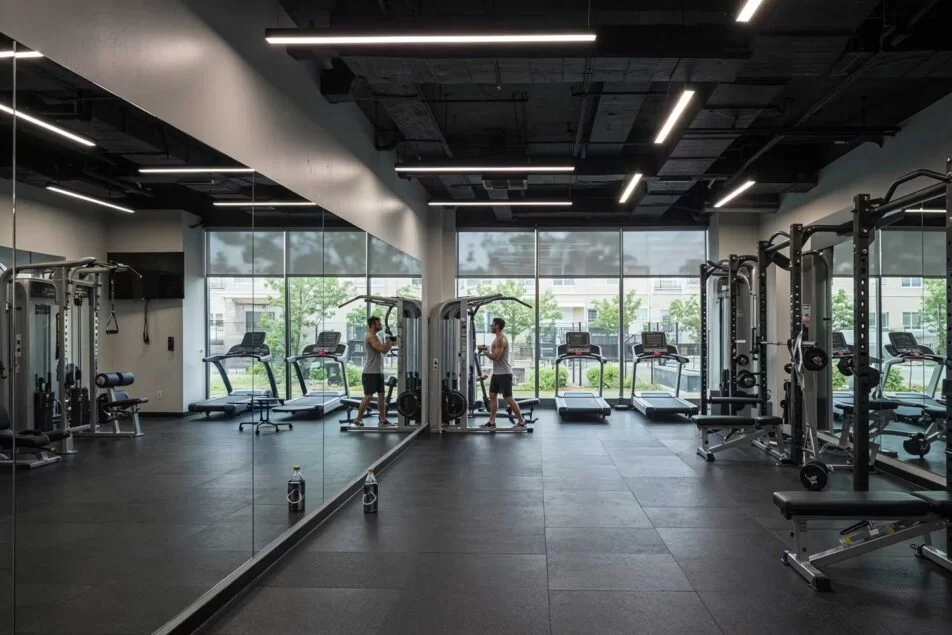
Installing mirrors on more than one wall creates an immersive gym experience. For example, a cardio area can have mirrors on two opposing walls to enhance depth perception and motivation.

Benefits:

  • Increases light reflection, brightening the space naturally.
  • Provides multiple angles for exercise feedback.
  • Makes small gyms feel larger and less claustrophobic.

Consideration: Be careful to avoid excessive reflection that can cause glare or distraction. Adjustable lighting and anti-glare mirror coatings can help. (Luxe Glass LV)


5. Custom-Cut Feature Panels

For gyms with unique architectural features or equipment layouts, custom-cut mirror panels allow for precise fitting around corners, vents, or wall niches.

Benefits:

  • Tailored fit for irregular walls or complex layouts.
  • Optimizes wall space without compromising safety or aesthetics.
  • Can include decorative features, tinted edges, or anti-shatter backing for added style and security.

Tip: Work with a specialist to get exact measurements and professional installation. Glass Mirror Pro offers made-to-measure gym mirrors that can be customized for any commercial space.


Additional Considerations for Commercial Gym Mirror Walls

  1. Safety First: Always opt for tempered or safety-backed mirrors, especially in high-traffic gyms.
  2. Proper Mounting: Use J-bars, mirror clips, or professional-grade adhesives to secure large panels.
  3. Maintenance: Choose mirrors that are easy to clean with non-abrasive solutions.
  4. Lighting & Positioning: Ensure mirrors are positioned to avoid glare from windows or overhead lights.

Conclusion

Choosing the right mirror wall layout can elevate your commercial gym from ordinary to exceptional. Whether you prefer full-length panels, segmented layouts, or custom-cut feature walls, the key is balancing aesthetics, functionality, and safety.

For high-quality, made-to-measure gym mirrors that fit your commercial space perfectly, check out Glass Mirror Pro: Explore Gym Mirrors. Their expert team ensures precise measurement, professional installation, and premium mirror solutions that last.

Tips

What Are Mirrored Gym Wall Panels?

Nov 25, 2025

Mirrored gym wall panels are large, flat panels (usually glass or mirror‑sheet) installed on gym walls to create a reflective surface. Unlike standalone mirrors, these panels are designed to cover significant wall areas, forming a mirror wall that helps gym-goers observe form, improve technique, and boost spatial awareness while training.

These panels might be:

  • Glass mirror panels (safety-backed or tempered)
  • Acrylic or laminate mirror sheets (lighter, safer alternatives)
  • Modular / partition-style mirror wall systems using aluminum framing + mirrored glass

Why Use Mirrored Wall Panels in a Gym

Here are the main benefits:

  1. Form Correction & Technique
    Seeing yourself in the mirror helps with posture, alignment, and execution of movements — especially during weightlifting, yoga, or functional training. A-1 Glass & Mirror+2Summit Glazing Solutions+2
  2. Motivation & Focus
    Reflective surfaces provide immediate visual feedback, which can motivate trainees and keep them mentally engaged. The Glass Guru+1
  3. Perception of Space
    Mirror panels make a gym feel larger and brighter by reflecting light and doubling perceived depth. Luxe Residential and Commercial Glass+1
  4. Safer Environment
    With a broad view via mirror wall panels, users can be more aware of their surroundings — reducing the risk of bumping into equipment or other people. Summit Glazing Solutions
  5. Professional Aesthetic
    Mirrored panels give a sleek, studio-like finish to a gym, which is especially important in commercial fitness centers. Summit Glazing Solutions
  6. Versatility & Customization
    Mirror wall panels can be custom-cut, tinted, or designed with safety backing, making them adaptable to different gym designs and usage. Kova

Types of Mirrored Wall Panels for Gyms

Here are some common types:

  1. Safety-Backed Glass Panels
    • These are glass mirrors with a safety film or acrylic backing.
    • For example, G.James’s MirrorLite offers a “safety‑backed” version specifically for gymnasiums. G.James Glass & Aluminium+1
    • This kind of backing helps hold fragments if the glass breaks, improving safety. Glass Installations
  2. Tempered / Toughened Glass Panels
    • Toughened mirrors are stronger and more impact-resistant.
    • Companies like CGP manufacture mirrored wall systems with 1/4″ (≈6 mm) glass for gym walls. CGP
  3. Laminate or Acrylic Mirror Sheets
    • Lightweight and shatter-safe alternatives to real glass.
    • For example, StyleLite Mirror is a laminate mirror panel that doesn’t shatter. SSI North America
  4. Vinyl- or Film-Backed Mirrors
    • Mirrors backed with vinyl film are also a safety option.
    • Viridian’s “DécorMirror Safe™” is a mirror with a smooth vinyl film backing, suitable for gym wall panels. Viridian Glass

Things to Consider When Choosing Mirrored Wall Panels

Here are key factors to keep in mind when planning mirrored wall panels:

  • Glass Thickness & Quality: Thicker glass (e.g. 6 mm) offers more rigidity and less risk of warping. Accio
  • Safety Standards: Make sure mirrors comply with relevant safety standards (e.g., safety-backed glass, tempered). regalshowerscreens.com
  • Mounting Method: Panels should be installed with appropriate hardware — J-channels, mirror clips, or professionally mounted wall systems. Glass Installations
  • Panel Size & Seam Placement: Large, uninterrupted mirror walls look more professional and provide better visual feedback. CGP+1
  • Maintenance: Mirror panels need regular cleaning with safe, non-abrasive cleaners to maintain clarity and avoid damaging backing.
  • Customization: Consider cut-outs (for outlets or equipment), edge finishes, or tinted mirrors depending on your design. Kova
  • Lighting: Since mirrors reflect light, strategically placing light sources can reduce glare and create a more comfortable workout environment. Glass Components UK

Common Uses / Applications

  • Commercial Gyms: Mirror walls in training zones, cardio rooms, or group fitness studios.
  • Home Gyms: Mirror wall panels help maximize small spaces and provide form feedback. A-1 Glass & Mirror
  • Dance / Yoga Studios: Large mirrored panels help with alignment, poses, and choreography.
  • Boutique Fitness / Wellness Spaces: Used in wellness centers, boutique gyms, or pilates studios for aesthetics and function. Kova

Risks / Challenges & How to Mitigate Them

  • Breakage Risk: Poorly installed or low-quality panels can crack or shatter. Use safety-backed or tempered glass to reduce risk.
  • Distortion: Cheap mirror panels may warp. Ensure high-quality glass and proper installation to maintain clarity. Accio
  • Installation Complexity: Installing large mirror panels is not trivial — it requires precise measurements and the right mounting.
  • Weight: Glass panels are heavy, so ensure your wall structure can support them safely.
  • Cost: Mirror wall panels (especially safety or tempered glass) can be costly; but they add major value to a gym’s appearance and utility. Mirrors Delivered

Recommended Material Options / Suppliers

Here are some materials and suppliers to consider:

  • CGP Mirrored Walls: Factory-made mirror wall systems with aluminum profiles. CGP
  • G.James MirrorLite: Safety-backed mirror sheets designed for gym or studio walls. G.James Glass & Aluminium
  • Viridian DécorMirror Safe™: Vinyl-backed mirror that’s safer and suitable for high-use panels. Viridian Glass
  • Summit Glazing Solutions: Offers custom gym mirror wall installations. Summit Glazing Solutions

Why Consider a Specialist Like GlassMirrorPro

If you’re building or upgrading a gym and want high-quality, custom mirrored wall panels, a specialist like Glass Mirror Pro can help. They provide tailored gym mirror solutions (panel sizes, safety backing, edge finishes) that are designed specifically for fitness environments. You can explore their gym mirror wall options on their website: Gym Mirror Panels – Glass Mirror Pro

Working with a specialist ensures:

  • Proper measurement and fabrication
  • Safety-rated glass selection
  • Expert installation (minimizing risk)
  • Long-term durability

Conclusion

Mirrored gym wall panels are a powerful tool for both performance and design. They help athletes correct form, boost motivation, and make workout environments feel more open and professional. But choosing the right type of panel — whether safety-backed glass, laminate mirror, or framed mirrored wall systems — and installing them correctly is key.

If you’re looking for a proven solution, working with a mirror specialist like Glass Mirror Pro is a smart investment. Let me know if you want help designing a mirror wall layout or estimating costs!

Tips

What Is a Safety‑Backed Gym Mirror?

Nov 25, 2025

A safety‑backed gym mirror is a mirror designed with a special backing layer (such as a vinyl or anti‑shatter film) attached to the rear of the glass. This backing helps ensure that if the mirror breaks, the glass fragments do not scatter dangerously, but remain held in place by the film or resin, significantly reducing the risk of injury.

Some safety mirrors also use anti-shatter resin, where the coating is applied during manufacturing so that the shards remain attached to the backing upon impact. saint-gobain-glass.pl+1


Why Use Safety‑Backed Mirrors in Gyms

  1. Increased Safety
    Gyms are active environments — weights can fall, equipment can bump into walls, and people move fast. Safety‑backed mirrors reduce the risk of dangerous glass shards if an accident happens. sunkingbath.com According to safety-mirror specialists, using quality safety-rated glass in gym settings helps manage the risk associated with high-impact or high-traffic environments. regalshowerscreens.com
  2. Durability & Longevity
    The backing (film or resin) helps stabilize the mirror and can maintain the structural integrity even after minor damage. For example, Saint-Gobain’s Miralite® EASYSAFE uses a resin that retains about 98% of fragments upon breakage. saint-gobain-glass.pl+1
  3. Better Handling & Installation
    Safety-backed mirrors are typically easier and safer to handle, cut, grind, or drill because they’re more resistant to dangerous breakage. saint-gobain-glass.pl
  4. Psychological & Functional Benefits
    Just like regular gym mirrors, safety mirrors give real-time feedback on form, helping athletes self-correct movements. sportsmirrorsaustralia.com.au
  5. Compliance with Safety Standards
    Well-made safety-backed mirrors often comply with relevant glazing safety norms, making them more suitable for public or commercial gym spaces. Viridian Glass+1

Types of Safety‑Backed Mirrors for Gyms

  • Vinyl‑Backed Mirrors: A common method which uses a vinyl safety film on the mirrored side, holding shattered glass in place. cnsinoy.en.made-in-china.com+1
  • Resin-Backed Mirrors: Mirrors like Miralite® EASYSAFE incorporate a resin layer during production that keeps shards attached without needing an extra film. saint-gobain-glass.pl
  • Laminated Glass: Two glass sheets bonded with an interlayer (e.g., PVB) can also act as a safety mirror, though this is more common in architectural glazing than in gym mirror walls.

What to Consider When Choosing a Safety‑Backed Gym Mirror

When selecting a safety-backed mirror for gym use, think about these key factors:

  1. Glass Thickness
    Safety mirrors for gyms typically come in a range of thicknesses. Depending on risk and usage, you might opt for a thicker mirror to improve strength and reduce flex. Accio
  2. Backing Quality
    Not all safety films or resins are created equal. Ask about the type (vinyl, resin), its performance under impact, and whether it meets a standard like EN 12600 or ANSI Z97.1. Accio+1
  3. Edge Finish
    Polished edges reduce sharpness and risk of chipping; combined with a backing, they make the mirror safer to handle during installation. gymmirror.co.uk
  4. Mounting Method
    Use the right fixings — mechanical clips or channels are often safer than relying purely on adhesive, especially for large panels. regalshowerscreens.com
  5. Maintenance
    Clean with non-abrasive cleaners; avoid harsh chemicals that might degrade the mirror’s backing. cnthrikingglass.com
  6. Specification
    Identify whether you need waterproof safety mirrors (especially in high-humidity areas) or low-iron clarity, and choose a manufacturer accordingly. cnsinoy.en.made-in-china.com

Examples / Product Types

  • Saint-Gobain MIRALITE® EASYSAFE — A high-performance mirror that uses anti-shatter resin instead of film. saint-gobain-glass.pl
  • Dantalux Safety‑Back Mirror — Uses a polyethylene film on the back; complies with high-grade safety glazing standards. asg.co.id
  • Low‑Iron Safety Mirrors — Some suppliers like gym mirror specialists provide safety-backed mirrors made of low-iron glass for better clarity. bullseyezoujaj.com

Why Choose a Specialist Like Glass Mirror Pro

For a gym environment where safety is a priority, using a safety-backed mirror solution from a specialist is a smart move. Glass Mirror Pro offers gym mirror systems that can be tailored with safety backing, correct thickness, and proper installation to match your exact gym layout. You can check out their gym mirror options here: Gym Mirror Solutions at Glass Mirror Pro.

Working with an expert ensures:

  • Compliance with safety standards
  • Precise manufacturing (cut to size)
  • Secure and professional installation
  • Durability to withstand high-traffic gym use

Risks of Not Using Safety‑Backed Mirrors

  • Without a safety backing, a broken mirror can dangerously fragment, leading to serious injury. cnthrikingglass.com
  • Poor mounting or wrong fixings can cause a mirror to detach or crack under stress. Reddit
  • DIY installations without proper material or backing may fail safety inspections or be non-compliant with building codes. regalshowerscreens.com

Conclusion

Safety‑backed gym mirrors offer a much better risk profile compared to standard mirrors, especially in active or commercial gym environments. They combine clarity and form-feedback benefits with added protection against dangerous breakage. By choosing quality safety-backed glass (or resin-backed mirrors), ensuring proper installation, and working with reliable suppliers like Glass Mirror Pro, you can create a gym space that’s both functional and safe.

Tips

What Is a Made-to-Measure Gym Mirror?

Nov 25, 2025

What Is a Made-to-Measure Gym Mirror?

A made-to-measure (custom) gym mirror is a mirror that’s cut and manufactured to the exact dimensions of your gym wall or space. Instead of buying pre-set sizes, you provide your measurements (height, width, thickness, any cut-outs), and the glass fabricator makes mirrors that precisely fit.

These mirrors are especially useful for:

  • Floor-to-ceiling walls
  • Irregularly shaped gym walls
  • Spaces with obstacles (like vents or electrical sockets)
  • High-quality, seamless mirror installations

Why Choose a Made-to-Measure Gym Mirror

  1. Perfect Fit
    Rather than forcing standard mirrors into awkward spaces, custom mirrors can be tailored to the exact wall dimensions. This leads to a cleaner, more professional finish.
  2. Seamless Look
    With made-to-measure mirrors, you can minimize or eliminate the number of seams/gaps between panels, giving a more continuous reflective surface — ideal for form checking during workouts.
  3. Safety & Durability
    When ordering custom mirrors, you can choose the right specification for glass thickness and backing (e.g., 6 mm glass or safety-backed glass) based on how your gym is used. That means stronger, safer mirrors in a high-traffic or weightlifting area.
  4. Custom Cut-Outs & Shapes
    If your wall has features like electrical outlets, mirrors can be ordered with precise cut-outs or drilled holes. Some fabricators even offer radius corners or non-rectangular shapes. For example, A&E Glazing lets you specify cut holes or radius corners in their custom gym mirrors. A&E Glazing
  5. Aesthetic Flexibility
    You can choose mirror edge finishes (polished, raw, framed), mirror thickness (4 mm or 6 mm), and other options. Made2Measure offers 4 mm and 6 mm gym mirrors cut to size. made2measure.co.uk+2made2measure.co.uk+2
  6. Optimized for Safety
    Many custom mirror providers offer safety-backed mirrors or mirrors with polished edges to reduce risk of injury. For example, Chandler Sports offers made-to-measure mirrors with 4 mm or 6 mm thickness and safety backing. Chandler Sports

Things to Consider When Ordering

When you order a made-to-measure gym mirror, here are the key factors to think through:

  1. Glass Thickness
    • 4 mm: lighter, cheaper, good for lower-risk or home gyms. But if the wall isn’t perfectly flat, 4 mm can flex or distort. made2measure.co.uk
    • 6 mm (or more): more rigid, better suited for commercial gyms or high-usage walls. Made2Measure offers 6 mm mirrors with more shape options. made2measure.co.uk
  2. Backing / Safety
    • Use safety‑backed ribbon or film so that if the mirror breaks, shards stay together.
    • Ask the fabricator about options for reinforced or laminated glass.
  3. Edge Finish
    • Polished edges are smoother and safer to touch.
    • Raw edges may be cheaper, but are sharp unless recessed or framed.
  4. Mounting Method
    • For large custom mirrors, use proper mirror clips, J‑bar channels, or strong mirror adhesives.
    • Make sure your wall is structurally sound and flat.
  5. Cut-Outs / Holes
    • If you need holes for outlets, light switches, or other features, specify their size and placement precisely.
    • Some fabricators (like A&E Glazing) allow for drilled holes or radius corners. A&E Glazing
  6. Tolerances
    • Custom mirror services usually have some tolerance on dimensions. For example, Made2Measure notes tolerances in the millimeter range. made2measure.co.uk
    • Provide very accurate measurements to avoid ill-fitting panels.
  7. Lead Time
    • Custom mirrors take longer to manufacture than stock mirrors. Confirm the lead time with the fabricator.
    • Ask about delivery options and how mirrors will be packaged — large custom mirrors can be heavy and fragile.
  8. Cleaning & Maintenance
    • Use non-abrasive cleaners.
    • Check mountings regularly to make sure everything remains secure because a large mirror can be dangerous if it falls.

Where to Order

Here are a few places / providers that offer made-to-measure gym mirrors or similar custom mirrors:

  • A&E Glazing (UK) — They offer custom gym mirrors made from 6 mm glass with polished edges, plus options for holes or custom shapes. A&E Glazing
  • Made2Measure (UK) — They have gym mirrors cut to size in 4 mm and 6 mm thickness. made2measure.co.uk+1
  • Chandler Sports — They manufacture made-to-measure gym mirrors with a millimeter-precise cut, safety backing, and 4 or 6 mm glass. Chandler Sports

Why Work With a Specialist Like GlassMirrorPro

If you’re looking for truly custom, high-quality gym mirrors, Glass Mirror Pro is an excellent choice. They specialize in gym mirror solutions, and can provide made-to-measure mirrors tailored to your gym’s exact dimensions and needs — from safety backing to size, edge finish, and installation. You can explore their gym mirror offerings here: glassmirrorpro gym mirrors.

By working with a specialist, you benefit from expertise, quality glass, correct installation, and long-term durability — all of which are important when you’re investing in large, custom mirrors for a fitness space.


Conclusion

  • A made-to-measure gym mirror offers a tailored, seamless, and professional look.
  • It allows for custom sizes, cut-outs, and material choices.
  • Prioritize safety with the right glass thickness and backing.
  • Use a reputable mirror fabricator to ensure accuracy and durability.
  • For custom gym mirror solutions, Glass Mirror Pro is a great specialist to consider: check out their gym mirror page here.
Tips

What Makes Commercial Gym Mirrors Different

Nov 25, 2025

  1. Safety & Durability
    • In a busy gym environment, mirrors must be tough. Commercial gym mirrors typically use tempered glass or safety-backed glass to reduce the risk of serious injury if cracked or broken. The Glass Guys+2The Glass Guys+2
    • According to installation guides, panels should have breathing space behind them to avoid moisture build-up that can damage the backing. Walker Glass
    • For high-impact areas (e.g., free-weight zones), designers often incorporate safety films or reinforce with secure mechanical fixings. commercialmirrors.co.uk+1
  2. Size & Coverage
    • Commercial gyms often use large-format mirror panels, sometimes full wall or floor-to-ceiling, so users can clearly see their form across exercises. commercialmirrors.co.uk
    • Guidelines suggest starting mirror walls a certain height above the floor (so seated users or those doing floor exercises can still see properly) and ensuring the top edge is high enough for full visibility. Coloria Group
    • When multiple panels are used, it’s crucial to maintain small gaps (e.g., 1 mm) between mirrors for expansion and to avoid distortion. Guardian Glass
  3. Psychological & Functional Benefits
    • Mirrors help gym-goers monitor their form in real-time, which helps with technique correction and injury prevention. Dr Workout
    • They also boost motivation: seeing your own reflection during workouts tends to increase focus and effort. eliteglassgoldcoast.com.au
    • From a trainer’s perspective, mirrors offer better visibility of clients, helping to spot imbalances or unsafe positions. hangarhpc.com
    • Also, mirrored walls can create an illusion of more space and reflect light, making the gym feel larger and brighter. empire-fitness-services.com
  4. Interactive & Smart Mirrors
    • Some modern gyms are installing interactive or smart mirrors that double as virtual trainers or display workout metrics, providing guided training directly in the mirror. mues-tec.com
    • These mirrors can also be a value-add for commercial gyms — they help reduce pressure on staff by giving members real-time feedback. mues-tec.com

Key Considerations When Installing in a Commercial Gym

  1. Glass Specification
    • Choose tempered or laminated safety glass, certified for impact. The Glass Guys+1
    • Mirror thickness matters: for commercial use, a typical spec is at least 6 mm thickness for rigidity and safety. fabglassandmirror.com
    • Use quality backing (e.g., acrylic safety backing) to minimize risk in case of damage. Glass Installations
  2. Mounting & Installation
    • Use professional-grade mounts: e.g., J-channels, mirror clips, or both for a secure installation. Glass Installations
    • Make sure the wall is properly prepared: avoid mounting on freshly painted or unsealed surfaces. glass.org
    • Use compatible adhesives (mirror mastics or neutral-cure silicones) to avoid chemical damage to mirror backing. Walker Glass
    • Leave small gaps between panels so they can expand/contract safely. Guardian Glass
  3. Height & Layout
    • Plan your mirror layout based on gym zones: lifting, cardio, stretching, classes, etc.
    • Set mirror heights so they are functional for a range of exercises. Coloria Group
    • Avoid reflecting distractions or clutter — position mirrors to amplify lighting and visually enhance the space.
  4. Maintenance
    • Clean regularly with non-abrasive, ammonia-free cleaners to preserve the backing and avoid edge damage. Gym Flooring Singapore
    • Periodically check mounts, clips, or adhesive points for wear or loosening. Coloria Group
    • Use warning decals or safety labels in line with building or occupational safety regulations. Coloria Group

Pros & Cons of Mirror Types for Commercial Gyms

Mirror TypeProsCons
Tempered GlassExcellent clarity, very strong, shatters safelyHeavy, needs careful mounting, requires safety backing
Safety‑Backed / Laminated GlassExtra protection if cracked, ideal for impact zonesMore expensive, slightly more complex installation
Glassless (Film over Frame)Lightweight, lower liability, shatter-resistantCan dent or scratch, not as optically perfect as glass gtechfitness.com

Example Products / Providers

  • LiteMirror Wall‑Mounted Mirrors (Gtech Fitness): These are non-glass, lightweight mirrors made with a reflective polyester film over aluminum frame — ideal for gym settings where safety and weight are concerns. gtechfitness.com
  • HD Tempered Gym Mirror (Fab Glass & Mirror): A clear, low-iron, tempered glass mirror (36″ × 60″) with safety backing — suitable for both home and commercial gyms. fabglassandmirror.com
  • Commercial Mirrors (UK): A specialist company that offers safety-backed gym mirror panels custom-cut to size for studios, gyms, and high-traffic fitness areas. commercialmirrors.co.uk+1

Why You Might Want to Go Custom (or Use a Specialist)

  • Tailored Fit: A commercial gym often has irregular wall shapes, equipment zones, or areas that need corner or angled mirrors. A custom mirror service can precisely cut panels to match. commercialmirrors.co.uk
  • Branding & Aesthetics: You can add custom etching, logo decals, or specific frame finishes to mirror walls to reinforce your gym’s brand or design theme. The Glass Guys
  • Liability Reduction: Using a specialist for both supply and installation means you’re more likely to meet safety standards and building-code requirements — reducing legal risk. regalshowerscreens.com
  • Long-Term ROI: Though upfront costs may be higher, high-quality mirrored walls last many years, improving space perception, member satisfaction, and trainer safety. cnthrikingglass.com

Commercial Gym Mirrors and GlassMirrorPro

If you’re thinking of outfitting a gym and want high-quality, custom mirrors, you might want to check out what Glass Mirror Pro offers. Their gym mirror solutions are built for both safety and performance, and they can create mirror walls tailored to your space, giving your commercial or boutique gym a polished, professional finish.


Conclusion

Commercial gym mirrors are more than just decoration — they’re a core part of a functional gym environment. They support form correction, increase motivation, enhance spatial perception, and help trainers observe clients. But because of their importance and the high-traffic nature of gyms, it’s critical to choose the right type of mirror, use safe and strong materials, and have them professionally installed.

If you’re designing or upgrading a gym, investing in quality mirror systems will pay off in safety, aesthetics, and long-term value.

Tips

The Power of a Gym Mirror: Why It Matters in Your Workout Space

Nov 25, 2025

When designing a gym—whether it’s a commercial facility or a home workout room—one of the most transformative but often underappreciated elements is the gym mirror. A simple pane of reflective glass can do more than just show your reflection: it can elevate form, motivation, aesthetics, and even safety.

1. Enhancing Exercise Form and Technique

One of the biggest advantages of having a mirror in your gym is the immediate feedback it provides on exercise form. By watching yourself perform squats, deadlifts, or overhead presses, you can make micro‑adjustments to posture, joint alignment, and muscle engagement. This visual feedback helps you self-correct in real time, reducing the risk of injury and improving the effectiveness of each rep. The Glass Guru+2SculptBodi+2

Improper technique is one of the most common causes of training injuries, especially when lifting without a coach or spotter. A gym mirror functions like a non‑judgmental “coach”: it helps you spot asymmetries, avoid leaning or twisting, and maintain safe positioning throughout your workout. A-1 Glass & Mirror

2. Boosting Motivation and Mental Engagement

Beyond practical feedback, mirrors in a gym also serve as powerful psychological motivators. Seeing your own reflection as you lift or flex can push you to try harder, especially when you’re fatigued or mentally drifting. According to The Glass Guru, observing your own effort—sweat, muscle engagement, and form—can improve focus and self-accountability, making workouts feel more real and purposeful. The Glass Guru

For many, watching visible progress over time—muscle definition, better posture, more control—becomes its own reward. It reinforces positive habits and gives you a constant, tangible reminder of how far you’ve come. SculptBodi+1

3. Creating a Larger, Brighter Space

In smaller gyms, or in repurposed rooms like garages or basements, space and light can feel limited. Mirrors are a clever design tool to combat that. By reflecting both natural and artificial light, they make rooms feel more spacious and less cramped. A-1 Glass & Mirror

This illusion of depth is not just aesthetic—it can have practical benefits. A visually “expanded” gym feels more inviting and less like a cramped storage area. forsythglazing.co.uk

4. Versatility and Design Flexibility

Gym mirrors are not one-size-fits-all. Some gyms benefit from a full mirror wall—especially in spaces used for yoga, dance, or group classes—while others may prefer individual vertical or horizontal panels. MirrorLot

Framed mirrors also bring a design dimension: with custom frames, you can match industrial, minimal, or modern aesthetics. MirrorLot

Plus, there are even interactive mirrors now: some smart gym mirrors can display a virtual trainer, workout metrics, or guided routines. abyssglass.com These options blur the line between fitness equipment and digital coaching tools, giving you both style and function.

5. Safety and Spatial Awareness

Mirrors do more than help with form—they also improve spatial awareness. When you’re working out around weights, racks, or cardio machines, being able to see what’s happening behind or beside you reduces the chances of bumping into equipment or misjudging distances. Assurelio

Moreover, using safety-backed or laminated mirror glass can add a protective layer. If the mirror is struck or cracked, these safer construction methods prevent dangerous shards and help the glass stay intact. royalglass.co.nz

6. Cost-Effectiveness and Long-Term Value

From an investment standpoint, gym mirrors offer excellent value. According to cost‑analysis by glass suppliers, large mirrors are relatively inexpensive compared to other gym equipment but deliver outsized benefits—visually, functionally, and motivationally. cnthrikingglass.com

Furthermore, in a home gym, a mirror can increase the perceived value of the space. If you ever decide to sell or repurpose the room, a professionally installed mirror adds aesthetic appeal and suggests a dedicated, polished workout area. Assurelio+1

7. Strategic Placement Tips

To maximize the value of a gym mirror, consider placement carefully:

  • Behind strength equipment: Position mirrors where your heavier lifts occur, such as in front of squat racks or benches, so you can monitor back and leg alignment.
  • Eye-level for bodyweight exercises: For movements like lunges or yoga, place mirrors so you can see your full-body from head to toe. SculptBodi
  • Opposite light sources: Placing mirrors across from windows or light fixtures helps reflect light into darker corners and improve brightness. Mirrorwalla
  • Safety clearance: Make sure there’s adequate gap between the mirror and any weights, racks, or moving equipment. royalglass.co.nz

8. Addressing Distortion Myths

Some gym-goers have speculated that gym mirrors are distorted to make people look more muscular or wider than they are. While this is a common discussion, it’s not universally true—and many gyms use standard, flat mirror glass. Reddit

If distortion is a concern, you can insist on high-quality mirrors with low optical aberration when installing. Laminated or safety-backed mirrors by reputable manufacturers tend to offer clearer, truer reflections. royalglass.co.nz

9. Choosing the Right Gym Mirror

When selecting a mirror for your gym, consider these factors:

  1. Thickness & backing: For durability and safety, go with 6 mm mirror glass or laminated options. royalglass.co.nz
  2. Mounting method: Use secure mounting like J‑channels, Z‑clips, or French cleats to ensure stability. royalglass.co.nz
  3. Frame style: Decide if you want frameless, framed metal, or wooden border mirrors depending on your gym aesthetics. MirrorLot
  4. Interactive features: If you want tech-enabled training, explore smart mirrors with integrated coaching or workout displays. abyssglass.com
  5. Lighting compatibility: Work with a lighting designer or use soft, angled lights to avoid glare and optimize reflection. royalglass.co.nz

10. Why Go Custom?

For many gyms—especially dedicated workout spaces—a custom gym mirror is the best choice. Tailored mirrors let you match the exact size, shape, and safety backing your space demands. That’s why many turn to specialized providers like Glass Mirror Pro: you can design mirrors that not only fit your wall dimensions but also reflect your commitment to a high‑quality, professional workout environment. To explore that option, check out their range of custom gym mirrors at Glass Mirror Pro. If you’re interested in a reliable, purpose-built mirror for your fitness space, visit their gym mirror page: Gym Mirror.


Conclusion

A gym mirror is far more than decorative glass—it’s a functional, psychological, and spatial asset. Whether you’re lifting heavy weights, practicing yoga, or streaming workouts on a smart mirror, having the ability to see yourself clearly can improve performance, motivation, and safety.

If you’re building or upgrading a gym, investing in a high-quality mirror is a smart move. Not only will it make workouts more effective, but it will also elevate the overall feel of your space. For bespoke mirror solutions, professionals like those at Glass Mirror Pro can help you get exactly what you need

Tips

Heritage Window Glazing UK – Preserving Character While Improving Performance

Nov 25, 2025

Heritage Window Glazing UK – Preserving Character While Improving Performance

Heritage windows are among the most treasured architectural features found across the UK. From Georgian townhouses and Victorian terraces to Edwardian villas and historic commercial buildings, these windows embody craftsmanship that modern manufacturing rarely replicates. But with beauty comes a challenge: traditional single glazing often underperforms in terms of heat retention, noise reduction, and comfort. This is where heritage window glazing specialists play a crucial role, helping property owners upgrade performance while respecting historic character.

Across the United Kingdom, planning authorities and conservation bodies emphasise that glazing upgrades must enhance efficiency without compromising original features. With careful engineering and sensitive installation, it is possible to achieve both objectives—maintaining the historic charm while improving comfort for modern living.

Why Heritage Window Glazing Is Different from Standard Glazing

Glazing a heritage property is not a straightforward process. These windows were crafted in an era when timber joinery, hand-blown glass, and irregular frames were the norm. Modern double-glazed units are often too bulky, too heavy, or too intrusive for original sashes and casements. Heritage glazing solutions instead focus on discreet alternatives, such as:

  • Thin-profile double glazing that replicates the look of original panes
  • Secondary glazing discreetly installed internally
  • Laminated or acoustic glass cut to heritage specifications
  • Conservation-approved glazing with slim sightlines
  • Bespoke glass fabrication designed to fit irregular frames

When historic aesthetics must be preserved, tailored solutions become essential. Installers often rely on precision-made panels, such as those available through this resource for custom heritage-grade glass fabrication, ensuring the new glazing blends seamlessly with original joinery.

The Importance of Compliance and Conservation Approval

Owners of listed buildings or homes within conservation areas face additional responsibilities. UK planning rules require that any glazing modifications maintain the building’s architectural integrity. Local authorities typically expect updated glazing to be “like-for-like” in appearance or demonstrate minimal visual impact.

Key regulatory frameworks include:

  • Listed Building Consent for alterations affecting protected features
  • Conservation Area Guidelines focused on external appearance
  • Historic England’s heritage repair standards

Homeowners can consult the official guidance here:
https://historicengland.org.uk/advice/your-home/

Because each local authority interprets the law slightly differently, experienced heritage glaziers know how to navigate requirements, supply technical drawings, and ensure approval before installation.

Traditional Glass vs. Modern Performance – Bridging the Gap

Historic windows are known for their charm, but also for their drawbacks. Single glazing loses heat rapidly, often creates condensation, and allows street noise to penetrate easily. Modern glazing technology, however, can dramatically improve living conditions without altering the appearance of the windows.

This is possible because:

  • Heritage units can be as thin as 11mm
  • Spacer bars are engineered to mimic traditional putty lines
  • Special coatings (like low-emissivity layers) improve thermal efficiency
  • Laminated acoustic glass greatly reduces noise infiltration

Even buildings situated near busy roads or city centres can achieve comfortable living conditions with the right glazing upgrade. For deeper technical reference, the Chartered Institution of Building Services Engineers offers extensive insights on energy performance standards used by conservation-aware contractors.

Common Heritage Glazing Solutions in the UK

Different property types require different glazing strategies. Specialists typically offer three main approaches:

1. Thin Double Glazing for Sash and Casement Windows

This glazing type is designed to replicate the aesthetics of traditional single panes while offering the insulation of double glazing. It features ultra-narrow sightlines and lightweight construction to match the original joinery.

2. Internal Secondary Glazing

This method is ideal for Grade I, II, or II* listed properties where altering the external window is not permitted. Secondary glazing is invisible from the outside and significantly reduces noise and heat loss.

3. Heritage-Specific Laminated and Acoustic Glass

Laminated glass improves security and safety, while acoustic glass helps maintain tranquillity in busy urban environments. It can be cut to irregular shapes, making it suitable for arched, curved, or non-standard historic openings.

Installation Methods Used by Heritage Glazing Specialists

Because heritage windows vary widely, installers often adopt a tailored strategy for each property. Common practices include:

  • Carefully surveying frame irregularities to ensure perfect fit
  • Using putty-glazing techniques that match the original appearance
  • Employing slim timber beads to maintain sash profiles
  • Installing discreet seals for draughtproofing without altering look
  • Creating custom-cut glazing for curved or artisan frames
  • Ensuring all works meet conservation and planning requirements

Craftsmanship matters greatly here. A poorly executed job can damage joinery or cause visual inconsistencies that risk planning refusal. Skilled heritage installers combine traditional woodworking knowledge with modern glazing expertise.

Performance Improvements: What Homeowners Can Expect

Even subtle glazing upgrades can deliver significant improvements. Property owners typically report:

  • Warmer rooms from improved thermal retention
  • Substantial noise reduction, particularly with acoustic glazing
  • Lower heating bills due to reduced energy loss
  • Enhanced property value without altering external aesthetics
  • Reduced condensation thanks to better temperature balance

These results demonstrate why heritage glazing is increasingly chosen over full window replacement in conservation properties.

Choosing the Right Heritage Window Glazing Specialist

Since heritage work requires sensitivity, precision, and regulatory knowledge, selecting the right installer is crucial. Look for professionals with experience in:

  • Restoring original timber sashes and casements
  • Working with planning and conservation teams
  • Heritage-approved slimline glazing systems
  • Bespoke fabrication for non-standard window shapes

Ask for photos of completed projects, evidence of planning approvals, and details of the glazing types they offer. Reputable installers will be transparent about limitations and alternatives, including secondary glazing where necessary.

Final Thoughts

Heritage window glazing in the UK is a balance of artistry and engineering. It respects the past while embracing the performance expectations of the present. With skilled installation, homeowners gain warmth, tranquillity, and energy efficiency—all while preserving the architectural charm that defines historic British properties.

If your home requires custom-size or non-standard glazing tailored for heritage frames, explore these bespoke conservation-compatible glass options available to homeowners nationwide.

Tips

Secondary Glazing Installers UK: A Deep Look at an Overlooked Home Upgrade

Nov 25, 2025

In the UK, homeowners talk endlessly about double glazing, energy ratings, and draughtproofing—but one solution rarely gets the spotlight it deserves: secondary glazing. This method involves adding an additional internal window behind the original one, creating an insulating air gap without altering the exterior appearance. It’s subtle, effective, and often the preferred upgrade for listed buildings and conservation areas.

Whether you own a Victorian terrace, a countryside cottage, or a modern flat near a noisy road, secondary glazing can offer dramatic improvements. But the true results depend heavily on choosing the right installer. This article explores the craftsmanship, technical elements, regulations, pricing, and selection criteria that define professional secondary glazing installers in the UK.


Why Secondary Glazing Is Becoming the UK’s Go-To Solution

Secondary glazing solves multiple problems at once, especially for homes where changing the original windows would cause structural issues or violate planning rules. Its growing popularity stems from several key benefits:

  • Preserves period aesthetics
  • Reduces noise by up to 80% (depending on glass type and gap depth)
  • Improves thermal insulation significantly
  • Avoids the need for full window replacement
  • Generally cheaper than double glazing
  • Accepted by most conservation authorities

The energy-saving performance alone makes it worth considering. Research from the UK government’s energy efficiency guidance (https://www.gov.uk/guidance) notes that high-performance window upgrades contribute substantially to reducing home heating demand—something secondary glazing achieves without changing the external façade.


How Secondary Glazing Actually Works

Unlike double glazing—where the sealed unit is built into a single frame—secondary glazing relies on creating a controlled air buffer between the primary window and the secondary layer.

The Science Behind It

  1. Thermal Performance:
    The trapped air layer slows heat transfer, similar to wearing an extra layer of clothing in winter.
  2. Acoustic Reduction:
    Sound waves lose energy as they travel through two separated panes—especially if installers use specialist acoustic glass or varying pane thicknesses.
  3. Condensation Control:
    By stabilizing internal temperatures, the inner pane stays warmer, preventing moisture buildup on cold surfaces.

This is why many homeowners complement secondary glazing with made-to-measure glass upgrades. For custom-sized panes or unique window shapes, suppliers like Glass Mirror Pro, accessible through their specialist made-to-order glass options at this custom fabrication page, are commonly integrated into professional installations.


Different Types of Secondary Glazing Systems

Secondary glazing isn’t a single design. Installers typically offer a range of systems to match window style, access needs, and budget.

1. Vertical Sliding Units

Ideal for traditional sash windows, these units allow both panes to slide, maintaining original functionality while adding insulation.

2. Horizontal Sliding Panels

Perfect for wider openings, these systems are often used on large casement windows or office-style frames.

3. Hinged Panels

Useful when frequent access is needed for cleaning or ventilation. They open like a lightweight internal shutter.

4. Lift-Out Units

These involve removable panels and are often chosen for windows that rarely need opening.

5. Fixed Panels

This is the simplest and most economical option, installed where ventilation isn’t a primary concern.

Each system has slightly different installation techniques, security advantages, and acoustic outcomes. A knowledgeable installer will recommend the best configuration after assessing your home.


Typical Installation Process: What Professionals Actually Do

While the work appears simple, precision is crucial in secondary glazing. Even a tiny misalignment can compromise acoustic and thermal results.

Step-by-Step Overview

  1. Measurement & Assessment
    The installer examines frame condition, sightlines, ventilation requirements, and any heritage restrictions.
  2. Frame Preparation
    Trims or sub-frames may be added to achieve an airtight seal and perfect alignment.
  3. Fitting the Glazing Panel
    Depending on the chosen system, installers fit sliding channels, hinges, magnetic seals, or lift-out brackets.
  4. Sealing the Edges
    A crucial step for eliminating draughts and maximizing soundproofing.
  5. Testing & Adjustment
    Installers check operation, ease of access, condensation behaviour, and overall finish.

High-end secondary glazing is almost invisible once fitted, blending into the interior without altering the character of the original window.


Energy Efficiency and Noise Control: What You Can Expect

One of the most common questions homeowners ask is: How much improvement will I see?
While every property varies, the general results are impressive.

Thermal Gains

  • U-value reductions of up to 60%
  • Noticeably warmer rooms
  • Reduced heating costs in winter

Soundproofing

With the right glass thickness and air gap, professional installers can reduce external noise by up to 45–50dB, which is especially helpful if you live near:

  • Main roads
  • Rail lines
  • Airports
  • Bars or restaurants

For comparison and additional technical reference, homeowners can check acoustic standards published by the British Fenestration Rating Council (https://www.bfrc.org), a recognised authority on glazing performance.


Selecting the Right Secondary Glazing Installer in the UK

Not all installers are equal, and secondary glazing requires careful execution. Here’s what to look for:

1. Proven Experience with Period Properties

Listed buildings and conservation zones require installers who understand planning restrictions and heritage aesthetics.

2. Knowledge of Acoustic & Thermal Engineering

A professional should explain air gaps, pane thickness, and frame choice—not just sell a standard unit.

3. High-Quality Material Sources

Installers using reputable suppliers deliver better long-term performance.

4. Transparent Quotations

A good company clearly explains labour, materials, optional upgrades, and timelines.

5. Aftercare, Warranty & Maintenance

Top installers provide continued support, especially regarding condensation and operational adjustments.


Pricing: What UK Homeowners Usually Pay

Costs vary depending on window type, glass choice, and installation complexity.

General price ranges:

  • Lift-out units: £150–£300
  • Hinged systems: £250–£450
  • Sliding units: £300–£600
  • Acoustic glazing upgrades: +£100–£250 per window

Large properties, listed buildings, and custom shapes can increase costs, but secondary glazing remains more affordable than full window replacement.


Final Thoughts: A Silent, Warmer, More Efficient Home

Secondary glazing may not have the glamour of full double-glazed replacements, but its advantages—sound control, efficiency, affordability, and preservation of building character—are hard to beat. When installed properly, it enhances comfort without compromising the historic charm of traditional UK homes.

For homeowners looking to improve insulation or reduce noise without altering original frames, hiring skilled secondary glazing installers in the UK is one of the smartest investments you can make.

Tips

Sash Window Glazing in the UK: A Homeowner’s Complete Guide

Nov 25, 2025

Few architectural features define British homes as elegantly as traditional sash windows. From Georgian terraces to Victorian townhouses, these vertically sliding frames remain a hallmark of craftsmanship, proportion, and natural light. But despite their charm, many older sash windows suffer from rattling panes, drafts, heat loss, condensation, and even failing putty. That’s where quality sash window glazing makes all the difference.

Whether you’re restoring a period property or upgrading thermal performance without compromising aesthetics, this guide explores everything UK homeowners should know—materials, installation methods, costs, energy efficiency considerations, and how to choose a competent glazing specialist.


Why Sash Window Glazing Still Matters Today

Sash windows aren’t just decorative. Their unique sliding mechanism, ventilating capabilities, and classical sightlines remain desirable even in modern builds. However, original single-glazed sashes no longer meet today’s insulation expectations.

Updating glazing can:

  • Improve energy efficiency
  • Reduce exterior noise
  • Cut condensation and mould
  • Maintain period authenticity
  • Add long-term value to the property

Well-executed glazing ensures heritage charm is preserved while the home gains modern comfort.


What Type of Glass Works Best for Sash Windows?

Sash glazing isn’t one-size-fits-all. The right glass depends on building regulations, conservation rules, thermal performance goals, and aesthetics.

1. Slimline Double Glazing

A popular upgrade, slimline units replicate the look of single glazing while offering superior insulation. They use narrow cavity spacers—often around 8–12mm—allowing the sealed unit to fit into traditional timber profiles.

2. Acoustic Glazing

City-centre properties benefit from this option. Acoustic laminated layers reduce traffic noise, aircraft noise, and general urban disruption without needing bulky frames.

3. Laminated Security Glass

For ground-floor windows or high-risk areas, laminated glazing adds security. The interlayer holds the glass together even when cracked, improving safety and offering better UV protection.

4. Heritage Single Glazing

In strict conservation areas, the council may require authentic single glazing. Modern versions can still provide better insulation than historical equivalents while matching the original appearance.

For projects requiring bespoke sizes or specialist finishes, homeowners often choose custom-made solutions. You can explore tailored options through resources like the custom glass services offered by Glass Mirror Pro.


The Installation Methods: How Professionals Re-Glaze a Sash Window

Unlike casement window glazing, sash glazing is a delicate process requiring accuracy, joinery skill, and period sensitivity.

A. Removing the Existing Glass

The installer strips back the putty, unpins the glazing sprigs, and removes any cracked or failing panes. Care is taken to preserve the frame, especially in heritage boxes.

B. Preparing the Timber

Soft spots, rot, or weather damage must be repaired. Quality glaziers use resin repairs, splice-ins, and priming to ensure the wood can hold glazing securely for decades.

C. Fitting the New Glass

Each pane is measured precisely. Glass is bedded into putty or modern glazing compounds depending on the restoration style, then secured with pins or beads.

D. Sealing and Finishing

A final putty line or bead finish is applied. Once cured, the frame is painted—typically three coats—to seal and protect the glazing system.

E. Balancing and Re-Hanging

This stage is unique to sash windows. The weights and cords must be checked, replaced if necessary, and balanced so the sashes glide smoothly without sticking.

A professional installer ensures smooth operation and correct draughtproofing, which dramatically improves performance.


Energy Efficiency and U-Values in Sash Windows

Modern glazing standards require specific U-values to reduce heat loss. Many homeowners assume sash windows cannot meet these standards, but that isn’t true. With proper glazing, draught sealing, and frame restoration, a traditional sash can achieve impressive performance.

  • Single-glazed heritage: ~4.5–5.6 W/m²K
  • Slimline double glazed: ~1.5–2.0 W/m²K
  • High-performance double glazing: as low as 1.2 W/m²K

To understand national efficiency benchmarks, homeowners can refer to trusted authorities such as the Energy Saving Trust (https://www.energysavingtrust.org.uk).


Repair or Replace? Making the Right Choice

Many sash windows are over 100 years old but were built using old-growth timber, which often lasts longer than modern softwood. For this reason, restoration is frequently more cost-effective and sustainable than full replacement.

Consider Repair When:

  • Frames have minor rot or wear
  • Only the glass is damaged
  • Heritage regulatory approval is required
  • Original joinery is in good structural condition

Consider Replacement When:

  • Frames are structurally unsalvageable
  • Severe rot affects load-bearing sections
  • Warping prevents smooth operation
  • You want complete thermal modernization using new units

Quality contractors will assess each window individually rather than recommending unnecessary replacements.


What Homeowners Should Look for in a Sash Glazing Specialist

Sash glazing is a niche skill. Not all general glaziers or window companies have the traditional joinery experience needed to handle these delicate frames.

When comparing installers, evaluate:

Historic Building Experience

Ask whether they have worked with listed properties or conservation areas, where authenticity is essential.

Knowledge of Timber Repairs

A real sash specialist understands how to repair, not just replace timber sections.

Glass Options Expertise

They should be comfortable offering slimline, laminated, acoustic, and heritage glass—while explaining the pros and cons.

Full-Service Capability

From re-cording and balancing to draughtproofing and painting, the company should manage the entire sash restoration process.

Insurance and Certifications

Look for FENSA or CERTASS registration where applicable. These bodies outline compliance rules and certify installations.
(For compliance details: https://www.fensa.org.uk)


Cost Expectations for Sash Window Glazing in the UK

While prices vary widely depending on materials and property type, here is a broad average:

  • Single glazing replacement: £120–£250 per sash
  • Slimline double glazing: £350–£750 per sash
  • Acoustic glazing: £450–£800 per sash
  • Full restoration with glazing: £900–£1,800 per window

Historic buildings, large townhouses, and bespoke joinery can push costs higher.


Final Thoughts: Preserving Beauty While Enhancing Performance

Sash window glazing is both an art and a science. Done properly, it enhances energy efficiency, restores smooth operation, and protects one of the most timeless architectural elements of UK homes. Whether you’re researching slimline units, seeking noise reduction, or planning a full heritage restoration, investing in quality glazing brings lasting value.

The key is choosing an installer who respects the craftsmanship behind traditional sashes while integrating modern glass technology intelligently. With the right professional guidance, your sash windows can remain stunning, durable, and efficient for generations.