Tips

Tips

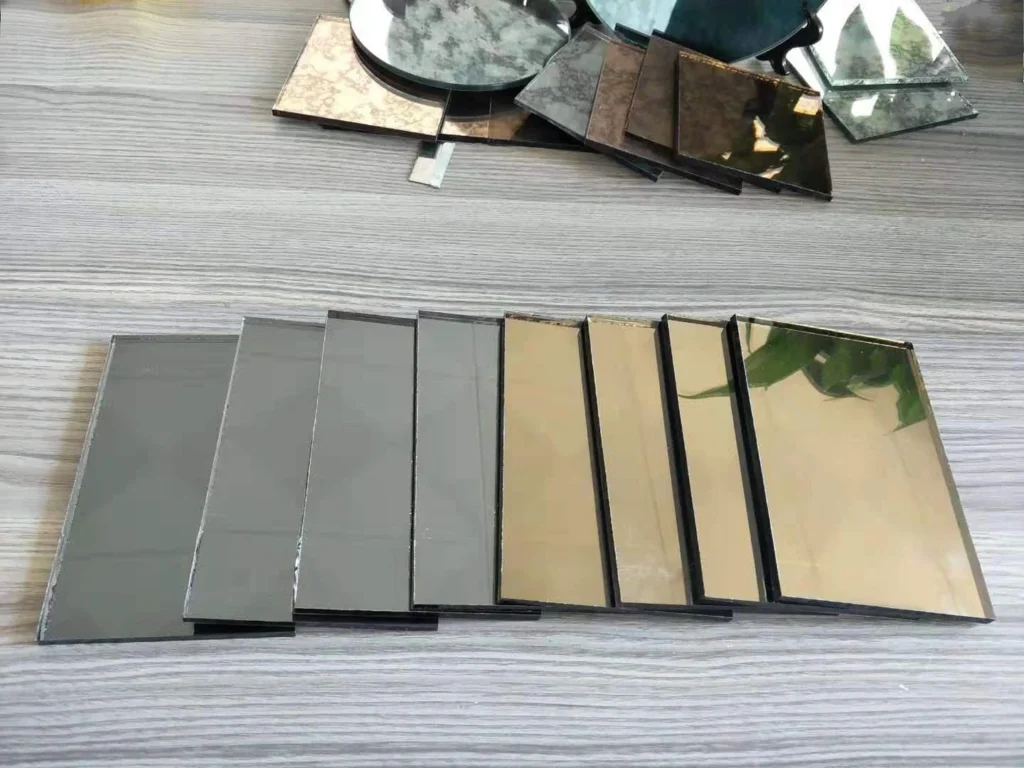
Common Types of Mirrors: Silver, Bronze, Grey, and Antique

Dec 15, 2025

Mirrors are essential decorative and functional elements in interior design — from reflecting light and opening up space to acting as striking focal points. While the basic purpose of a mirror is straightforward, the type of mirror glass and finish you choose dramatically influences the mood, warmth, and style of a room. In this guide, we explore four popular mirror types: silver, bronze, grey, and antique — what they are, how they differ, and where each works best.

For well‑crafted, stylish mirror options you can customize for any space, check out GlassMirrorPro’s wall mirror collection.


1. Silver Mirrors — Clear and Reflective

What They Are

Silver mirrors are the most traditional and widely used type of mirror glass. They are created by silvering the back of clear glass, producing a clean, accurate reflection with high clarity. National Glass

Key Features

  • Bright, clear reflection — excellent for enhancing natural and artificial light
  • Maximizes visual space — ideal in smaller rooms or areas with limited light

Best Places to Use Silver Mirrors

✔ Living rooms and foyers to boost brightness
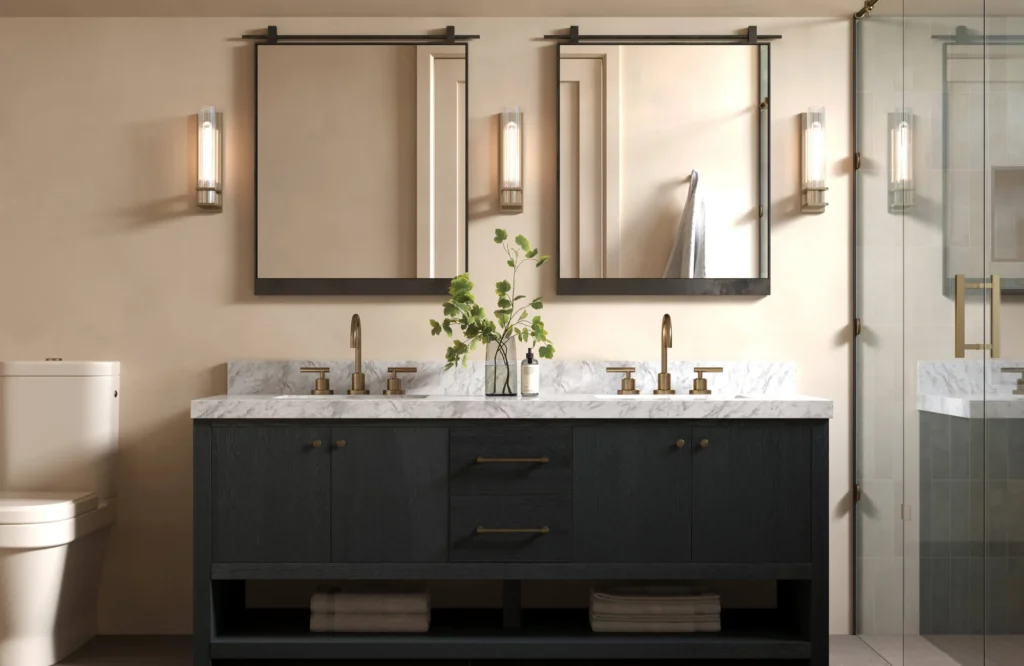
✔ Bathrooms and vanities where true reflection matters
✔ Hallways and narrow spaces to visually expand the area

Silver mirrors are versatile, functional, and timeless — perfect when you want a crisp, undistorted look that makes spaces feel open and inviting. National Glass


2. Bronze Mirrors — Warm and Elegant

What They Are

Bronze mirrors incorporate a warm amber or copper hue into the reflective layer. This tint softens the reflection and gives the space a richer, more atmospheric glow compared with standard silver mirrors. Mega Glass

Key Features

  • Warm tone reflects light gently
  • Adds a rich, cozy ambiance
  • Less glare than pure silver mirrors

Best Places to Use Bronze Mirrors

✔ Living rooms and dining areas where a warm design tone is desired
✔ Bedrooms or lounges for a relaxed, inviting feel
✔ Accent walls to complement wooden or warm‑toned décor

Bronze mirrors are especially effective in spaces where you want to emphasize warmth and subtle luxury without overwhelming the decor. Mega Glass


3. Grey Mirrors — Modern and Subdued

What They Are

Grey mirrors, sometimes referred to as smoked mirrors, have a subtle grey tint that softens brightness and reduces stark reflections. They are a popular choice in contemporary and minimalist interiors. Stile Glass

Key Features

  • Muted reflections with stylish mood lighting
  • Adds a sophisticated, modern edge
  • Works well with neutral and monochrome color schemes

Best Places to Use Grey Mirrors

✔ Modern living spaces and offices
✔ Bedrooms with bold or dark palettes
✔ Areas where a softer, atmospheric reflection is preferred

A grey mirror creates a dramatic yet refined look, enhancing contemporary interiors with quiet style. Stile Glass


4. Antique Mirrors — Vintage Character and Depth

What They Are

Antique mirrors are designed to replicate the look of historical mirror glass, often with intentional patina, slight distressing, or classic frame details that evoke vintage charm. These can range from subtly aged effects to deeply textured reflections reminiscent of historical pieces. Nicholas Wells Antiques

Key Features

  • Unique surface character and soft reflections
  • Adds historical depth and decorative richness
  • Works beautifully with classic or eclectic interiors

Best Places to Use Antique Mirrors

✔ Above mantels or console tables as statement pieces
✔ In traditional or eclectic living spaces
✔ Paired with vintage furniture to amplify character

Antique mirrors lend personality and a sense of history while still serving the practical purpose of a reflective surface — a design tool as much as a utility item. MirrorZone


Comparing the Mirror Types

Mirror TypeCharacterBest UseVisual Effect
SilverBright, clearEverywhereExpansive, luminous
BronzeWarm, richLiving/BedroomCozy, refined
GreyModern, subduedContemporary spacesSofter, stylish
AntiqueTextured, characterfulClassic/eclecticHistoric, decorative

Each type has distinct visual impact — from the crisp clarity of silver mirrors to the nostalgic depth of antique finishes.


Design Tips When Choosing Mirror Types

Consider Lighting

If your room lacks natural light, silver mirrors reflect light most effectively. In spaces with abundant light, tinted versions like bronze or grey mirrors help reduce glare and add ambience. Architectural Digest India

Match Your Decor

  • Warm interiors: bronze and antique mirrors complement wood and earth tones
  • Cool or minimalist spaces: grey mirrors add contemporary flair
  • Traditional designs: silver or antique mirrors enhance elegance

Size and Placement

Large mirrors amplify light and space most effectively, especially when placed opposite windows or light sources. Groupings of smaller mirrors can create a visual art installation while still reflecting light.


Functional and Decorative Balance

Choosing a mirror isn’t just about how it looks — it’s also about how it functions in your space. A quality mirror enhances light, expands perspective, and elevates design. Whether you’re selecting a silver mirror for clarity, a bronze mirror for warmth, a grey mirror for modern subtlety, or an antique mirror for timeless character, your choice shapes both the practical feel and style of your room.

For high‑quality mirrors suitable for any design style — from classic to contemporary — explore expertly crafted pieces at GlassMirrorPro’s wall mirror collection.
Tips

Decorative Wall Mirrors: Beveled, Etched, and Patterned Options

Dec 15, 2025

Decorative wall mirrors do much more than reflect your image — they enhance style, add depth, amplify light, and anchor décor themes. Whether you’re refreshing a living room, elevating a hallway, or designing a showstopping entryway, decorative mirrors are one of the most versatile design elements you can use.

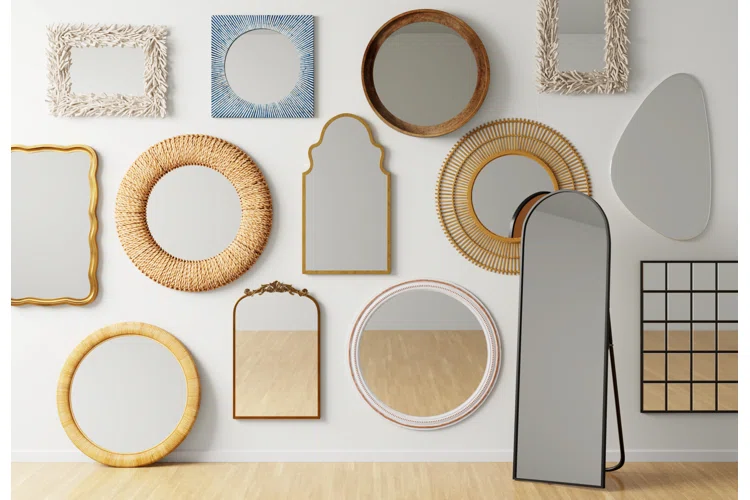
In this guide, we’ll explore the most popular decorative styles — beveled, etched, and patterned mirrors — how they differ, when to choose each option, and how they transform spaces. You’ll also discover practical placement tips and expert considerations to help you choose the right mirror for your interior.


Why Decorative Mirrors Matter in Interior Design

Decorative wall mirrors serve both form and function. Designers often use them to:

  • Brighten rooms by reflecting natural and artificial light
  • Create a sense of spaciousness in smaller areas
  • Add visual interest with texture, shape, and artistic detail
  • Anchor furniture groupings like sofas, consoles, and vanities

According to interior design experts, mirrors can be one of the most cost‑effective design upgrades because they work with light and perspective to enhance the look and feel of a space. Source: Better Homes & Gardens explains how mirror placement and style influence room perception.


1. Beveled Mirrors: Classic Elegance and Light Play

What Is a Beveled Mirror?

A beveled mirror has edges that are cut at an angle (beveled) to create a framed effect directly in the glass. This subtle slope around the edge refracts light, adding refinement and sparkle to even the simplest designs.

Why Choose Beveled Mirrors

✔ Enhances light reflection and softens glare
✔ Works with both modern and traditional décor
✔ Adds depth without heavy framing

Beveled mirrors are particularly effective when placed above mantels, dining consoles, or in entryways where ambient light changes throughout the day — the angled cuts beautifully scatter light and catch subtle highlights.

Design Tips

  • Pair a large beveled mirror with layered lighting to maximize shine.
  • Use in geometric configurations (e.g., grouped rectangles) for a contemporary look.

2. Etched Mirrors: Artistry in Reflection

What Is an Etched Mirror?

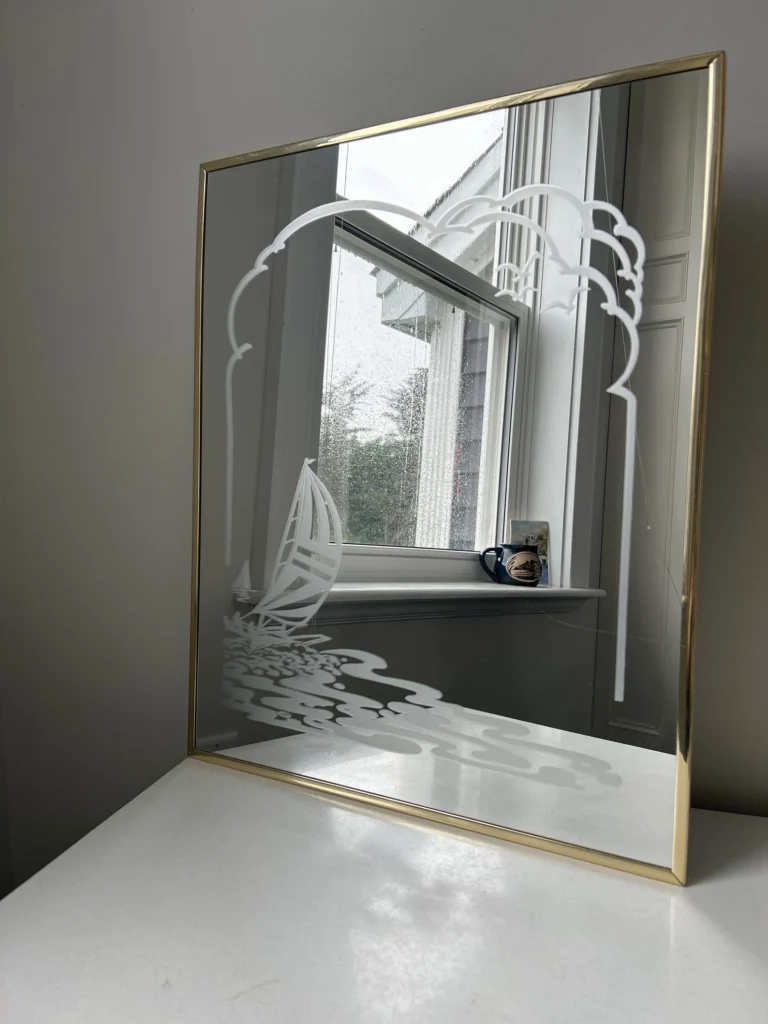
Etched mirrors feature surface patterns, textures, or decorative motifs carved or sandblasted into the glass. These artistic details create soft, diffused imagery that elevates a mirror from functional to decorative art.

Etching can range from delicate floral lines to bold geometric patterns, adding personality and visual nuance to a space without overpowering it.

Where Etched Mirrors Shine

✔ As focal artwork in living rooms or dining areas
✔ Above bathroom vanities for a custom look
✔ Integrated into wardrobe doors or room dividers

Design Tips

  • Use etched designs with subtle backlighting for depth and dimension.
  • Coordinate patterns with other elements (e.g., tile motifs, architectural details).

Authority Note: Decorative surface treatments — like etching — add texture and artistic interest, helping mirrors function as statement décor pieces not just reflective surfaces.


3. Patterned Mirrors: Dynamic Shapes and Styles

What Are Patterned Mirrors?

Patterned mirrors incorporate repetitive designs, segmented panels, or stylistic cutouts within the mirror itself. These can include:

  • Sunburst or starburst patterns
  • Geometric grids
  • Overlapping circles or linear segments
  • Mosaic mirror compositions

Each pattern type brings a unique visual rhythm to the wall, making the mirror a piece of functional art rather than a plain surface.

Where Patterned Mirrors Work Best

✔ Accent walls in living rooms or bedrooms
✔ Above consoles or sofas
✔ In paired or symmetrical arrangements for balance
✔ As gallery wall elements mixed with art or photography

Design Tips

  • Bold patterned mirrors are great above minimalist furniture to add textural contrast.
  • For small spaces, choose patterns that maintain negative space to avoid visual clutter.

Mirror Materials and Finishes to Consider

When choosing decorative mirrors, the edge finish and backing quality matter just as much as the surface style:

  • Tempered mirrors — safety and durability (especially near bathrooms or high‑traffic areas)
  • Frameless designs — clean, modern lines
  • Metal frames (brass, black, bronze) — architectural weight and contrast
  • LED‑integrated mirrors — added task light and contemporary flair

For premium decorative mirror options that combine style with durability, explore GlassMirrorPro’s wall mirror collection — featuring beveled, etched, patterned, and custom solutions suited to any space.


How to Choose Between Beveled, Etched, and Patterned Mirrors

To decide which decorative mirror style works best for your space, consider the following:

StyleBest ForCharacter & Effect
BeveledClassic interiors, elegant spacesLight play, subtle sophistication
EtchedArtistic or custom spacesPersonalized texture and visual depth
PatternedBold design statementsDynamic shapes, focal points

Questions to Ask Yourself

✔ Do you want the mirror to blend with décor or stand out as art?
✔ Is lighting (natural or artificial) a key feature of the room?
✔ Are you balancing functionality (reflection) or aesthetics (art + reflection)?


Placement & Proportion: Getting It Right

Decorative mirrors should be sized and positioned with awareness of:

Proportion

  • Above furniture: Mirror width should be about 60–75% of the piece below.
  • Gallery walls: Alternate mirror shapes to balance visual weight.

Height

  • Center mirrors at eye level (~57–60 inches) for general use.
  • For over‑mantel placement, keep the top of the mirror within 6–12 inches of the mantel height.

Light Interaction

  • Opposite windows or light sources to amplify daylight.
  • Near sconces or pendants to enhance glow without glare.

Common Decorative Mirror Mistakes (and How to Avoid Them)

Choosing mirrors that are too small for the wall
✔ Solution: Measure your wall and sketch mirror outlines with tape before buying.

Overly ornate mirrors in minimalist spaces
✔ Solution: Choose subtle etched or simple beveled edges to maintain balance.

Placing high‑reflective mirrors opposite bright glare sources
✔ Solution: Angle mirrors slightly or pair with diffused lighting.

Design professionals repeatedly emphasize that mirror scale and placement are as important as mirror style when creating cohesive interior looks.


Final Thoughts: Style Meets Function

Decorative wall mirrors are more than reflective surfaces — they are design enhancers. Whether you favor the timeless sparkle of beveled edges, the artistic nuance of etched patterns, or the bold vibe of decorative motifs, choosing the right mirror transforms both light and mood in a space.

Remember to consider:

✔ Function — Will it reflect light, views, people?
✔ Form — Does the style match your décor theme?
✔ Placement — Is it at the right height and proportion?

For a curated selection of decorative, premium wall mirrors — including beveled, etched, and patterned designs — check out GlassMirrorPro’s wall mirror options and find a mirror that reflects both your style and your space beautifully.

Tips

Anti-Fog and Moisture-Resistant Mirrors for Bathrooms

Dec 15, 2025

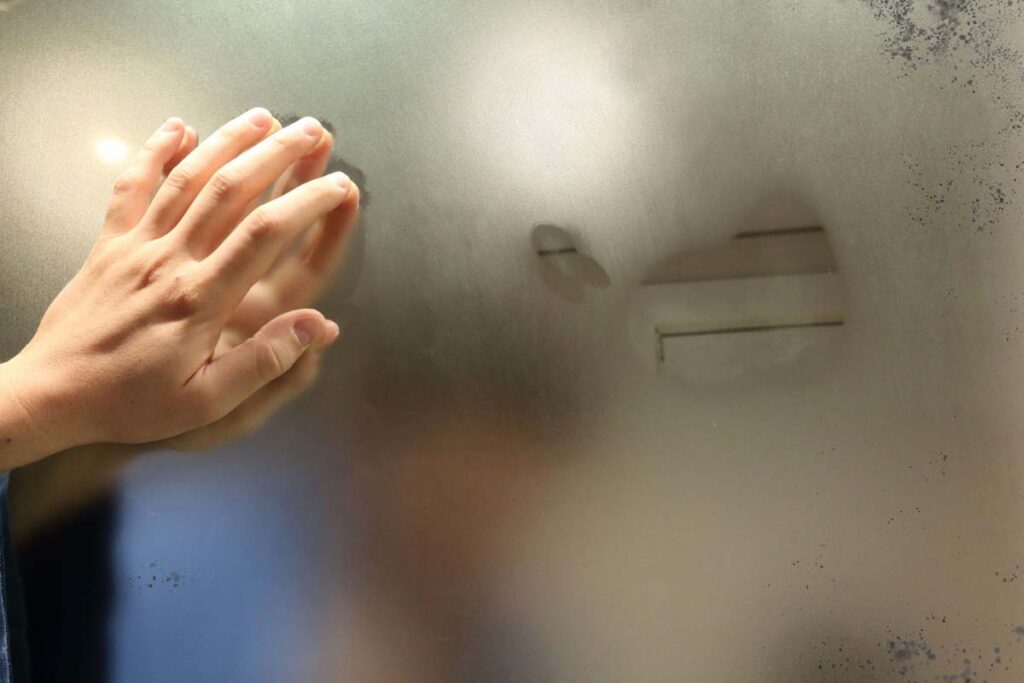
Bathrooms are humid environments where ordinary mirrors often fog up and deteriorate over time. Steamy showers, hot baths, and poor ventilation can turn even the best‑looking mirror into a frustrating smudge that you have to constantly wipe down. Fortunately, modern bathroom mirrors come with anti‑fog technology and moisture‑resistant features that keep reflections clear and surfaces durable — even in the steamiest conditions.

In this guide, you’ll learn how anti‑fog and moisture‑resistant mirrors work, why they’re worth the investment, where they excel, and what to consider when choosing one for your bathroom.


Why Standard Mirrors Struggle in Bathrooms

Regular bathroom mirrors are usually made with a reflective coating on standard glass. In high humidity, condensation forms instantly on the cool surface, blocking your view and creating constant frustration. Over time, moisture can:

  • Cause black spots along the mirror edges
  • Lead to corrosion of the reflective backing
  • Result in peeling or distortion
  • Require frequent, abrasive cleaning that damages the surface

That’s why investing in mirrors designed for moisture‑prone spaces is important. Bathroom mirrors with anti‑fog features and moisture protection stay clear longer and last far longer than standard options. ([turn0search12])


How Anti‑Fog Mirrors Work

Anti‑fog bathroom mirrors use science and technology to prevent condensation from forming on the mirror surface. There are two main ways this is done:

1. Integrated Heating Elements

Many premium anti‑fog mirrors include a built‑in heating pad or “demister” behind the glass that gently warms the mirror surface. By keeping the mirror at or above room temperature, condensation never forms and the glass stays clear even during and after a hot shower. These systems are energy‑efficient and often activate automatically with the bathroom light or a separate switch. WELLFOR

2. Special Anti‑Fog Coatings

Another effective method is applying a hydrophilic (water‑attracting) coating directly on the glass. This changes how water behaves on the surface — instead of forming tiny droplets that scatter light and cause fogging, moisture spreads in a thin, invisible layer, preserving clarity. WELLFOR

Both technologies can dramatically improve visibility and grooming performance, especially in bathrooms with limited ventilation.


Moisture‑Resistant Mirrors: What That Means

A moisture‑resistant mirror goes beyond just preventing fog. It’s engineered to withstand long‑term exposure to humidity without degrading. Key features include:

• Anti‑Corrosion Treatments

Mirrors designed for bathrooms often have protective backing and edge sealing that stops moisture from creeping in and corroding the reflective surface. Without this, mirrors can develop black spots or peeling. WELLFOR

• Waterproof LED Components

Many modern anti‑fog mirrors also incorporate LED lighting, which must be protected against moisture and steam damage. Look for mirrors with proper IP ratings or waterproof LED assemblies for safety and longevity. RBROHANT

• Long‑Lasting Clarity

Because moisture and fog are minimized, these mirrors stay cleaner and require less maintenance — saving time and reducing wear on the mirror surface itself. Summit Glazing Solutions


Benefits of Anti‑Fog and Moisture‑Resistant Bathroom Mirrors

Installing an anti‑fog or moisture‑resistant mirror transforms your bathroom experience in several ways:

✔ Instant Clarity After Showering

Forget waiting for fog to disperse or wiping mirrors with towels. Anti‑fog technology delivers a crystal‑clear reflection even in the steamiest environments, making grooming tasks easier and faster. WELLFOR

✔ Reduced Cleaning and Maintenance

Regular mirrors require constant wiping after every shower to stay clear. Anti‑fog surfaces and moisture resistance cut down on cleaning frequency, reducing streaks and water spots. Dman Bathroom

✔ Better Hygiene

Less wiping means fewer smudges and fewer bacteria or dirt transferred from towels, sponges, or fingers. This makes the mirror surface more sanitary over time. WELLFOR

✔ Enhanced Bathroom Aesthetics

Anti‑fog and moisture‑resistant mirrors often come with sleek designs, LED lighting, touch controls, and modern shapes, turning a practical bathroom necessity into a stylish feature. WELLFOR

✔ Long‑Term Durability

By resisting moisture damage and corrosion, these mirrors maintain their reflective quality over many years — unlike standard bathroom mirrors that may degrade within just a few seasons. WELLFOR


Where to Install Anti‑Fog Bathroom Mirrors

Anti‑fog and moisture‑resistant mirrors are especially useful in:

  • Primary and master bathrooms where daily grooming happens
  • En‑suite bathrooms with limited ventilation
  • Shared family bathrooms with heavy steam exposure
  • Guest bathrooms where convenience and presentation matter

They’re also a smart choice if you’re planning a bathroom renovation and want to elevate both functionality and aesthetics.


Choosing the Right Anti‑Fog Mirror

When selecting a bathroom mirror with anti‑fog and moisture‑resistant features, consider the following:

➤ Anti‑Fog Technology Type

  • Heated demister for the most reliable fog prevention
  • Hydrophilic coating for a non‑electrical anti‑fog solution

➤ Moisture Protection

Look for mirrors with anti‑corrosion backing and edge sealing that resist humidity over time. Edward Martin

➤ Lighting and Features

Mirrors with integrated LED lighting, dimming options, and smart controls add extra value and convenience. RBROHANT

➤ Size and Style

Choose a mirror that complements your bathroom’s design and fits the space proportionately — whether you want minimalist rectangular shapes or LED‑accented designs.


Maintenance Tips for Bathroom Mirrors

Even moisture‑resistant and anti‑fog mirrors benefit from good care:

  • Ventilate your bathroom to reduce constant humidity
  • Wipe down edges occasionally to prevent buildup
  • Use mild, non‑abrasive cleaners to protect coatings

Regular maintenance extends the life and clarity of your mirror, preserving its appearance and performance.


Why Upgrade to a Premium Bathroom Mirror

Upgrading to a mirror with anti‑fog and moisture‑resistant features isn’t just about convenience — it’s about long‑term performance, hygiene, and bathroom enjoyment. A mirror that stays clear and clean saves you time, reduces frustration, and enhances your daily routine.

For high‑quality, modern bathroom mirrors — including anti‑fog and moisture‑resistant options — explore premium designs at GlassMirrorPro’s wall mirror collection. Their selection features mirrors designed to perform beautifully in high‑humidity environments while adding style and value to your bathroom.
Tips

Tempered vs Regular Wall Mirrors: Which Should You Choose?

Dec 15, 2025

Wall mirrors are essential for both function and décor. They reflect light, make rooms feel larger, and serve as decorative focal points. However, choosing the right type of mirror is crucial for safety, durability, and long-term value. Two main types dominate the market: tempered wall mirrors and regular (annealed) mirrors. Understanding their differences will help you make the right choice for your home or office.


What Is a Regular Wall Mirror?

Regular mirrors, also known as annealed mirrors, are made by applying a reflective coating (usually silver or aluminum) on the back of a glass sheet.

Key features:

  • Lower cost than tempered mirrors
  • Easily cut and customized after production
  • Fragile: breaks into large, sharp shards
  • Typically used in bedrooms, living rooms, and decorative wall installations where impact risk is low

Drawback: Safety is a major concern. If regular glass shatters, it can cause serious injury. (Pilkington – Annealed Glass Overview)


What Is a Tempered Wall Mirror?

Tempered mirrors are a type of safety mirror. The glass is heat-treated and rapidly cooled, introducing compressive stress on the surface and tensile stress internally.

Key features:

  • 3–5 times stronger than regular mirrors
  • Breaks into small, blunt pieces, minimizing injury risk
  • Cannot be cut, drilled, or altered after tempering
  • Ideal for bathrooms, high-traffic areas, and commercial spaces

Tip: Tempered mirrors are especially recommended for families with children or pets due to safety considerations. (Guardian Glass – Tempered Glass Safety)


Tempered vs Regular Mirrors: Key Differences

FeatureRegular MirrorTempered Mirror
StrengthBreaks easily3–5x stronger
SafetyShatters into sharp shardsBreaks into small, blunt fragments
CustomizationCan be cut or drilled after productionMust be cut/finished before tempering
CostLowerHigher
Best UseLow-risk decorative areasHigh-traffic or safety-critical areas

Advantages of Choosing Tempered Mirrors

  1. Enhanced Safety
    The primary advantage of tempered mirrors is safety. In high-traffic zones like bathrooms, staircases, gyms, or offices, tempered mirrors significantly reduce injury risk.
  2. Durability and Impact Resistance
    Tempered mirrors withstand minor impacts, bumps, and temperature changes better than regular mirrors, ensuring long-lasting performance.
  3. Compliance with Building Codes
    Many building regulations require tempered mirrors in commercial settings, bathrooms, and glass doors. Using tempered glass ensures compliance.
  4. Minimal Distortion
    Modern tempered mirrors maintain optical clarity and can be customized in cut-to-size panels, making them suitable for sophisticated interior designs. (GlassMirrorPro – Tempered Wall Mirrors)

Advantages of Choosing Regular Mirrors

  1. Lower Cost
    Regular mirrors are more budget-friendly and ideal for decorative wall installations or areas with low impact risk.
  2. Customizable After Production
    You can cut, drill, or polish regular mirrors post-production to fit unique spaces or designs.
  3. Wide Availability
    Regular mirrors come in various thicknesses, finishes, and frame styles, offering more options for decorative purposes.

Where to Use Tempered Mirrors vs Regular Mirrors

Room / AreaRecommended TypeNotes
BathroomTemperedHigh moisture, slip hazards, safety-critical
Staircase / HallwayTemperedHigh traffic, fall risk
Living RoomRegularLow-risk decorative use
BedroomRegularLow traffic, mostly functional or decorative
Commercial SpacesTemperedSafety regulations require it

Tip: Even in low-risk areas, tempered mirrors can add peace of mind and long-term durability.


Cost Considerations

While tempered mirrors are more expensive upfront, they offer better longevity and safety. Consider the total cost of:

  • Potential injuries or liability
  • Replacement costs from breakage
  • Compliance with safety regulations

Investing in tempered mirrors often saves money and trouble in the long run.


Tips for Installing Wall Mirrors Safely

  1. Professional Installation: Large mirrors should be mounted using anchor brackets or specialized mirror adhesive.
  2. Correct Height: For functional use, center the mirror at eye level (~57–60 inches from the floor).
  3. Avoid Direct Sunlight: Prolonged direct sunlight can create glare or excessive heat, especially for mirrored panels near windows.
  4. Tempered Mirror Handling: Always handle tempered mirrors with gloves and care, even though they are safer.

Authority reference: Better Homes & Gardens – How to Hang a Mirror


Conclusion: Which Should You Choose?

Choosing between tempered and regular wall mirrors depends on:

  • Location & risk level: High-traffic or safety-critical areas → tempered
  • Budget & customization needs: Low-risk decorative areas → regular
  • Regulatory requirements: Commercial or public spaces often mandate tempered mirrors

For premium, cut-to-size tempered wall mirrors that are safe, durable, and stylish, explore GlassMirrorPro’s wall mirror collection. Their mirrors are crafted for home, office, and commercial use, offering both safety and elegance.
Tips

Where to Hang Wall Mirrors to Maximize Light and Space

Dec 15, 2025

Wall mirrors do far more than help you check your reflection. When placed strategically, they can brighten rooms, amplify natural light, and create the illusion of a larger, more open space. Whether you’re decorating a living room, hallway, bedroom, or entryway, knowing where to hang wall mirrors makes all the difference in both form and function.

In this article, we’ll explore proven mirror‑placement strategies — backed by interior design research — and help you get the most out of mirrors in your home. Plus, you’ll discover how to choose the right mirror size and position to elevate both style and spatial perception.


Why Mirror Placement Matters

Mirrors work by reflecting light and visual depth. When positioned thoughtfully, they can:

  • Amplify natural daylight by bouncing it deeper into the room
  • Make rooms feel more spacious due to visual expansion
  • Highlight architectural features or views outside
  • Enhance artificial light from lamps and fixtures

Interior design resources consistently recommend placing mirrors to capture and redistribute light, making spaces feel both brighter and bigger. Homestyler


Best Places to Hang Mirrors for Light & Space

1. Opposite or Adjacent to Windows

One of the most effective ways to maximize natural light is to hang a mirror facing or near a window. When sunlight hits the glass, the mirror reflects it into darker corners and spreads brightness throughout the room.

👉 Position a large mirror across from the main window to almost double the perceived daylight in a space. Decorat

Tip: A floor‑to‑ceiling mirror or a wide rectangular mirror works especially well for this.


2. In Hallways and Narrow Spaces

Narrow hallways and corridors often feel dark or cramped. A well‑placed wall mirror can break up the confinement and visually extend the area.

  • Hang mirrors along the length of the hallway
  • Or place a large mirror at the end of the corridor to create the illusion of depth

Mirrors here do double duty by reflecting both light and perspective, making the space feel more expansive. Homestyler


3. Above Key Furniture

Mirrors above furniture pieces — like console tables, sofas, or dressers — help balance visual weight and reflect light across the room.

Good options include:

  • Above a living room sofa
  • Over an entryway console
  • Above a dining room sideboard

This not only improves light distribution but also creates focal balance and harmony in the décor. Decorat


4. In Living Rooms and Dining Areas

Mirrors placed in social spaces can serve as both decorative art and functional light amplifiers. Consider:

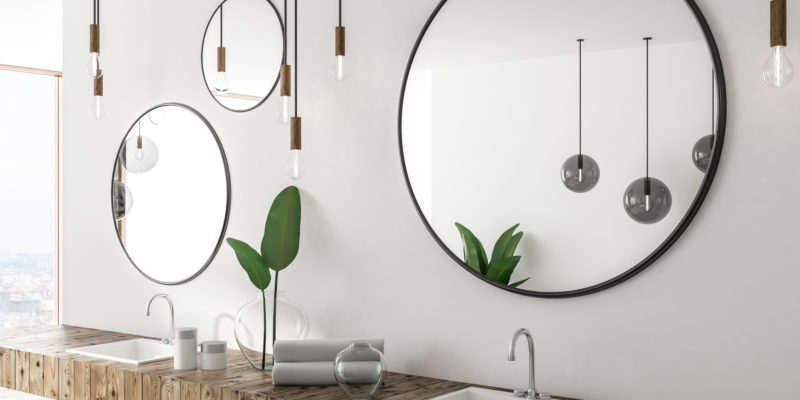
  • A horizontal mirror above a seating area
  • A grouping of smaller mirrors on one wall

Such placements make the room feel more open and inviting — especially when paired with good artificial lighting sources.


5. Near Artificial Light Sources

Mirrors can also enhance artificial lighting:

  • Place mirrors near sconces or lamps to multiply the effect of ambient lighting
  • Avoid positioning them directly in front of bare bulbs to prevent glare

Instead, reflect diffused or indirect light for a softer, more pleasant glow. Homestyler


Where to Avoid Hanging Mirrors (Design Mistakes to Skip)

While mirrors are valuable tools, they can have unintended effects if positioned poorly:

  • Opposite beds in bedrooms — may disrupt rest or create discomfort
  • Facing toilets — can look awkward and unbalanced
  • Reflecting cluttered or unattractive areas — amplifies visual noise rather than light

Interior designers stress that mirrors should reflect intention and symmetry, not chaos. Livingetc


Tips for Mirror Size & Orientation

Room TypeIdeal Mirror StylePlacement
Living RoomLarge horizontal mirrorAbove sofa or console
BedroomVertical / full‑lengthNear dressing area
HallwayTall or series of slim mirrorsAlong corridor walls
Dining RoomWide mirrorOpposite windows or light fixtures
BathroomLarge vanity mirrorAbove sink, eye‑level

General rules:

✔ Hang mirrors at eye level whenever possible
✔ For extra brightness, use a mirror about 60–80% the width of furniture below it
✔ Larger mirrors create stronger illusions of space

Mounting height and size should reflect both functional use and visual proportions of the room. Decorat


How Mirrors Enhance Light Without Sun Overexposure

It’s important to position mirrors so they reflect light without glare:

  • Avoid direct sun reflecting into seating areas
  • Instead, angle mirrors to catch soft natural light
  • Orient toward window views instead of bare bulbs

This strategic balance amplifies brightness without overwhelming the space. Homestyler


Linking Mirror Placement with Decor and Function

Beyond light and space, mirrors can also:

  • Highlight outdoor views — mirrors reflecting greenery or sky add visual richness. Murshid Interiors
  • Mirror architectural details — such as fireplaces or alcoves
  • Serve decorative purposes — adding color, shape, and texture

It’s not just about placing a mirror anywhere, but placing it where it accentuates both light and design.


Choosing the Right Mirror for Your Space

When selecting mirrors, consider:

  • Size: Larger mirrors reflect more light and expand space
  • Shape: Rectangular mirrors for breadth; vertical for height
  • Frame: Slim, contemporary frames minimize visual obstruction

For high‑quality custom or standard mirrors that help you brighten and expand any room, explore options from GlassMirrorPro’s wall mirrors — crafted to enhance light, space, and style with premium clarity.


Conclusion: Maximize Light and Space with Strategic Mirror Placement

Placing wall mirrors thoughtfully can transform how a room feels and functions. Whether you aim to brighten a dim room, expand a narrow corridor, or add decorative impact, mirrors are one of the most effective tools at your disposal.

Remember:
🔹 Opposite windows for light amplification
🔹 Above furniture for balance and brightness
🔹 Along hallways for depth and openness

Pair these strategies with the right mirror size and orientation to create spaces that feel brighter, bigger, and beautifully designed.

For tailored mirror choices that suit your space and style, check out the high‑quality wall mirror range at GlassMirrorPro

Tips

Wall Mirror Sizes Explained: Avoid Ordering the Wrong One

Dec 15, 2025

Wall mirrors are more than just functional pieces—they enhance interior design, make spaces appear larger, and add style to your home or office. Choosing the right mirror size is critical for achieving the perfect look and avoiding installation issues. Unfortunately, many people order the wrong size, leading to awkward gaps, misaligned reflections, or wasted money.

This guide explains how to measure, select, and style wall mirrors, helping you make informed decisions before purchasing from trusted suppliers like GlassMirrorPro’s wall mirrors.


Why Mirror Size Matters

Choosing the correct mirror size impacts:

  • Visual balance in a room
  • Functionality: ensuring you can see your full reflection
  • Aesthetic appeal: proportionate mirrors complement furniture and walls
  • Lighting: mirrors reflect natural and artificial light, brightening rooms


Standard Wall Mirror Sizes

Wall mirrors come in a variety of standard dimensions, typically measured in height x width (inches or cm). Common options include:

TypeTypical Size Range
Vanity / Bathroom Mirrors24–36″ height x 18–30″ width
Full-Length Mirrors48–72″ height x 12–36″ width
Decorative / Living Room Mirrors24–60″ height x 24–48″ width
Custom MirrorsAny size, cut-to-fit walls or furniture

Tip: Standard sizes are convenient, but custom mirrors ensure a perfect fit and alignment with your interior. Check out custom wall mirror options.


How to Measure for the Perfect Wall Mirror

1. Determine the Location

  • Bathroom: Above vanity or sink
  • Bedroom: Over dresser or for a full-body reflection
  • Living room: Above fireplace or console
  • Hallway: Between artwork or furniture

2. Measure Wall Space

  • Use a measuring tape to find the wall width and height
  • Leave some space around furniture or fixtures (usually 2–6 inches)

3. Consider Furniture Proportions

  • Mirrors should complement surrounding furniture, not overpower or look tiny
  • Rule of thumb: mirror width = 60–75% of the piece of furniture below it


4. Decide on Mirror Orientation

  • Vertical mirrors: elongate walls, ideal for bedrooms, hallways, or bathrooms
  • Horizontal mirrors: widen walls, perfect for living rooms or above furniture

Tips to Avoid Ordering the Wrong Wall Mirror Size

  1. Mark the wall: Use painter’s tape to outline the intended mirror dimensions
  2. Use cardboard cutouts: Cut a cardboard the size of the mirror and place it on the wall
  3. Measure twice, order once: Double-check wall dimensions and furniture alignment
  4. Consider frame thickness: Some mirrors include frames that add extra width
  5. Think about accessibility: Ensure you can reach and clean the mirror easily

Custom Wall Mirrors for Perfect Fit

For irregular walls or unique furniture layouts, custom mirrors are the best option. Benefits include:

  • Tailored dimensions for any space
  • Edge finishing options: beveled, polished, or raw
  • Frame options: wood, metal, or frameless designs
  • Compatibility with wall mounting systems

Explore high-quality custom wall mirrors here: GlassMirrorPro Wall Mirrors


Mirror Placement & Height Guidelines

RoomPlacement TipsTypical Height
BathroomCentered above sink36–40” from floor to center
BedroomAbove dresser30–36” above dresser
HallwayEye-level viewing60” from floor to center
Living RoomAbove fireplace / console6–12” above furniture top

Mirrors should generally be installed at eye level, but consider room height and furniture proportions.


Common Mistakes to Avoid

  • Choosing a mirror too small for the wall, making it look lost
  • Selecting a mirror too large, overpowering furniture or wall space
  • Forgetting to account for frame thickness
  • Ignoring wall obstacles like light switches, power outlets, or radiators
  • Not pre-planning mounting hardware for heavy mirrors


Conclusion

Selecting the correct wall mirror size is crucial for both functionality and aesthetic appeal. Whether you’re installing a bathroom vanity mirror, full-length bedroom mirror, or decorative living room piece, measuring accurately and considering furniture, wall space, and placement will save you from costly mistakes.

For premium, high-quality wall mirrors in standard or custom sizes, visit GlassMirrorPro’s wall mirror collection. Their mirrors are professionally crafted, cut-to-size, and designed to enhance any room.
Tips

What to Do if Your Tempered Glass Shatters

Dec 15, 2025

Tempered glass, also known as toughened glass, is a popular choice in modern homes and commercial spaces due to its strength, safety, and sleek appearance. It is used in applications such as:

  • Windows and doors
  • Shower enclosures
  • Glass tabletops and partitions
  • Balustrades and railings

Despite its toughness, tempered glass can still shatter under certain conditions, including impact, edge damage, or thermal stress. Unlike regular glass, it breaks into small, blunt fragments, reducing the risk of severe injury. However, shattered glass still poses hazards and requires careful handling. This guide explains what to do if your tempered glass shatters and how to prevent further damage.


Why Tempered Glass Shatters

Tempered glass is designed to break safely, but it can still shatter due to:

  1. Impact Damage
    • Hard objects hitting edges or corners
    • Falling debris or accidental knocks
  2. Thermal Stress
    • Rapid temperature changes
    • Uneven heating or cooling of glass surfaces
  3. Nickel Sulfide (NiS) Inclusions
    • Tiny impurities in the glass can expand over time and cause spontaneous breakage
  4. Improper Handling or Installation
    • Edge chips or scratches during installation
    • Incorrect frame mounting causing stress points

Reference: Guardian Glass – Understanding Safety Glass


Immediate Actions After Glass Shatters

If tempered glass breaks, follow these steps:

1. Ensure Safety First

  • Keep children, pets, and bystanders away
  • Avoid stepping on glass fragments
  • Wear protective gloves, closed shoes, and safety goggles

Authority reference: GlassDoctor – What to Do If Glass Breaks


2. Avoid Touching the Glass with Bare Hands

Even though tempered glass shatters into small, blunt pieces:

  • Micro-shards can still cause minor cuts
  • Use gloves and a broom to sweep fragments carefully

3. Contain the Area

  • Clear nearby objects to prevent additional damage
  • Use a vacuum or damp cloth to pick up tiny shards
  • Dispose of fragments in a thick, puncture-proof bag

4. Document Damage

  • Take photos for insurance or warranty purposes
  • Note the location, size, and condition of the shattered panel

Temporary Measures Until Replacement

While waiting for a replacement:

  • Cover the opening with plywood or a sturdy panel
  • Use tape on remaining fragments (if part of a larger window) to prevent further spillage
  • Avoid pressure or impact on surrounding glass

Replacing Tempered Glass Safely

1. Order the Correct Replacement

Tempered glass cannot be cut or drilled after tempering. Replacement must:

  • Be cut-to-size before tempering
  • Match the thickness, type, and edge finish of the original

Explore high-quality options: GlassMirrorPro – Tempered Glass Panels


2. Hire Professionals for Installation

Professional installers ensure:

  • Proper handling to avoid edge damage
  • Correct mounting to reduce stress points
  • Compliance with safety standards

3. Consider Preventive Upgrades

  • Protective films can prevent minor impacts from causing damage
  • Frameless edges or rubber gaskets reduce stress points
  • Regular inspections detect chips or cracks before failure

Tips to Prevent Future Shattering

Preventive MeasureWhy It Matters
Avoid hard impacts on edgesEdges are the most vulnerable part of tempered glass
Install UV films or shadesReduces thermal stress from direct sunlight
Use high-quality, certified glassLowers risk of NiS inclusion and spontaneous breakage
Proper frame clearanceAllows for expansion/contraction without stress
Regular inspectionDetects damage before it causes full breakage

Common Questions After Glass Shatters

Q: Can tempered glass shatter spontaneously?

A: Rarely, due to NiS inclusions or thermal stress, but proper quality glass minimizes this risk (Pilkington – Tempered Glass).

Q: Is it safe to walk near shattered tempered glass?

A: Avoid bare feet and use protective gear when clearing fragments. Blunt shards reduce injury risk but are still hazardous.

Q: Can I repair small cracks in tempered glass?

A: No. Any crack or edge damage requires full panel replacement, as tempered glass cannot be repaired.


Conclusion

Tempered glass is strong and designed to break safely, but shattering can still occur due to impact, thermal stress, or impurities. Key takeaways:

  • Prioritize safety first: keep people away, wear protective gear
  • Contain and clean fragments carefully
  • Replace damaged panels promptly with certified tempered glass
  • Prevent future issues with high-quality glass, proper installation, and preventive measures

For durable, high-quality tempered glass panels and sheets, explore GlassMirrorPro’s tempered glass collection — available in cut-to-size options, suitable for home and commercial projects, and manufactured to meet all safety standards.

Tips

Commonly Asked Quested About Tempered Glass and Their Answers

Dec 15, 2025

Tempered glass, also called toughened glass, is widely used in modern architecture, interiors, and home improvements due to its strength, safety, and sleek design. However, many people still have questions about its properties, uses, and limitations.

This article addresses the most commonly asked questions about tempered glass, providing accurate, researched answers and practical advice for homeowners, builders, and designers.


1. What Is Tempered Glass?

Answer:
Tempered glass is a type of safety glass that is heat-treated and rapidly cooled to introduce compressive stress on the surface and tensile stress inside. This process:

  • Makes the glass 3–5 times stronger than regular glass
  • Ensures that if it breaks, it shatters into small, blunt fragments rather than sharp shards, reducing injury risk

Applications include shower enclosures, tabletops, windows, doors, and glass partitions. (Guardian Glass – Understanding Safety Glass)


2. How Strong Is Tempered Glass Compared to Regular Glass?

Answer:
Tempered glass is significantly stronger than standard annealed glass due to its stress-balanced manufacturing process. Key facts:

  • Can withstand impact and bending that would break regular glass
  • Ideal for high-traffic areas or safety-critical applications

Reference: Huide Glass – Properties of Tempered Glass


3. Can Tempered Glass Be Cut or Drilled After Tempering?

Answer:
No. Tempered glass cannot be modified after tempering. Any attempt to cut, drill, or grind will cause instant shattering.


4. Is Tempered Glass Scratch-Proof?

Answer:
Tempered glass is more scratch-resistant than ordinary glass, but it is not completely scratch-proof. Scratches can occur due to:

  • Hard metals like keys or tools
  • Abrasive cleaning materials
  • Dust or sand particles dragged across the surface

Tip: Clean with microfiber cloths and non-abrasive cleaners to maintain clarity (Fab Glass & Mirror – Is Tempered Glass Scratch-Resistant?)


5. How Does Tempered Glass React to Heat?

Answer:
Tempered glass is heat-resistant, capable of withstanding up to approximately 250°C (482°F) without breaking. However:

  • It is not fireproof
  • Sudden localized heating (thermal shock) can cause breakage
  • For applications like ovens or fireplaces, specialized heat-resistant glass is required (Huide Glass – Thermal Properties)

6. Can Tempered Glass Shatter Spontaneously?

Answer:
Yes, but spontaneous shattering is rare. Common causes include:

  • Nickel sulfide (NiS) inclusions
  • Edge damage during handling
  • Sudden temperature changes

Even when tempered glass breaks spontaneously, it shatters into small, safe fragments. (Pilkington – Spontaneous Glass Breakage)


7. Is Tempered Glass Safe for Homes With Children or Pets?

Answer:
Absolutely. Tempered glass is ideal for family-friendly applications because it:

  • Shatters into small, blunt pieces instead of sharp shards
  • Reduces injury risk compared to regular glass
  • Can be used in windows, doors, tabletops, and shower enclosures safely (Guardian Glass – Safety Glass Explained)

8. What Thickness Should Tempered Glass Be?

Answer:
Thickness depends on the application:

ApplicationRecommended Thickness
Shower doors8–10mm
Tabletops10–12mm
Balustrades / railings12–19mm
Windows / doors6–12mm

Always consult a thickness guide or supplier to ensure compliance with building codes and safety standards (Pilkington – Glass Thickness Guide).


9. Can Tempered Glass Be Used Outdoors?

Answer:
Yes. Tempered glass is highly suitable for outdoor applications such as:

  • Glass fences
  • Balustrades and railings
  • Skylights and patio enclosures

It withstands temperature fluctuations, wind pressure, and sunlight exposure, making it an excellent choice for both residential and commercial projects (Guardian Glass – Architectural Applications).


10. How Do I Maintain and Clean Tempered Glass?

Answer:
Maintenance is simple but important for longevity:

  • Use microfiber cloths or soft sponges
  • Avoid abrasive cleaners or scrubbing pads
  • Wipe gently to avoid scratches
  • Inspect edges for chips or cracks regularly

Tip: Applying protective films or coatings can further prevent scratches and reduce thermal stress (GlassWorld – Protecting Glass Surfaces).


11. How to Handle Broken Tempered Glass Safely?

Answer:
Even though tempered glass breaks into small, blunt fragments, proper handling is essential:

  1. Keep distance to avoid stepping on shards
  2. Wear gloves when clearing fragments
  3. Dispose of broken pieces carefully
  4. Replace the panel promptly with a certified tempered glass sheet (GlassDoctor – Glass Breakage Safety)

Conclusion

Tempered glass combines strength, safety, and versatility, but understanding its properties and limitations is critical:

  • It is stronger than regular glass but can scratch or shatter under certain conditions
  • It cannot be modified after tempering
  • Proper handling, installation, and maintenance ensure long-term durability and safety

For premium tempered glass panels, sheets, and cut-to-size solutions, explore GlassMirrorPro’s tempered glass collection — certified, high-quality, and suitable for any application.

Tips

How Cold or Hot Weather Affects Tempered Glass

Dec 15, 2025

Tempered glass, also known as toughened glass, is a staple in modern architecture and home design. Its superior strength, safety features, and thermal resistance make it ideal for applications like:

  • Windows and doors
  • Shower enclosures
  • Glass partitions
  • Balustrades and railings
  • Glass tabletops and countertops

Despite its robust design, extreme temperatures — both cold and hot — can affect tempered glass performance. Understanding how weather impacts tempered glass is essential for homeowners, builders, and designers to prevent damage, ensure safety, and extend the lifespan of glass installations.


1. The Science of Tempered Glass and Temperature

Tempered glass is produced through controlled heating and rapid cooling, introducing:

  • Compressive stress on the surface
  • Tensile stress inside the glass

This stress balance is what makes tempered glass stronger and safer than regular annealed glass. It can withstand higher impact and temperature fluctuations. However, extreme or sudden temperature changes can influence its behavior. (Guardian Glass – Understanding Glass)


Effects of Hot Weather on Tempered Glass

1. Thermal Expansion

When exposed to high temperatures:

  • Glass expands, and if this expansion is uneven (e.g., one side exposed to sunlight), it creates thermal stress.
  • Panels with edges or corners exposed to stress points are more likely to crack or shatter.

Tip: Use UV-protective films or shades to reduce direct sunlight exposure.


2. Increased Risk of Spontaneous Shattering

Hot weather combined with minor inclusions like nickel sulfide (NiS) can lead to spontaneous breakage:

  • NiS inclusions slowly expand under heat
  • When combined with thermal stress, they can trigger shattering
  • Spontaneous breakage is rare but more common in older or low-quality glass

Authority reference: Pilkington – Spontaneous Glass Breakage


3. Pressure on Hardware

Expansion can also affect frames, hinges, or mounting channels, leading to:

  • Slight bowing or misalignment
  • Stress at the glass edges
  • Potential for cracking if hardware is too tight

Tip: Ensure proper allowances in frames to accommodate thermal expansion. (Huide Glass – Tempered Glass Properties)


Effects of Cold Weather on Tempered Glass

1. Thermal Contraction

Cold temperatures cause glass to contract. Rapid temperature drops, especially after a hot day, create stress differences:

  • Surface and interior layers contract differently
  • This uneven stress can lead to thermal shock
  • Edges with minor chips or imperfections are more susceptible to shattering

2. Increased Brittleness

While tempered glass is stronger than ordinary glass, extreme cold reduces flexibility, making it more brittle and slightly more prone to breaking upon impact. (Guardian Glass – Glass Safety)


3. Condensation and Ice Formation

  • Outdoor glass in freezing temperatures can accumulate ice, adding weight and stress
  • Sudden removal of ice (like using hot water) can cause cracks due to thermal shock

Tip: Avoid sudden temperature changes on glass surfaces in winter. Use gentle defrosting methods. (Huide Glass – Handling Glass in Cold Weather)


Spontaneous Breakage: Myths and Facts

Some people believe tempered glass can break “for no reason.” The truth is:

  • Thermal stress, NiS inclusions, and edge damage are usually the cause
  • Extreme weather can trigger shattering in vulnerable panels
  • Proper handling, installation, and high-quality tempered glass greatly reduce risks

Reference: Guardian Glass – Spontaneous Glass Breakage


Tips to Protect Tempered Glass in Extreme Weather

1. Choose Certified High-Quality Tempered Glass

  • Reduces NiS inclusion risk
  • Provides uniform stress distribution
  • Ideal for both indoor and outdoor applications

Explore certified panels here: GlassMirrorPro – Tempered Glass Panels


2. Proper Installation and Edge Protection

  • Ensure edges and corners are free from chips
  • Maintain adequate frame clearance for expansion/contraction
  • Professional installation reduces stress points

3. Avoid Sudden Temperature Changes

  • Do not pour hot water on frozen glass
  • Use blinds, curtains, or UV films to reduce direct sun exposure
  • For outdoor glass, consider protective coatings to manage temperature swings

4. Regular Inspection and Maintenance

  • Inspect for small chips, cracks, or edge damage
  • Remove debris that can create localized stress points
  • Replace damaged panels promptly

Table: How Weather Affects Tempered Glass

ConditionEffect on Tempered GlassPreventive Measures
Hot WeatherThermal expansion, risk of stress cracksUse UV films, allow frame clearance
Cold WeatherThermal contraction, increased brittlenessAvoid sudden temperature changes, inspect edges
Rapid Temp ChangeThermal shock, spontaneous breakageGradual heating/cooling, use high-quality panels
Ice/CondensationAdded weight, stress at edgesGentle defrosting, protective coatings

Conclusion

Tempered glass is engineered for strength and safety, but extreme temperatures — whether hot or cold — can influence its performance. Key takeaways:

  • Hot weather: Can cause expansion and thermal stress; monitor direct sunlight exposure
  • Cold weather: Can increase brittleness and thermal contraction; avoid sudden temperature changes
  • Spontaneous breakage is rare and usually related to inclusions or stress points
  • High-quality, certified tempered glass, proper installation, and thoughtful maintenance are critical for durability

For safe, durable, and weather-resistant tempered glass panels, explore GlassMirrorPro’s range of tempered glass sheets and panels. They are cut-to-size, certified, and ideal for any climate or architectural application.

Tips

What Happens If Tempered Glass Shatters at Night or in Cold Weather?

Dec 15, 2025

Tempered glass is renowned for its strength, safety, and durability, making it a popular choice for windows, doors, partitions, balustrades, and shower enclosures. It is engineered to resist impacts and thermal stresses far better than regular annealed glass. However, even tempered glass can shatter under certain conditions, and the circumstances of shattering — such as at night or during cold weather — raise specific concerns for homeowners and building managers.

This guide explores the science behind tempered glass breakage, what happens during low-temperature or nighttime shattering, and how to prevent accidents and damage.


Understanding Tempered Glass Breakage

Tempered glass, also called toughened glass, is produced through controlled heating and rapid cooling, which introduces compressive stress on the surface and tensile stress inside. This stress balance gives tempered glass:

  • 3–5 times greater impact resistance than ordinary glass
  • Enhanced thermal shock resistance

When tempered glass breaks, it shatters into small, blunt pieces instead of sharp shards. This reduces injury risk but can still be startling and potentially hazardous in certain environments. (Guardian Glass – Understanding Safety Glass)


Factors Contributing to Shattering at Night or in Cold Weather

1. Temperature-Induced Stress

One of the most common reasons tempered glass breaks in cold weather is thermal stress:

  • Uneven cooling or heating creates stress within the glass pane
  • Rapid temperature changes, such as nighttime temperature drops after a sunny day, can exceed the glass’s tolerance
  • This can cause spontaneous breakage, particularly if there are minor internal flaws or edge damage

Authority reference: Huide Glass – Thermal Shock in Tempered Glass


2. Nickel Sulfide Inclusions

Nickel sulfide (NiS) inclusions are microscopic impurities sometimes present in tempered glass.

  • These inclusions expand slowly over time, especially during temperature fluctuations, and can trigger spontaneous shattering
  • Nighttime cooling or cold weather can accelerate this effect if the glass contains NiS inclusions

Research: Pilkington – Spontaneous Glass Breakage


3. Physical Impact During Cold Temperatures

Even minor impacts that might not affect tempered glass in normal conditions can cause breakage when the glass is cold, because:

  • Materials contract in cold, increasing internal stress
  • Compressive surface layers may become more brittle
  • Sudden contact with hard objects (like stones, hardware, or wind-blown debris) can initiate shattering

What Happens When Tempered Glass Shatters at Night or in Cold Weather?

When tempered glass breaks under these conditions:

  1. Shards scatter safely: The glass fragments are small and blunt, minimizing serious injuries.
  2. Noise can be startling: Shattering can be loud, which may be alarming, especially at night.
  3. Cold air enters the space: Broken windows can let in cold air, dust, or pests, affecting indoor comfort.
  4. Potential property damage: Even though the glass is safe to touch, broken panels can damage nearby objects or surfaces.

Practical safety tip: always clear debris carefully and avoid bare hands. (GlassDoctor – Safety After Glass Breakage)


Preventing Nighttime or Cold Weather Shattering

1. Choose High-Quality Tempered Glass

Premium tempered glass panels are less prone to spontaneous shattering:

  • Certified to international safety standards (EN 12150, ANSI Z97.1)
  • Low inclusion rates, reducing the risk of NiS-related failures
  • Manufactured with evenly distributed stress

Supplier recommendation: GlassMirrorPro – Tempered Glass Panels


2. Avoid Direct and Uneven Heat Exposure

  • Do not install tempered glass in areas exposed to direct sunlight on one side and extreme cold on the other
  • Avoid heat-emitting devices placed too close to glass, which can cause uneven thermal stress (Guardian Glass – Architectural Applications)

3. Proper Installation and Edge Protection

  • Ensure edges are not chipped or damaged, as this is a common point for breakage
  • Use professional installation services to prevent stress from improper mounting (Huide Glass – Tempered Glass Handling)

4. Minimize Impact Risk

  • Clear debris or falling objects near glass panels
  • Use protective barriers in high-traffic areas to avoid accidental contact

Handling Tempered Glass Breakage

If tempered glass shatters at night or in cold conditions:

  1. Stay safe: Keep distance from the broken area to avoid stepping on shards.
  2. Clear fragments carefully: Use gloves and a broom to collect shards.
  3. Assess damage: Check surrounding fixtures or frames for any stress damage.
  4. Replace promptly: Install a new tempered glass panel to restore safety and insulation. (GlassDoctor – Glass Replacement Guide)

Key Takeaways

  • Tempered glass is strong and safe, but it can shatter under thermal stress, NiS inclusions, or cold-related impacts.
  • Shattering at night or in cold weather is usually spontaneous and safe, but it can be alarming and may cause property inconvenience.
  • Preventative measures include quality glass, careful installation, thermal stress management, and protective barriers.
  • Always handle and replace broken tempered glass safely.

For certified, high-quality tempered glass panels that minimize the risk of spontaneous shattering, check out GlassMirrorPro’s range, offering cut-to-size, durable, and safe solutions for your home or commercial projects.