Tips

Tips

Tempered Glass Myths: What People Get Wrong

Dec 15, 2025

Tempered glass, also known as toughened glass, is widely used in modern architecture, interior design, and home improvement projects. From shower enclosures and kitchen backsplashes to glass balustrades and office partitions, its combination of strength and safety makes it highly desirable.

Yet, despite its popularity, misconceptions and myths about tempered glass abound. Believing these myths can lead to costly mistakes, poor safety choices, or improper handling. This guide explores the most common tempered glass myths, explains what’s true and false, and provides practical advice for homeowners, designers, and builders.


Myth 1: Tempered Glass Is Unbreakable

Reality: Tempered glass is much stronger than regular glass, but it is not unbreakable. It can resist impacts better, but if hit hard enough — especially at the edges or corners — it will break.

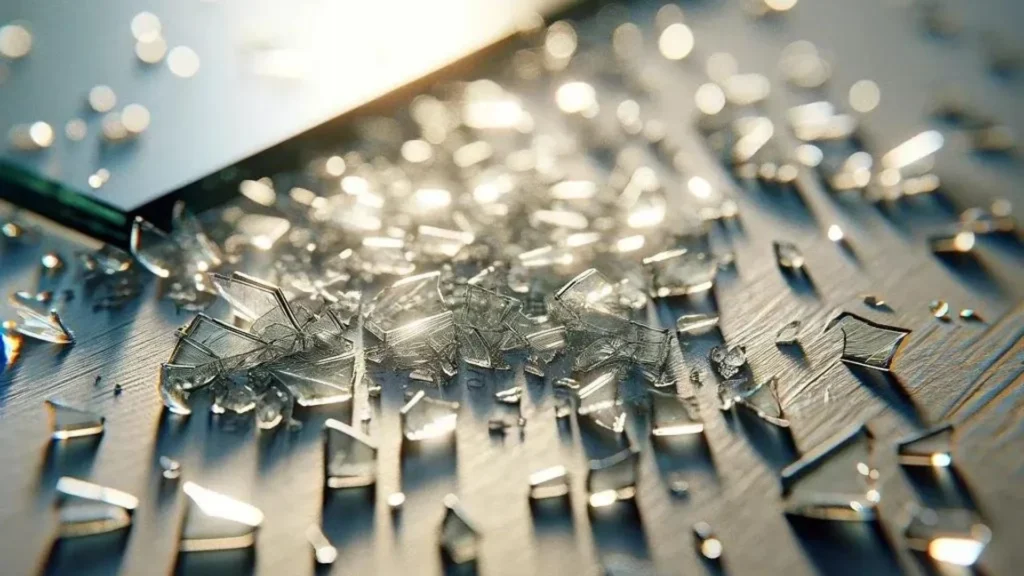
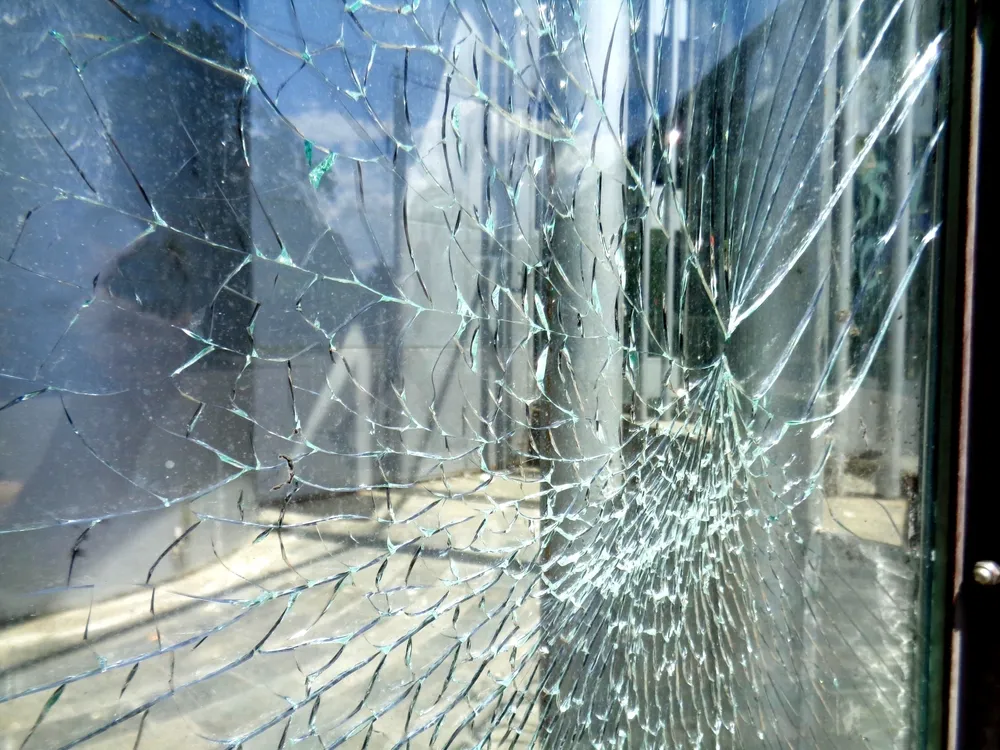
The difference lies in its break pattern: tempered glass shatters into small, blunt fragments instead of sharp shards, reducing the risk of injury. This safety feature is why tempered glass is mandated in bathrooms, doors, and public areas.

Authority reference: Guardian Glass – Safety Glass Explained

Tip: Always handle tempered glass with care during installation to prevent edge damage, which is the most common point of failure.


Myth 2: Tempered Glass Cannot Scratch

Reality: Tempered glass is scratch-resistant but not scratch-proof. While it is more durable than annealed glass, it can be scratched by hard objects like keys, tools, or abrasive cleaning materials.

Preventing scratches involves:

  • Using microfiber cloths for cleaning
  • Avoiding steel wool or abrasive pads
  • Placing protective mats or coasters under heavy objects

Learn more about caring for tempered glass: Fab Glass & Mirror – Is Tempered Glass Scratch-Resistant?


Myth 3: All Tempered Glass Is Heat-Resistant

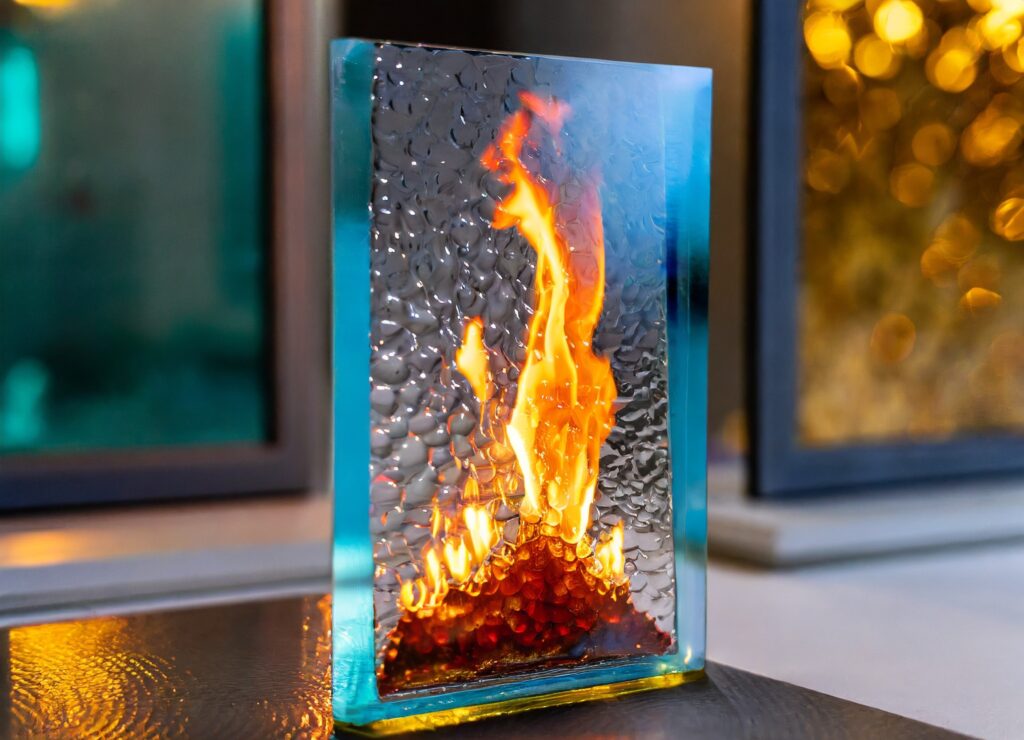
Reality: Tempered glass is more heat-resistant than standard glass, but it is not fireproof. Typical tempered glass panels can tolerate temperature differences of up to 250°C (482°F) without breaking. However, exposure to direct flame or extremely high heat may still cause damage.

For applications like wood-burning stoves or industrial ovens, ceramic or fire-rated glass is required.

Authority reference: Huide Glass – Tempered Glass Properties


Myth 4: You Can Cut or Drill Tempered Glass After Manufacturing

Reality: Tempered glass cannot be modified after tempering. Cutting, drilling, or grinding post-tempering will cause the glass to shatter instantly. All holes, cutouts, or edge finishes must be made before the glass is tempered.

Tip: Always measure carefully and plan for any hardware, fittings, or cutouts before ordering. (GlassMirrorPro – Tempered Glass Panels)


Myth 5: Tempered Glass Is Always Thicker Than Regular Glass

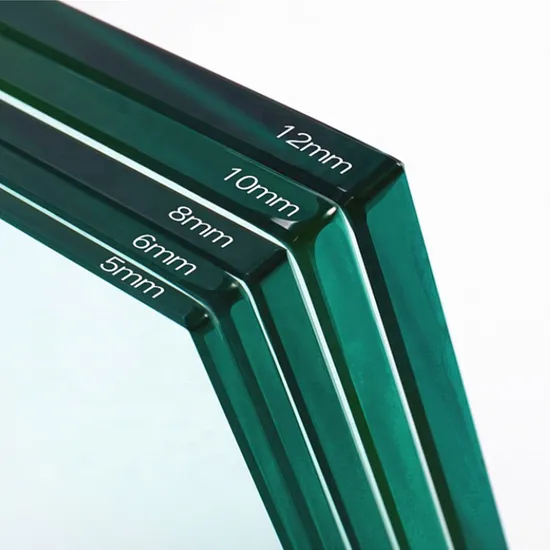
Reality: While tempered glass is often used in thicker panels for structural applications, thickness varies depending on use. For example:

  • Shower doors: 8–10mm
  • Tabletops: 10–12mm
  • Balustrades/railings: 12–19mm

Thinner tempered glass can still meet safety standards if properly engineered. Thickness should be chosen based on application, safety requirements, and local building codes. (Pilkington – Glass Thickness Guide)


Myth 6: Tempered Glass Cannot Be Used Outdoors

Reality: Tempered glass is highly suitable for outdoor applications, including:

  • Glass fences
  • Balustrades
  • Patio enclosures
  • Skylights

Its tempered nature allows it to withstand temperature fluctuations, sunlight exposure, and wind pressure far better than regular glass. Outdoor tempered glass must still be correctly installed with proper hardware to prevent impact damage. (Guardian Glass – Architectural Applications)


Myth 7: Tempered Glass Is Low Maintenance

Reality: While tempered glass is durable, it still requires regular care to maintain clarity and prevent scratches. Common maintenance mistakes include:

  • Using abrasive cleaners or scouring pads
  • Wiping with dirty cloths that carry grit
  • Ignoring edge protection during handling

Proper cleaning with soft cloths and gentle, non-abrasive cleaners is essential for long-lasting, pristine tempered glass panels. (GlassWorld – Protecting Glass Surfaces)


Myth 8: Tempered Glass Always Meets Safety Standards

Reality: Not all tempered glass is manufactured to the same quality standards. Ensure that your tempered glass complies with local or international safety certifications like:

  • ANSI Z97.1 – Safety glazing in the USA
  • EN 12150 – European standard for tempered glass
  • CPSC 16 CFR 1201 – Consumer product safety

Choosing certified tempered glass reduces the risk of unexpected breakage and ensures compliance for legal and insurance purposes. (Huide Glass – Tempered Glass Standards)


Tips for Ordering and Using Tempered Glass Correctly

  1. Measure accurately — tempered glass cannot be resized after tempering.
  2. Choose appropriate thickness for your application.
  3. Select the right finish — clear, frosted, tinted, or low-iron glass.
  4. Plan cutouts and hardware before ordering.
  5. Handle with care during installation to avoid edge damage.
  6. Use proper cleaning methods — microfiber cloths and non-abrasive cleaners.

For reliable, high-quality tempered glass, explore GlassMirrorPro’s tempered glass panels that are custom-cut, certified, and ready for any application.


Quick Myth-Busting Table

MythReality
Tempered glass is unbreakableStrong but can break; shatters safely
Cannot scratchScratch-resistant, not scratch-proof
Heat-proofResistant up to ~250°C; not fireproof
Can cut/drill after temperingCannot; must cut before tempering
Always thicker than regular glassThickness depends on application
Not suitable outdoorsSuitable with proper installation
Low maintenanceRequires proper cleaning and handling
Always meets safety standardsMust check certification

Conclusion

Tempered glass is strong, safe, and versatile, but misconceptions can lead to mistakes during ordering, installation, or use. By understanding the truth behind these myths, you can make informed decisions and enjoy durable, beautiful, and safe glass surfaces in your home or office.

For premium tempered glass sheets, panels, and cut-to-size solutions, visit GlassMirrorPro’s tempered glass collection for certified, high-quality products that meet both aesthetic and safety needs.
Tips

Can Tempered Glass Scratch? How to Prevent Damage

Dec 15, 2025

Tempered glass — known for its strength, safety, and sleek appearance — is used all around us: from shower doors and tabletops to modern partitions, balustrades, and windows. While it’s highly resistant to impacts and breaks into safer pebble‑like fragments if it does shatter, one common question remains:

👉 Can tempered glass scratch, and how do you protect it from damage?

The short answer is yes — tempered glass can scratch, even though it’s more robust than regular glass. Understanding how scratches occur and how to prevent them will keep your glass surfaces looking pristine for years.


Is Tempered Glass Scratch‑Proof?

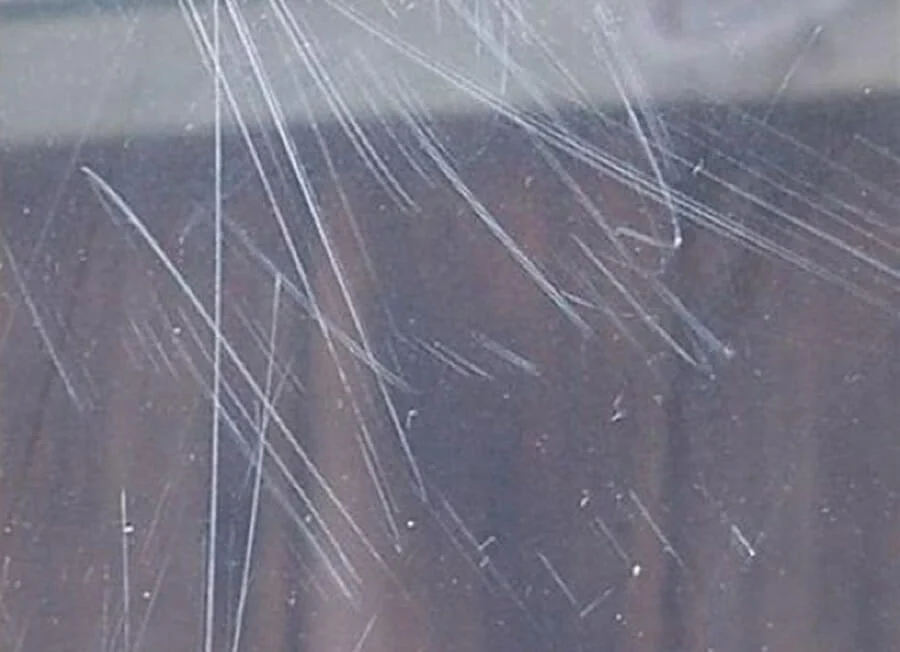
Despite its name and strength, tempered glass is not scratch‑proof. Its surface is harder and more resilient than ordinary glass, but it still sits around 6–7 on the Mohs hardness scale, which means it can be scratched by harder materials or abrasive substances. Tempered Glass+1

For example:

  • Dust and sand particles often contain quartz — harder than glass — which can create fine scratches when rubbed across the surface. SoftHandTech
  • Metals like keys or tools can leave visible marks if dragged or pressed against the glass. Tempered Glass
  • Rough or improper cleaning materials can introduce micro‑abrasions over time. fabglassandmirror.com

So while tempered glass is more scratch‑resistant than regular glass, it still requires thoughtful care and handling.


How Scratches Happen: Common Causes

1. Abrasive Particles and Dirt

Small particles of dirt, sand, or grit are deceptively abrasive. When these particles are present on the surface and then wiped or rubbed, they act like tiny sandpaper grains — slowly wearing down the glass and causing micro‑scratches. SoftHandTech

2. Hard Contact with Objects

Objects harder than glass — such as metal keys, tools, belt buckles, or hardware — can leave marks when dragged across the surface. Even strong knocks against edges or corners can stress the glass and result in visible scratches. Kova

3. Rough Cleaning Tools or Methods

Materials like steel wool, abrasive pads, or paper towels are too harsh for glass. These rough cleaning tools can leave fine scratches each time they’re used. Even if the marks are tiny, repeated abrasion over time dulls the glass surface. fabglassandmirror.com


Important Note: Strength ≠ Scratch Resistance

Many people assume that because tempered glass is strong, it must be scratch‑resistant — but those are two different properties. Strength refers to resistance against impact and breakage, while scratch resistance refers to surface durability. A surface can be hard and still be scratched by harder materials. Kova


How to Prevent Scratches on Tempered Glass (Pro Tips)

Here’s how you can protect your tempered glass surfaces — whether they’re tabletops, shower doors, partitions, or balustrades:


✨ 1. Clean with the Right Tools

Use soft microfiber cloths and gentle cleaning solutions. Avoid:

  • Paper towels
  • Scouring pads
  • Steel wool
  • Abrasive brushes

These can drag microscopic particles across the surface and cause scratches. glassworld.ae

Best practice:
✔ Wipe with a dry microfiber cloth to remove dust first
✔ Use mild, non‑abrasive glass cleaner for deeper cleaning Dreamwalls


✨ 2. Keep Dust and Grit Away

Dust and small debris may seem harmless, but when mixed with movement, they can mar the glass surface. Regularly remove loose particles before wiping or cleaning to minimize abrasion. SoftHandTech


✨ 3. Use Protective Barriers

For surfaces like glass tabletops or counters, consider:

  • Coasters and placemats
  • Felt pads or rubber feet under objects
  • Protective films that act as a barrier against scratches

These create a buffer between hard objects and the glass surface. glassworld.ae


✨ 4. Avoid Sharp or Heavy Impacts

While tempered glass is strong, it can still scratch or chip when struck by heavy or sharp objects. Be mindful when placing metal tools, hardware, or heavy items on or near glass surfaces. Handle such objects carefully to avoid accidental contact. Shahe Huide Glass Products Co., Ltd.


✨ 5. Install Scratch‑Resistant Films or Coatings

Adding a protective film or coating can significantly reduce surface abrasion, especially in high‑traffic areas like tabletops or doors. These films add an extra protective layer while preserving clarity. glassworld.ae


Can Scratches Be Repaired?

Generally, surface scratches on tempered glass cannot be fully “fixed” like on softer materials. Minor scratches may sometimes be improved using polishing compounds, but deeper marks often require a glass replacement.

Some DIY methods (such as using toothpaste or polishing kits) may reduce the appearance of light scratches, but they are not guaranteed and can risk making the surface uneven or hazy. glassdoctor.com

Pro tip: For high‑value installations (like large panels or architectural glass), consult a glass specialist rather than relying on DIY repairs.


Special Handling Tips During Installation

Protecting tempered glass begins before it’s ever used. During handling and installation:

  • Wear soft gloves to avoid accidental marks
  • Keep the glass upright and supported — avoid surface contact
  • Use padded racks or separators to eliminate rubbing against other materials
  • Inspect edges and surfaces carefully for debris before mounting glasshelper.co.uk

Why Quality Matters

Not all tempered glass is created equal. High‑quality manufacturing ensures:

✔ A more uniform and smoother surface
✔ Fewer embedded imperfections that may act as scratch points
✔ Better performance over long‑term use

Choosing reputable tempered glass — such as high‑grade panels — improves both scratch resistance and overall durability.

Looking for premium options? Explore reliable tempered glass panels and sheets at GlassMirrorPro to get durable, high‑quality glass for your projects.


Quick Scratch Prevention Checklist

TaskPriority
Use microfiber cloths⭐⭐⭐⭐⭐
Remove dust before cleaning⭐⭐⭐⭐
Apply protective films⭐⭐⭐⭐
Avoid abrasive cleaners⭐⭐⭐⭐⭐
Use coasters/pads under objects⭐⭐⭐⭐
Inspect surfaces regularly⭐⭐⭐

Summary: Can Tempered Glass Scratch?

Yes, tempered glass can scratch, despite being more durable than regular glass. Tempered Glass
✔ Scratch resistance depends on factors like material hardness, debris, cleaning methods, and surface finish. SoftHandTech
✔ Regular gentle care, avoidance of abrasive materials, and protective measures help keep glass pristine. glassworld.ae
✔ Professional guidance is best for deep scratches or high‑value installations.

Tempered glass combines beauty and strength, but maintaining its flawless look requires thoughtful care. With proper habits and protection, your glass surfaces can stay clear, elegant, and functional for years.

Tips

Common Mistakes People Make When Ordering Tempered Glass

Dec 15, 2025

Tempered glass, also known as toughened glass, is widely used in homes and commercial spaces for applications such as shower doors, glass railings, partitions, tabletops, and kitchen backsplashes. Its strength, safety features, and sleek appearance make it a top choice for architects, builders, and homeowners.

However, many people make costly mistakes when ordering tempered glass. Unlike ordinary glass, tempered glass cannot be cut, drilled, or modified after tempering, so errors in measurement, specification, or selection can lead to wasted materials, delays, and additional costs. This guide explains the most common mistakes people make and how to avoid them.


1. Incorrect Measurements

One of the biggest mistakes is ordering tempered glass with incorrect dimensions. Since tempered glass panels cannot be resized after manufacturing:

  • A few millimeters too large or too small can make the glass unusable.
  • Mistakes often happen with frameless shower doors, glass shelves, or tabletops where precision is critical.

Tips to avoid measurement errors:

  • Measure twice, preferably three times.
  • Account for tolerances specified by the glass manufacturer.
  • Consider hardware clearance if the glass will fit into a frame or have mounting brackets.

For high-accuracy measurements, many homeowners rely on professionals to ensure the right tempered glass sheet size. (Guardian Glass – Glass Installation Tips)


2. Choosing the Wrong Glass Thickness

Tempered glass comes in various thicknesses, from 6mm to 19mm or more. Selecting the wrong thickness can affect:

  • Strength – Thinner glass may flex or break under load.
  • Safety – Building codes often require certain thicknesses for balustrades, shower enclosures, and partitions.
  • Aesthetics – Thicker glass can give a premium look; thinner glass looks delicate.

Common mistake: assuming all applications can use 8mm glass. In reality:

  • Shower doors: often 8–10mm
  • Glass tabletops: 10–12mm
  • Balustrades/railings: 12–19mm

Referencing a thickness guide like GlassMirrorPro’s tempered glass guide ensures you select the right panel for your project.


3. Ignoring Glass Type and Finish

Tempered glass is available in multiple finishes:

  • Clear – Standard look
  • Frosted or sandblasted – Privacy or decorative purposes
  • Tinted or colored – Sunlight reduction and aesthetics
  • Low-iron – Extra clarity for high-end designs

A common mistake is ordering clear glass for a bathroom where privacy is essential, or forgetting to choose a finish that complements the interior design.

Tip: Consult the supplier about available finishes and coatings before ordering. (Pilkington – Glass Finishes)


4. Not Accounting for Tempered Glass Limitations

Tempered glass is extremely strong, but it has limitations:

  • Cannot be cut, drilled, or modified after tempering.
  • Sharp edge damage during installation can cause spontaneous breakage.
  • Direct flame or excessive localized heat can exceed thermal limits.

Many people assume tempered glass can handle any type of modification, which often leads to project delays or damaged panels. (Huide Glass – Tempered Glass Properties)


5. Overlooking Edge Finishing Requirements

Edges are critical in tempered glass. Rough or unfinished edges can:

  • Compromise strength
  • Cause safety issues during installation
  • Lead to chipping or breakage

Common mistakes include:

  • Forgetting to specify polished, beveled, or rounded edges
  • Ignoring manufacturer recommendations for installation hardware

Tip: Always check with your supplier regarding edge finishing options and installation guidelines. (Guardian Glass – Edge Finishing)


6. Misunderstanding Hardware Compatibility

Tempered glass often needs brackets, hinges, or mounting channels. A common mistake is ordering glass without checking:

  • Whether the hardware can accommodate the panel thickness
  • If holes or cutouts are required (cannot be drilled after tempering)
  • Proper clearances for sliding doors or frameless systems

Many failures occur when hardware specifications are ignored. Pre-planning ensures that tempered glass panels fit perfectly into their intended applications. (Itigalgamuwa – Glass and Aluminum Structures)


7. Neglecting Delivery and Handling Considerations

Tempered glass is durable but fragile during transport. People often underestimate the need for:

  • Proper packaging
  • Gentle handling
  • Professional installation

Small chips, scratches, or edge damage can cause panel failure after installation, sometimes days later. Always request professional delivery and installation if available.


8. Not Consulting Building Codes or Safety Standards

Building codes often specify:

  • Minimum thickness for balustrades, staircases, and shower doors
  • Safety glass requirements in bathrooms and public areas
  • Impact resistance standards for commercial applications

Failing to comply can lead to legal liabilities, insurance issues, or failed inspections. (International Building Code – Glass & Glazing)


9. Ordering Without Considering Customization Options

Tempered glass can be custom cut to size before tempering. People often make mistakes by:

  • Ordering pre-sized panels that don’t fit exact dimensions
  • Forgetting to account for holes for faucets, handles, or mounts
  • Overlooking unique shapes or angles

Always work with a supplier who offers customizable tempered glass sheets or panels, such as GlassMirrorPro’s range.


10. Choosing Low-Quality Suppliers

Finally, the most critical mistake is choosing cheap or unverified suppliers. Poor-quality tempered glass may:

  • Shatter unexpectedly
  • Have uneven thickness
  • Lack certification for safety and thermal resistance

Always verify:

  • Compliance with safety standards
  • Material certification (ANSI, EN, or local regulations)
  • Positive reviews and installation support

Conclusion

Ordering tempered glass requires careful planning, accurate measurements, and attention to detail. Common mistakes include:

  1. Incorrect measurements
  2. Choosing the wrong thickness
  3. Ignoring glass type and finish
  4. Misunderstanding limitations of tempered glass
  5. Neglecting edge finishing
  6. Hardware incompatibility
  7. Poor delivery and handling
  8. Ignoring building codes
  9. Not customizing for your needs
  10. Selecting low-quality suppliers

Avoiding these errors ensures that your tempered glass panels are safe, durable, and aesthetically perfect for your home or commercial project.

For reliable, high-quality tempered glass options that are cut to size, certified, and customizable, explore tempered glass panels at GlassMirrorPro.

Tips

Is Tempered Glass Heat-Resistant? What You Should Know

Dec 15, 2025

Tempered glass — sometimes called toughened glass — is among the most widely used safety glazing materials in modern residential and commercial construction. It’s prized for its strength, safety performance, and ability to handle real‑world conditions. One of the most common questions designers and homeowners ask is:

👉 Is tempered glass heat‑resistant, and how much heat can it actually withstand?

This comprehensive guide explores the thermal properties of tempered glass, practical applications, safe operating limits, differences from other heat‑resistant glass types, and what to consider when using it around heat sources.


What Is Tempered Glass? How It’s Made and Why It Matters

Tempered glass begins as ordinary float glass. It undergoes a controlled heating and rapid cooling process that produces compressive stress on the surface and tensile stress in the interior. This process creates a glass pane that is 3–5× stronger than untreated glass and significantly more resistant to thermal shock. Konshen Glass+1

When tempered glass breaks, it shatters into small, blunt fragments — unlike large, sharp shards — making it a recognized form of safety glass. This is why it’s required in many building code applications like shower doors, stair railings, and windows near walkways. Shahe Huide Glass Products Co., Ltd.

For high‑strength applications where safety and heat resistance matter, builders often choose quality tempered glass panels like those available from suppliers such as tempered glass products at GlassMirrorPro.


Thermal Performance: What Heat Tempered Glass Can Withstand

General Heat Resistance and Thermal Shock

Tempered glass is designed to resist thermal stress much better than ordinary glass. Typical performance characteristics include:

  • Thermal shock resistance up to roughly 200–250°C (392–482°F) under everyday conditions without cracking or fracturing.
  • Some glass producers specify tolerances slightly above that depending on thickness and manufacturing quality. Shahe Huide Glass Products Co., Ltd.+1

Thermal shock refers to the glass’s ability to survive rapid changes in temperature — for example, when steam from a hot shower hits a cooler pane or when a backsplash near a stove heats up quickly. Tempered glass handles these shifts far better than annealed glass, which may crack at much lower temperature gradients. Shahe Huide Glass Products Co., Ltd.

Experts also note that due to industry variations, some tempered glass can tolerate temperatures up to ~300°C or more when heated evenly, though real‑world safe use is usually kept below 250°C for building and interior applications. glasvue.com


Why Tempered Glass Handles Heat Better Than Ordinary Glass

The heat resistance of tempered glass isn’t because the material magically becomes fireproof — it’s because the temper process redistributes internal stresses.

  • The surface compression helps delay the initiation of cracks at elevated temperatures.
  • The balanced internal stresses allow the glass to expand and contract more uniformly when heated, reducing the likelihood of temperature‑induced breakage. Konshen Glass

However, even tempered glass has limits. If one side heats rapidly while the other stays cool, or if the temperature differential is extremely large, the stress can still cause breakage. Shahe Huide Glass Products Co., Ltd.


Practical Uses for Heat‑Resistant Tempered Glass

1. Kitchen Applications

Tempered glass is a popular choice for:

  • Glass backsplashes
  • Stove and cooktop surround panels
  • Oven and appliance glass doors
  • Countertop splash guards

These glass panels are heat‑resistant enough to handle steam, splashes, and proximity to cooking appliances without cracking, provided there’s no direct exposure to open flames or extreme radiant heat. Concept Crystal


2. Bathroom & Shower Enclosures

Bathrooms experience frequent temperature changes — from warm showers to cooler air. Tempered safety glass performs well in these environments due to its ability to handle both humidity and thermal shock. Tempered glass door panels reduce breakage risks and are often required by building codes where safety glazing is essential. Shahe Huide Glass Products Co., Ltd.


3. Sun‑Exposed Glass and Outdoor Use

Tempered glass is used in:

  • Patio enclosures
  • Skylights
  • Balcony railings

These installations are subject to high solar gain and shade transitions. Because tempered glass can handle temperature differentials much higher than ordinary glass, it is less likely to crack due to changing surface temperatures. glasvue.com


Limitations and When Tempered Glass Isn’t Enough

Not Suitable for Direct Fire or Extreme Heat

Tempered glass is heat‑resistant, but not fire‑rated. It will perform well under elevated temperatures, but it is not designed to withstand sustained direct flames or internal fireplace conditions. For very high temperatures — such as in wood‑burning stoves or industrial furnaces — ceramic glass or specialized fire‑rated glass is required, as these materials can tolerate temperatures far above what tempered glass safely endures. Shahe Huide Glass Products Co., Ltd.

Thermal Shock & Impurities

Sudden temperature changes can still cause breakage if the glass experiences extremely uneven heating. Additionally, microscopic impurities like nickel sulfide inclusions can increase the risk of spontaneous fractures over time with thermal cycling. itigalgamuwa.lk


Tempered vs Heat‑Strengthened vs Heat‑Resistant Glass

Not all thermally improved glass behaves the same way:

  • Annealed glass: Breaks at low temperature differences (~40°C) and shatters into sharp shards.
  • Heat‑Strengthened glass: More heat resistant than annealed glass but not safety rated.
  • Tempered glass: 3–5× stronger and far more thermally stable, and breaks into small fragments.
  • Special heat‑resistant glass (e.g., borosilicate): Designed for very high temperatures (often >500°C) used in ovens or scientific equipment. Guardian Glass+1

Understanding these differences helps ensure the right material is used for each application.


Safety Standards and Building Codes

Tempered glass is recognized as a safety glazing option in many building codes due to its strength and breakage pattern. In interior and exterior projects where heat and impact resistance both matter, using tempered glass that meets standards like EN 12150 or similar regional safety standards ensures compliance, safety, and performance. Accio


Final Thoughts: How Heat‑Resistant Is Tempered Glass?

Yes, tempered glass is heat‑resistant, and significantly more so than ordinary annealed glass. In typical building applications such as kitchens, bathrooms, and sun‑exposed areas, it can handle temperatures and rapid thermal changes that would cause ordinary glass to fail. Typical safe use limits are up to about 250°C, although specific performance can vary by glass quality, thickness, and treatment. Shahe Huide Glass Products Co., Ltd.+1

That said:

  • It is not fireproof, so it should not be used directly in fireplaces or heavy radiant heat without proper fire‑rated materials.
  • Heat shock from rapid temperature shifts can still pose risks.
  • For extreme heat environments, specialized heat‑resistant or ceramic glass is a better choice.

For many architectural and interior applications where heat resistance, strength, and safety are needed together, tempered glass remains one of the most versatile and reliable glazing options available — whether as sleek kitchen panels or durable outdoor balustrades.

Explore quality options like tempered glass panels at GlassMirrorPro to find products suited to both thermal demands and design goals.

DIY Guide

Tempered Glass Thickness Guide: 6mm, 8mm, 10mm & More

Dec 15, 2025

Choosing the correct tempered glass thickness is one of the most important decisions in any glass project. Whether you’re installing a shower enclosure, glass table top, balcony railing, or commercial partition, thickness directly affects strength, safety, performance, and longevity.

This comprehensive guide explains 6mm, 8mm, 10mm, 12mm, and thicker tempered glass options, where each thickness is best used, how load and safety factors work, and how to choose the right one for your application.


What Is Tempered Glass and Why Thickness Matters

Tempered glass—also known as toughened glass—is heat-treated safety glass that is 4 to 5 times stronger than ordinary annealed glass. The tempering process creates compressive stress on the surface, making it more resistant to impact and thermal shock.

However, thickness still plays a critical role:

  • Thicker glass = higher load capacity
  • Thicker glass = better rigidity and less flex
  • Thicker glass = improved safety in structural applications

For many residential and commercial projects, builders choose tempered glass cut to size so thickness, dimensions, and edge finishes match exact requirements.

For a deeper understanding of safety glass behavior, the Glass Association of North America explains how thickness impacts strength and compliance:
👉 https://www.glass.org/glass-education/what-is-safety-glass


6mm Tempered Glass (¼ Inch): Lightweight & Practical

Best Uses

  • Cabinet doors
  • Interior partitions
  • Small shelves
  • Decorative panels
  • Low-impact windows

Strength & Performance

6mm tempered glass is roughly 4x stronger than 6mm annealed glass, making it suitable for light-duty applications. However, it is not recommended for load-bearing or structural use.

Pros

✔ Lightweight
✔ Affordable
✔ Easy to install
✔ Clean, minimal appearance

Limitations

✘ Not ideal for large spans
✘ Can flex under pressure
✘ Limited impact resistance compared to thicker options

Typical applications: interior glazing where aesthetics matter more than structural strength.


8mm Tempered Glass (5/16 Inch): Balanced Strength

Best Uses

  • Shower doors
  • Medium glass shelves
  • Table tops
  • Office partitions
  • Balustrade infill (non-structural)

Strength & Performance

8mm tempered glass offers noticeably improved rigidity over 6mm and is one of the most popular thicknesses for residential use.

It provides a good balance between strength, weight, and cost—especially in bathrooms and living spaces where safety matters.

Pros

✔ Good impact resistance
✔ Reduced flexing
✔ Suitable for frequent use areas

Limitations

✘ Not ideal for long unsupported spans
✘ May require framing for safety in tall installations


10mm Tempered Glass (⅜ Inch): Heavy-Duty Residential Favorite

Best Uses

  • Frameless shower enclosures
  • Glass railings (with support)
  • Glass table tops
  • Large shelves
  • Glass doors

Strength & Performance

10mm tempered glass is significantly stiffer and more resistant to bending, making it ideal for frameless designs. It is often specified for safety-critical applications in homes.

In many projects, tempered glass panels of 10mm thickness are chosen because they meet common building safety requirements while maintaining a sleek appearance.

According to architectural glass guidelines from Pilkington, thicker safety glass improves both structural stability and user safety:
👉 https://www.pilkington.com/en/global/products/product-categories/architectural-glass

Pros

✔ Excellent rigidity
✔ Suitable for frameless installations
✔ Premium look and feel

Limitations

✘ Heavier
✘ Higher cost than thinner glass


12mm Tempered Glass (½ Inch): Structural & Commercial Grade

Best Uses

  • Glass balustrades
  • Stair railings
  • Large glass doors
  • Commercial partitions
  • Outdoor glass barriers

Strength & Performance

12mm tempered glass is commonly used in structural and semi-structural applications. It provides high resistance to impact, wind loads, and human force.

In many cases, it is specified by building codes for areas where people may lean, push, or fall against glass.

The International Building Code (IBC) references safety glass requirements for guardrails and barriers:
👉 https://codes.iccsafe.org/content/IBC2021P2/chapter-24-glass-and-glazing

Pros

✔ High load capacity
✔ Minimal flex
✔ Suitable for safety barriers

Limitations

✘ Very heavy
✘ Requires professional installation


15mm–19mm Tempered Glass: Extra-Thick Specialty Applications

Best Uses

  • Structural glass floors
  • High-end commercial façades
  • Public space railings
  • Luxury furniture
  • Heavy-duty tabletops

These thicknesses are less common in residential homes but are used where maximum strength and stiffness are required.

In many cases, designers combine thickness with lamination for additional redundancy and safety.


How to Choose the Right Thickness: Key Factors

1. Load & Usage

  • Will people lean on it?
  • Will it support weight?
  • Is it subject to frequent impact?

2. Span Size

Larger glass panels require greater thickness to prevent flexing.

3. Safety Requirements

Areas like bathrooms, railings, and doors often require tempered glass sheets by building code.

4. Installation Type

  • Frameless systems require thicker glass
  • Framed systems can use thinner panels

5. Local Building Codes

Always confirm local regulations before selecting thickness.

For many home and commercial projects, using tempered glass ensures compliance with safety standards while offering durability and peace of mind.


Thickness Comparison Table

ThicknessCommon UseStrength Level
6mmCabinets, partitionsLight
8mmShowers, shelvesMedium
10mmFrameless doors, tablesHigh
12mmRailings, barriersVery High
15mm+Structural & commercialMaximum

Common Myths About Tempered Glass Thickness

❌ “Thicker glass is unbreakable”

Even thick tempered glass can break if edge damage occurs.

❌ “6mm tempered glass is unsafe”

6mm is safe when used correctly—just not for structural loads.

❌ “All applications need the thickest glass”

Over-specifying increases cost and weight without added benefit.


Final Thoughts: Choosing the Right Tempered Glass Thickness

There is no single “best” thickness—only the right thickness for the right application.

  • Use 6mm–8mm for light interior applications
  • Choose 10mm for frameless residential designs
  • Select 12mm or thicker for railings and safety barriers

Understanding tempered glass thickness helps ensure safety, durability, compliance, and long-term performance—whether you’re designing a modern home or a commercial space.

Tips

How Strong Is Tempered Glass? Real Strength & Impact Facts

Dec 15, 2025

Tempered glass is one of the most used safety glazing materials in both residential and commercial projects — from shower doors and storefront windows to glass balustrades and automotive applications. But how strong is tempered glass really? In this article, we’ll explore its actual strength, impact resistance, thermal performance, how it compares to other glass types, and where it’s ideally used.


What Is Tempered Glass? A Quick Overview

Tempered glass — also called toughened glass — starts as ordinary annealed glass that has undergone a special controlled heat-treatment process. The glass is heated to high temperatures (around 620 °C) and then rapidly cooled. This creates a stressed surface layer in compression and a tensile core, which dramatically increases the glass’s strength compared to regular glass. Wikipedia

Tempered glass is classified as a type of safety glass, meaning it’s engineered to break in a less dangerous way — shattering into small, relatively blunt fragments rather than large, sharp shards. This unique fracture pattern makes it significantly safer in impact-prone areas. Wikipedia


Tempered Glass Strength: How Strong Is It?

1. Strength vs Ordinary Annealed Glass

One of the most consistent findings across industry sources is that tempered glass is significantly stronger than standard glass. It typically offers:

About 4–5 times the mechanical strength of regular annealed glass of the same thickness and configuration. BDC Network+1
✔ Higher surface compression and bending strength due to the tempering process = about 10 000 psi minimum surface stress required by safety standards. fgi.jo

This added strength means the glass can withstand greater impact forces, point loads, and bending stresses that would cause untreated glass to break easily.


2. Impact Resistance and Toughness

Tempered glass’s increased strength isn’t just numerical — it translates directly into practical impact resistance:

  • Due to the compressive stresses on the surface, cracks are much harder to initiate and propagate. This makes the glass more resistant to everyday impacts and forces. Wikipedia
  • Compared with float or annealed glass, tempered glass can tolerate higher impact energies without breaking, which is why it’s used in doors, sidelites, and high-traffic environments. General Glass
  • Although it’s stronger on the surface and in bending, tempered glass can still break if a major impact occurs at the edge or a pre-existing flaw is present — which is a known characteristic of the tempering process. Wikipedia

Note that although tempered glass is often described as “very strong,” it is not bulletproof glass or high-security glazing — for security applications, laminated or specialty reinforced glass is required instead. Campbell Window Film


3. Thermal Strength: How It Handles Temperature Changes

In addition to mechanical strength, tempered glass performs much better under thermal stress than ordinary glass:

✔ It can withstand large temperature differences — often up to 250 °C (about 482 °F) — without cracking, far exceeding what typical annealed glass can tolerate. fgi.jo
✔ The internal stress distribution helps the glass resist thermal shock, making it suitable for applications like shower enclosures, oven doors, and window glazing where sudden temperature fluctuations are common. Shahe Huide Glass Products Co., Ltd.

This combination of mechanical and thermal performance is one major reason tempered glass is favored for both interior and exterior architectural glazing.


4. Safety Strength: How It Breaks Safely

One of the defining traits of tempered glass — and a major safety benefit — is its fracture behavior:

  • When broken, the glass crumbles into small rounded pieces that are far less likely to cause deep cuts or serious injury than large, jagged shards typical of untreated glass. Wikipedia
  • This is why building codes often mandate the use of tempered glass for shower doors, glass railings, doors in public spaces, and glazing near walkways. Elite Safety Glass

The safety factor alone makes tempered glass a priority material in areas where human contact is likely or where injury risk must be minimized.


Tempered Glass vs Other Glass Types

Understanding tempered glass strength is easier when compared with other common types:

Glass TypeRelative StrengthKey Characteristic
Annealed glassBaseline (1x)Standard glass, breaks into sharp shards
Heat-strengthened glass2–3×Stronger than annealed, but not safety glass
Tempered glass4–5×Strong, safety glass that breaks into blunt pieces

Tempered glass cannot be cut, drilled, or altered after tempering — any machining must be completed before the tempering process. Swift Glass


Real-World Strength & Performance Examples

Here’s how tempered glass strength translates to practical applications:

Residential & Commercial Use

  • Doors and Windows: Tempered glass is widely used for doors, sidelites, and partition walls.
  • Shower Enclosures: Building codes require safety glass like tempered for shower doors.
  • Glass Furniture: Items such as tables and shelves often use tempered glass sheets for strength and safety.
  • Balustrades & Railings: In modern architectural design, tempered glass is a go-to choice where safety and clarity matter.

👉 For example, if you’re planning a glass installation, choosing a tempered glass panel rather than regular annealed glass ensures compliance with safety standards and provides better resistance to impacts, flexure, and thermal stress.


Limitations & Considerations

Despite its strengths, tempered glass is not indestructible, and it comes with some limitations:

Edge Vulnerability

The edges and corners of tempered glass remain the weak point — a sharp strike or micro-damage at the edge can cause shattering. Wikipedia

Cannot Be Altered After Production

Once glass is tempered, you cannot cut, drill, or modify it without causing the panel to break. Swift Glass

Spontaneous Breakage

In very rare cases, tiny inclusions (e.g., nickel sulfide particles) trapped in the glass during manufacturing can cause spontaneous breakage long after installation. Some manufacturers offer a heat-soaking process to reduce this risk. jsm.gov.my


Applications That Benefit from Tempered Glass Strength

Tempered glass is ideal where strength and safety matter most:

  • High-traffic doors and entries
  • Shower and tub enclosures
  • Glass railings and balconies
  • Glass partitions and office glazing
  • Automotive side and rear windows
  • Glass tabletops and shelving

In many of these, using a tempered glass sheet or tempered glass cut to size ensures both performance and safety — from everyday contact to structural integration.


Conclusion: How Strong Is Tempered Glass?

In real terms, tempered glass is:

✅ Several times stronger than standard annealed glass
✅ Significantly more resistant to impact, bending, and thermal stress
✅ Engineered to break safely into small pieces
✅ Widely required by building codes for safety glazing Wikipedia+1

While it has limitations — such as vulnerability at edges and inability to rework it after tempering — its high strength, safety performance, and practical versatility make it one of the most widely used safety glass solutions available.

Whether you’re selecting materials for interior glazing, exterior windows, or custom architectural features, understanding the real strength and impact facts about tempered glass helps you make smarter, safer design choices for your space.

Tips

Smart Storage Mirrors: Combining Function and Style

Dec 14, 2025

How to Maximize Space Without Sacrificing Aesthetics

In modern homes, space is at a premium, and every design choice counts. Smart storage mirrors are the perfect solution, combining reflective functionality with hidden storage. These mirrors not only enhance light and room perception but also offer practical storage solutions for bathrooms, bedrooms, and living areas.

For custom mirrors that blend style and storage seamlessly, visit:
👉 Custom Mirrors for Home Interiorshttps://www.glassmirrorpro.com/custom-mirrors/


🔹 What Are Smart Storage Mirrors?

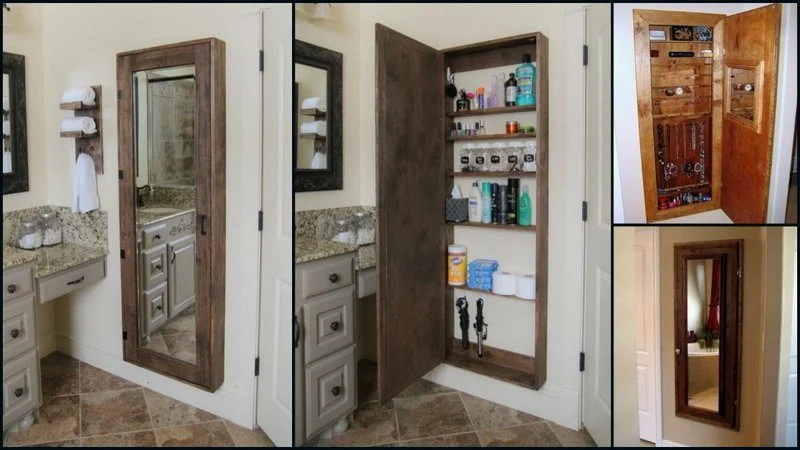
Smart storage mirrors are mirrors with built-in storage compartments, cabinets, or shelves. They allow homeowners to store toiletries, cosmetics, or decorative items while maintaining a sleek and modern appearance.

These mirrors can be:

  • Wall-mounted cabinets with mirrored doors
  • Sliding mirror panels revealing hidden shelves
  • Frameless designs with recessed compartments

Smart mirrors combine organization, elegance, and space efficiency, making them ideal for small apartments and modern homes (hgtv.com).


🪞 Benefits of Smart Storage Mirrors

  1. Space-Saving
    • Hides clutter behind reflective surfaces
    • Frees up countertop or wall space in small bathrooms or bedrooms
  2. Aesthetic Appeal
    • Frameless or minimalistic designs maintain modern elegance
    • Reflective surfaces make rooms appear larger and brighter
  3. Multi-Functional Design
    • Combines lighting, storage, and reflection in one unit
    • Some designs include LED lights, anti-fog coatings, or smart controls (architecturaldigest.com)
  4. Customization
    • Shelving sizes, door types, and finishes can be tailored to your needs
    • Perfect for bathrooms, dressing areas, and entryways

🏠 Ideal Rooms for Smart Storage Mirrors

1. Bathrooms

  • Hide toiletries, skincare, and grooming products
  • Combine with LED or anti-fog features for convenience
  • Ideal for small or family bathrooms where counter space is limited (elledecor.com)

2. Bedrooms and Dressing Areas

  • Conceal jewelry, cosmetics, and accessories
  • Enhance room brightness and visual space
  • Can be integrated with wardrobe or closet systems

3. Entryways and Hallways

  • Store keys, wallets, and small items
  • Offers a last-minute check mirror before leaving the home
  • Keeps clutter out of sight while maintaining a polished look

🛠️ Tips for Choosing the Right Smart Storage Mirror

  1. Measure Accurately
    • Ensure the mirror fits your wall and provides sufficient storage
    • Consider depth, width, and height for both mirror and compartments
  2. Select Appropriate Materials
    • Moisture-resistant MDF or metal for bathrooms
    • Tempered glass or silver-backed mirrors for durability and clarity
  3. Lighting Options
    • Backlit LEDs enhance visibility and modern appeal
    • Anti-fog lighting ensures clarity in steamy bathroom conditions
  4. Style Coordination
    • Match frame or cabinet finish with bathroom tiles, cabinets, or furniture
    • Choose frameless or minimalistic designs for contemporary interiors

💡 Installation and Maintenance Tips

  • Mount mirrors securely to wall studs or appropriate anchors
  • Clean regularly with microfiber cloths and gentle cleaners
  • Avoid placing heavy items inside shallow cabinets to prevent stress
  • Check for moisture exposure in bathrooms to prevent warping or tarnishing

🌟 Final Thoughts

Smart storage mirrors are a perfect combination of function and style, offering practical storage solutions without compromising design. They make small spaces feel larger, brighten rooms, and keep essentials organized and hidden.

Key takeaways:

  • Bathrooms: Anti-fog, LED, and moisture-resistant mirrors
  • Bedrooms: Sleek designs for accessories and cosmetics
  • Entryways: Functional organization with style

For custom smart mirrors designed to your exact space and style requirements, explore:
👉 Custom Mirrors for Home Interiorshttps://www.glassmirrorpro.com/custom-mirrors/

Tips

How to Avoid Common Mirror Distortion Issues

Dec 14, 2025

Tips for Clear, Undistorted Reflections in Your Home

Mirrors are more than just decorative pieces—they enhance light, space, and functionality in any room. However, a distorted mirror can ruin both aesthetics and usability. Understanding the causes of mirror distortion and how to prevent them is crucial when investing in custom mirrors.

For high-quality custom mirrors designed to your exact specifications, visit:
👉 Custom Mirrors for Home Interiorshttps://www.glassmirrorpro.com/custom-mirrors/


🔹 What Causes Mirror Distortion?

Mirror distortion occurs when the reflected image appears warped, wavy, or stretched. Common causes include:

  1. Improperly manufactured mirrors – thin or low-quality glass can bend slightly
  2. Uneven wall surfaces – mirrors mounted on uneven walls can flex or warp (hgtv.com)
  3. Temperature and humidity changes – bathrooms and kitchens can cause expansion and contraction
  4. Incorrect mounting or support – insufficient support for large or heavy mirrors
  5. Poor-quality backing or silvering – can affect reflective clarity

📏 Choosing the Right Mirror Type

1. Opt for Tempered or Thicker Glass

  • Tempered glass is stronger and more resistant to warping
  • 4–6mm thick mirrors reduce flexing and ensure stability for larger sizes (architecturaldigest.com)

2. Silver-Backed Mirrors

  • High-quality silver-backed mirrors offer clearer, more accurate reflections than standard mirrored coatings
  • Resistant to yellowing and long-term distortion

🪞 Proper Mounting Techniques

  • Ensure walls are flat, smooth, and plumb
  • Use studs, anchors, or mounting brackets suitable for the mirror size and weight
  • For very large mirrors, consider professional installation to prevent sagging or flexing (elledecor.com)

Tip: Floating mirrors or large panels may require multiple mounting points for uniform support.


🧼 Environmental Considerations

  • Avoid mounting mirrors directly over heaters or air vents, which can cause temperature fluctuations
  • In bathrooms, choose moisture-resistant mirrors to prevent expansion from humidity
  • Maintain consistent room temperature and ventilation to reduce stress on the glass

💡 Avoiding Common Mistakes

  1. Using very thin mirrors for large walls – leads to sagging or bowing
  2. Skipping wall prep – uneven surfaces cause flexing and distortion
  3. Ignoring moisture protection – especially in bathrooms or kitchens
  4. DIY mounting without brackets – can result in flex and warped reflections
  5. Purchasing low-quality mirrors – cheap glass often distorts over time

🛠️ Maintenance Tips to Minimize Distortion

  • Clean with a soft microfiber cloth and non-abrasive glass cleaner
  • Avoid leaning heavy objects against mounted mirrors
  • Inspect mirror edges and backing periodically for signs of warping or detachment

🌟 Final Thoughts

Mirror distortion can ruin the beauty and functionality of your reflective surfaces. Choosing high-quality custom mirrors, mounting them correctly, and maintaining proper environmental conditions ensures clear, undistorted reflections.

Key takeaways:

  • Use tempered or thicker glass for large installations
  • Ensure flat, stable wall surfaces
  • Avoid extreme humidity and temperature fluctuations
  • Select premium silver-backed mirrors for lasting clarity

For custom mirrors crafted to your specifications, designed to prevent distortion and enhance any room, explore:
👉 Custom Mirrors for Home Interiorshttps://www.glassmirrorpro.com/custom-mirrors/

Tips

Decorative Mirror Frames: Choosing the Right Material and Style

Dec 14, 2025

How to Select the Perfect Frame for Your Custom Mirror

A mirror frame can completely change the look and feel of a space. While a mirror reflects light and opens up a room, the frame adds personality, texture, and design impact. Choosing the right frame involves considering material, style, color, and durability to complement both your mirror and your interior décor.

For high-quality custom mirrors with tailored frames, explore:
👉 Custom Mirrors for Home Interiorshttps://www.glassmirrorpro.com/custom-mirrors/


🔹 Why the Right Mirror Frame Matters

The frame of a mirror influences:

  • Aesthetic appeal: Modern, traditional, rustic, or luxurious
  • Visual balance: Complements furniture, wall color, and décor
  • Durability: Protects mirror edges and ensures longevity
  • Functionality: Some materials resist moisture, scratches, and wear

A well-chosen frame transforms a simple mirror into a focal point or design statement (elledecor.com).


🪞 Popular Mirror Frame Materials

1. Wood Frames

Wood is classic and versatile, available in finishes like oak, walnut, or painted MDF.

Advantages:

  • Warm and inviting aesthetic
  • Can be carved, stained, or painted
  • Works for traditional, rustic, and modern interiors

Best Use: Bedrooms, living rooms, hallways, or bathrooms with moisture-resistant coatings (hgtv.com)


2. Metal Frames

Metal frames add sleekness and durability, commonly in finishes like gold, silver, black, or bronze.

Advantages:

  • Strong and long-lasting
  • Modern or industrial look
  • Low maintenance, resistant to warping

Best Use: Contemporary bathrooms, living spaces, or entryways (architecturaldigest.com)


3. Resin or Composite Frames

Resin frames are lightweight and can mimic wood or stone.

Advantages:

  • Cost-effective
  • Easy to customize with intricate designs
  • Moisture-resistant for bathrooms

Best Use: Bathrooms, powder rooms, and decorative accent mirrors


4. Glass or Mirror Frames

Mirrored frames provide a glamorous and reflective look, enhancing light and space.

Advantages:

  • Elegant, luxurious style
  • Enhances room brightness
  • Works well in modern, art deco, or luxury interiors

Best Use: Living rooms, dressing areas, and decorative feature walls (elledecor.com)


🖼️ Choosing the Right Frame Style

  1. Classic Frames: Traditional wood or ornate resin frames for a timeless look
  2. Minimalist Frames: Slim metal or simple polished wood for modern interiors
  3. Bold Statement Frames: Large, textured, or mirrored frames for feature walls
  4. Floating Frames: Gives the illusion the mirror is suspended, ideal for contemporary spaces

Tip: Consider color and texture to harmonize with furniture, wall color, and décor elements.


🛠️ Frame Considerations for Custom Mirrors

  • Moisture resistance: Bathrooms require water-resistant materials like metal, resin, or treated wood
  • Weight: Large mirrors need frames that can support the glass safely
  • Installation: Ensure proper anchoring and wall support
  • Maintenance: Polished or painted frames may require periodic cleaning to retain shine

💡 Design Tips

  • Mix and Match: Pair a simple frameless mirror with a bold framed accent mirror
  • Layering: Combine multiple framed mirrors for gallery-style wall arrangements
  • Scale and Proportion: Ensure the frame size complements the wall and furniture
  • Statement Pieces: Oversized framed mirrors can serve as art-like focal points (hgtv.com)

🌟 Final Thoughts

Choosing the right decorative mirror frame enhances both functionality and style. The material and style you select should reflect your room’s theme, personal taste, and durability needs.

  • Wood frames: Classic warmth and versatility
  • Metal frames: Sleek, modern, and durable
  • Resin frames: Lightweight, customizable, moisture-resistant
  • Mirrored frames: Luxurious, reflective, and brightening

For custom mirrors with frames designed to match your space perfectly, explore:
👉 Custom Mirrors for Home Interiorshttps://www.glassmirrorpro.com/custom-mirrors/

Tips

How to Choose the Right Thickness for Your Custom Mirror

Dec 14, 2025

A Comprehensive Guide to Selecting the Perfect Mirror Thickness

When designing a custom mirror, thickness matters just as much as size, shape, and style. The thickness of a mirror affects durability, safety, visual clarity, and installation options. Choosing the wrong thickness can compromise both the functionality and aesthetics of your mirror.

This guide explains the common mirror thicknesses, their ideal applications, and tips for choosing the best option for your home.

For premium custom mirrors made to your exact specifications, visit:
👉 Custom Mirrors for Home Interiorshttps://www.glassmirrorpro.com/custom-mirrors/


🔹 Why Mirror Thickness Matters

Mirror thickness impacts:

  • Durability: Thicker mirrors are less prone to cracking or warping.
  • Safety: Thin mirrors may shatter more easily, especially in high-traffic or humid areas.
  • Appearance: Heavier mirrors feel more substantial and reflect light differently.
  • Installation: Very thick mirrors may require stronger mounting hardware (hgtv.com).

📏 Standard Mirror Thickness Options

  1. 3mm (1/8 inch)
    • Lightweight and economical
    • Suitable for small decorative mirrors or low-traffic areas
    • Often used in framed mirrors where the frame supports the glass
  2. 4mm (5/32 inch)
    • Most common thickness for general use
    • Offers good durability for bathrooms, bedrooms, and hallways
    • Compatible with framed or frameless designs (architecturaldigest.com)
  3. 5mm (3/16 inch)
    • Provides extra sturdiness for larger mirrors
    • Ideal for full-length or wall-spanning mirrors
    • Reduces flexing and vibration, especially on large surfaces
  4. 6mm (1/4 inch) or thicker
    • Suitable for heavy, oversized mirrors or commercial installations
    • Often used in premium frameless designs
    • Provides a luxurious, solid appearance

🪞 Factors to Consider When Choosing Thickness

1. Mirror Size

  • Small mirrors (under 2ft x 2ft): 3–4mm thickness is sufficient
  • Medium mirrors (2ft x 2ft to 4ft x 4ft): 4–5mm thickness recommended
  • Large mirrors (over 4ft in any dimension): 5–6mm for stability and safety

2. Placement

  • Bathrooms: Consider moisture-resistant 4mm or 5mm tempered glass to prevent warping
  • Bedrooms and Living Areas: Standard 4mm works unless the mirror is very large
  • High-Traffic Areas: Thicker mirrors reduce the risk of accidental breakage (hgtv.com)

3. Frame vs Frameless

  • Framed mirrors: Frames provide support, so thinner glass (3–4mm) may suffice
  • Frameless mirrors: Thicker glass (5–6mm) ensures rigidity and prevents flexing

🛠️ Safety and Durability Tips

  1. Tempered glass: Always use tempered mirrors for bathrooms, children’s rooms, or large installations
  2. Backings: Ensure silver-backed or moisture-resistant coatings are applied correctly to prevent corrosion
  3. Edge finishing: Beveled, polished, or seamed edges reduce the risk of chipping (elledecor.com)
  4. Mounting hardware: Thicker mirrors are heavier and require stronger anchors

💡 Practical Recommendations

  • Small decorative mirror: 3mm with frame support
  • Standard bathroom or bedroom mirror: 4mm tempered glass
  • Full-length or wall-mounted mirror: 5mm or 6mm for added stability
  • Large commercial or feature wall mirrors: 6mm or thicker, tempered and properly supported

Tip: Always consult your custom mirror supplier about weight limits and wall support before ordering large or thick mirrors.


🌟 Final Thoughts

Mirror thickness is a critical detail that affects durability, safety, installation, and aesthetic appeal. Selecting the right thickness ensures your custom mirror:

  • Fits your space perfectly
  • Maintains structural integrity
  • Provides long-lasting beauty

For custom mirrors with the ideal thickness, size, and edge finish, designed to fit any wall perfectly, explore:
👉 Custom Mirrors for Home Interiorshttps://www.glassmirrorpro.com/custom-mirrors/