Tips

Tips

Can Frosted Glass Be Repaired or Re-Frosted?

Dec 14, 2025

What Homeowners Should Know About Restoration, Repair & Surface Renewal

Frosted glass is prized for its privacy, light diffusion, and modern aesthetic. But what happens when the frosted surface gets scratched, stained, or dulled over time? Many homeowners wonder:

  • Can frosted glass be repaired?
  • Is it possible to re‑frost an existing panel?
  • What options are available if the finish is damaged?

This guide answers those questions in clear, practical terms — so you know when a repair is possible and when replacement may be the best solution.


🧱 The Nature of Frosted Glass

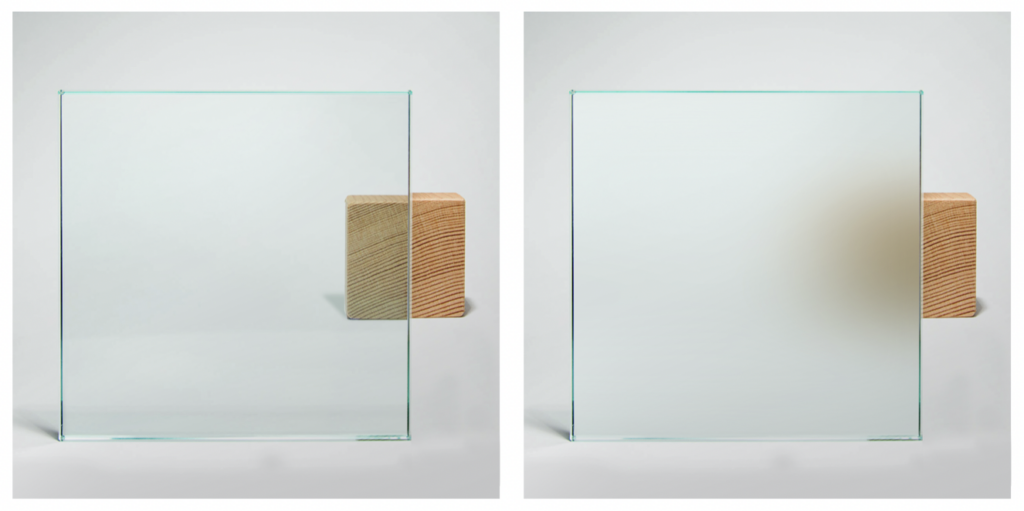
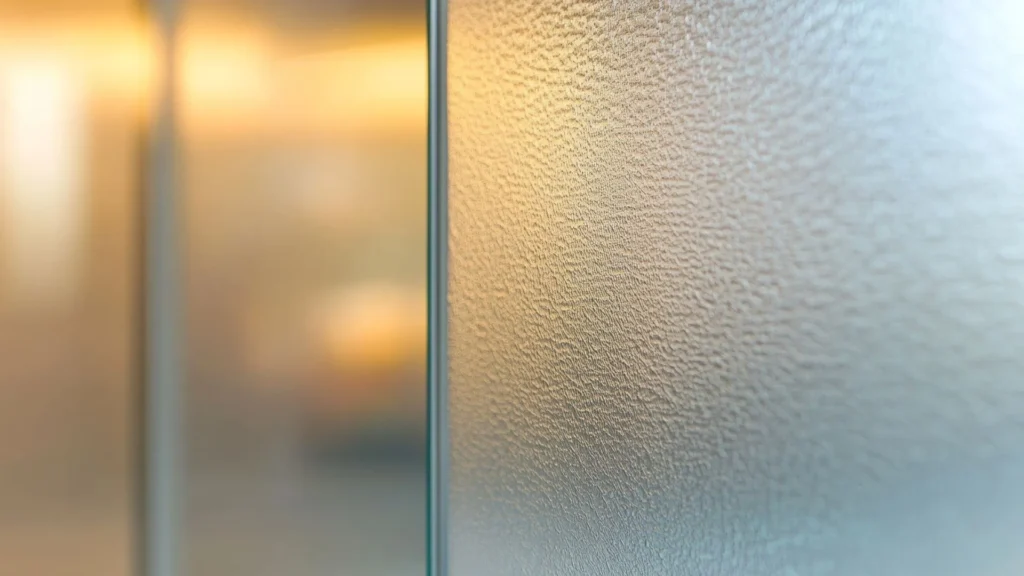
Frosted glass is created by altering the glass surface — either by acid etching, sandblasting, or similar treatments — to create a finish that scatters light and obscures vision. Because the texture is physically or chemically embedded into the glass, it behaves differently from a surface coating or film. Wikipedia

Two things to understand:

  1. The matte finish is part of the glass itself — not just a coating that sits on top.
  2. This makes traditional “repairs” more complex compared to simply swapping out a film or repainting.

🔧 Can Frosted Glass Be Repaired?

✅ Minor Surface Issues

Small issues like light scratches, mild smudges, or dull spots can sometimes be addressed with cleaning and polishing:

  • Gentle cleaning with mild, non‑abrasive solutions can improve appearance without damaging the surface. Glass Helper
  • For light scratches or marks, a glass polishing compound or specialized scratch‑removal kit can reduce visibility, though results vary based on how deep the scratch is. TP Top Glass

These methods don’t restore the original frosted etch, but they can help improve the glass surface visually.

Tip: Always start with a gentle cleaning before attempting any abrasive polishing, as embedded dust and grit can worsen scratches if rubbed into the surface. Glass Helper


⚠️ Major Damage & Deep Surface Wear

When frost texture has worn down, lost uniformity, or been permanently smoothed in spots, true repair becomes extremely difficult.

Because the frosted effect is an alteration of the glass surface itself:

  • You cannot simply “refrost” only a localized area to match the rest seamlessly — the new etched area will look different without carefully controlled refinishing.
  • Many technicians and DIY‑ers caution that once the surface is smoothed or polished, restoring the original matte look is almost impossible without re‑texturing the entire panel. Learn Glass Blowing

In practical terms, this means the glass often needs a full surface re‑treatment or replacement to restore consistency.


🛠️ Can Frosted Glass Be Re‑Frosted?

🧼 For Film or Coating Frosting

If the “frosted” finish is actually a film, spray coating, or temporary frosting technique, then it can often be changed:

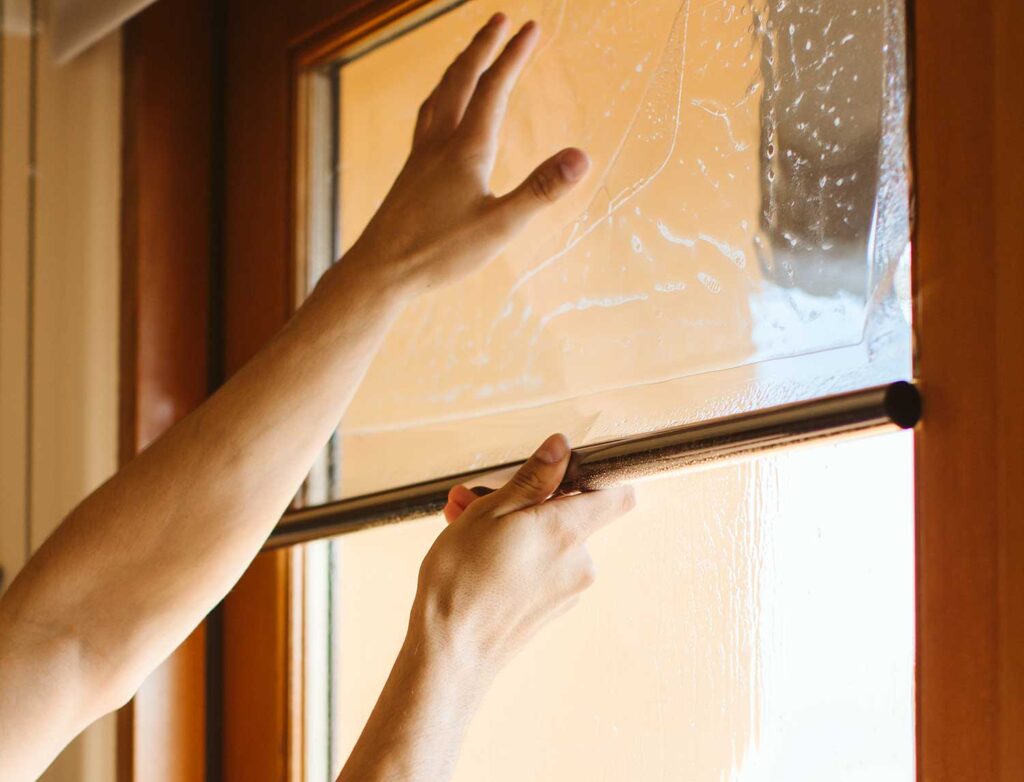
  • Many frosted films can be carefully peeled off or replaced if they are applied over regular glass.
  • Special chemical removers or solvents can strip certain DIY sprays or coatings. Glass Helper

However, this does not apply to etched or abraded frosted glass, where the surface has been permanently altered.


🔁 For Etched or Sandblasted Glass

When glazing has been etched or sandblasted — the most common methods for high‑quality architectural frosted glass — re‑frosting is effectively a full refinishing job, not a simple tweak:

  • Re‑texturing requires professional tools like sandblasting cabinets or controlled acid etching setups.
  • Attempting DIY sandblasting or acid etching is not recommended due to safety risks and the difficulty of ensuring even texture and depth across the surface.

In most cases, professionals recommend replacing the entire glass panel if the textured surface is irreparably damaged. TP Top Glass


🧼 Professional Options for Damaged Frosted Glass

Here are the real options if your frosted glass is compromised:

❇️ 1. Professional Cleaning & Polish

Glass repair specialists can use:

  • Polishing agents to minimize light surface scratches
  • Glass buffer tools for light wear
  • Special cleaning protocols to remove deep stains without losing texture

This doesn’t restore original frosting, but it can improve appearance significantly on superficial issues. TP Top Glass

🔄 2. Fully Re‑Textured or Re‑Etched Glass

A glazing professional may be able to:

  • Re‑sandblast the entire surface to create a new frosted finish
  • Acid‑etch in a controlled chamber to ensure even frost

This is essentially the same process used when the glass was first manufactured, and it’s best left to experts to ensure a consistent finish.

Important: Partial re‑texturing rarely matches the original and may make the pane look uneven if only part is treated.

🪟 3. Replacement Glass

If the damage is extensive — cracks, deep grooves, or worn spots — replacement is usually the most reliable solution. Modern frosted glass panels can be custom cut to size and finished to match your design goals perfectly.


🧠 When to Choose What

Here’s a breakdown to help you decide:

✔️ Surface mark or light scratch — Try cleaning and mild polishing first.
✔️ Uneven frost or major damage — Consult a professional about re‑texturing the entire panel.
✔️ Deep cracks or structural damage — Replacement is safest and most visually uniform.


🪞 Cleaning & Maintenance That Helps Avoid Future Issues

Routine care can reduce the risk of needing repair:

  • Use mild, non‑abrasive cleaners specifically for glass. Glass Doctor
  • Avoid abrasive scrubbers, steel wool, or harsh chemicals that can smooth or dull the textured surface. Glass Helper
  • Regular gentle cleaning prevents buildup that could lead to scratching over time. Better Glass

Proper maintenance maximizes the lifespan of the frosted finish — and helps minimize the need for surface repair.


🏡 Custom Frosted Glass for Your Home

In many projects — especially bathrooms, partitions, or decorative glazing — custom frosted glass that’s built to last is the best long‑term solution. These panels are made to exact specifications, with durable finishes that meet both aesthetic and functional needs.

Explore high‑quality, custom‑finished frosted glass options suited for residential and interior use:
👉 Frosted Glass for Long‑Lasting Performancehttps://www.glassmirrorpro.com/frosted-glass/


🧩 Final Takeaways

  • Frosted glass can sometimes be improved if damage is light or superficial.
  • True repair of etched finishes is limited — especially for deep wear or texture loss.
  • Re‑frosting generally involves professional re‑texturing or replacement rather than DIY fixes.
  • Regular gentle maintenance prevents damage and prolongs the original finish.

By understanding what’s possible — and when professional intervention is warranted — you can keep your frosted glass features looking great and performing well for years to come.
Tips

Frosted Glass vs Window Film: Which Option Is Better Long-Term?

Dec 14, 2025

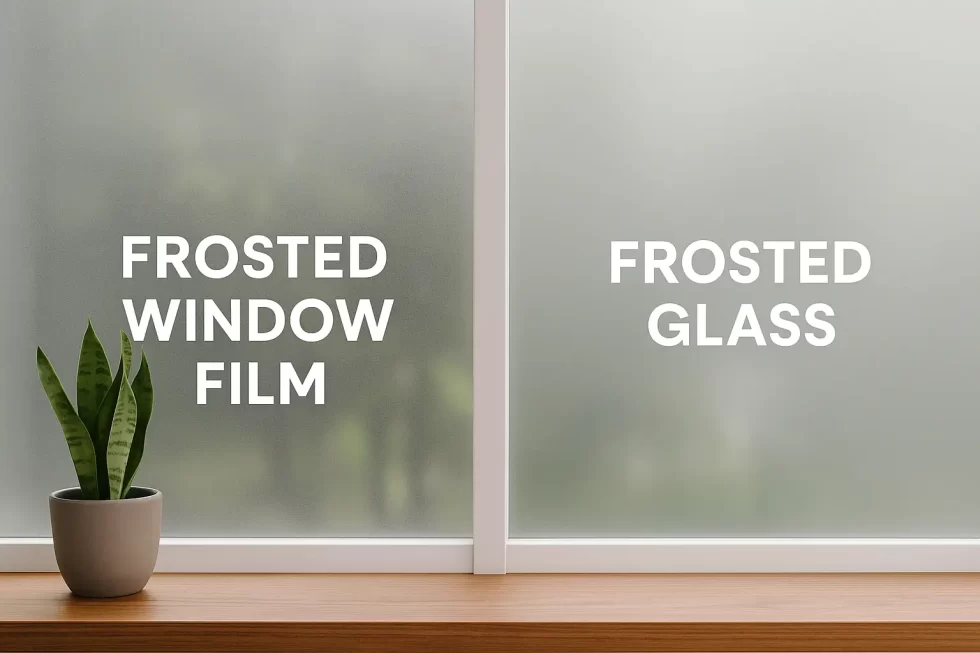
When enhancing privacy and aesthetics for windows, shower screens, partitions, or interior spaces, two popular options often come up:

  • 🔹 Frosted glass — where the glass itself is permanently textured
  • 🔹 Window film — a thin, adhesive layer applied to existing glass

Both aim to diffuse light and block visibility, but they differ significantly in durability, performance, installation, maintenance, and long‑term value. Choosing the right one depends on how you plan to use it, your budget, and the expected lifespan of the solution.

In this detailed comparison, we’ll walk through the key differences between frosted glass and window film, helping you decide which is the better long‑term option for your home or project.


❓ What Is Frosted Glass?

Frosted glass is made by permanently altering the surface of the glass through processes like acid etching or sandblasting, creating a matte, translucent finish that obscures visibility while still allowing light to pass through.

For high‑quality, tailor‑made frosted glass solutions suitable for home interiors — including bathroom privacy, partitions, or decorative applications — explore frosted glass options made for real architectural use:
👉 Frosted Glass for Long‑Term Usehttps://www.glassmirrorpro.com/frosted-glass/


❓ What Is Window Film?

Window film is a thin vinyl or polyester sheet that is adhered to the surface of existing glass to create a frosted or privacy‑enhancing effect. It’s often marketed as frosted window film or privacy film and can include decorative or patterned finishes. Pro Superior Construction


🔍 Comparison: Frosted Glass vs Window Film

Let’s break down the most important factors to consider for long‑term performance.


🧱 1. Durability & Longevity

Frosted Glass

  • ❇️ Permanent Frosting: The frosted effect is integrated into the glass itself, so there’s no risk of peeling, bubbling, or adhesive failure over time. MGT Films
  • 🕰️ Long‑Lasting: Designed to last for decades with minimal maintenance.

Window Film

  • 💸 Finite Lifespan: Even high‑quality window film typically lasts several years but will wear out eventually, especially under direct sunlight or frequent cleaning. MGT Films
  • 🔄 Replaceable but Temporary: Films may peel, bubble, or degrade and need replacement over time — which adds recurring cost and labor. Security Film

Winner for Long‑Term: ❇️ Frosted Glass


💰 2. Cost Considerations

Frosted Glass

  • 💵 Higher Upfront Cost: Producing, transporting, and installing frosted glass is more expensive than applying film. Security Film
  • 🛠️ Installation Costs: Professional installation is often required.

Window Film

  • 💡 Lower Initial Cost: Window film is one of the most cost‑effective ways to add privacy or style. Pro Superior Construction
  • 🧑‍🔧 DIY‑Friendly: Many films are designed for homeowner installation.

Winner for Cost: 💸 Window Film (upfront)

But when you consider cost per year of life span, frosted glass often becomes more economical long‑term due to its durability.


🧰 3. Installation & Flexibility

Frosted Glass

  • 🧱 Permanent Installation: Once installed, the design can’t be easily changed or removed without replacing the glass. Security Film
  • 🏠 Professional Work Needed: Usually installed by glass specialists.

Window Film

Winner for Flexibility: 🧰 Window Film


☀️ 4. Light & Privacy Performance

Frosted Glass

  • 🌤️ Consistent Light Diffusion: Offers stable privacy and light transmission without variation seasonally or due to lighting conditions. MGT Films
  • 🧼 Professional Quality: No seams, bubbles, or finish imperfections.

Window Film

  • ☁️ Good Privacy: Many films provide solid daytime and night time privacy if properly selected (especially frosted films). WF Glazing Protection
  • ⚠️ Sensitive to Light Conditions: Some non‑frosted or decorative films can appear less effective at night unless complemented with other treatments. Bilanco Blinds Grangemouth

Winner for Consistent Privacy & Light: ☀️ Frosted Glass


🧼 5. Maintenance & Care

Frosted Glass

  • 🧽 Simple Maintenance: Clean like regular glass using non‑abrasive cleaners. Glass Frosting Powder
  • 🧴 No Peeling or Bubbles: No adhesive layers to degrade.

Window Film

  • 🧼 Regular Care Needed: Must avoid abrasive cleaners that can damage the film.
  • 📉 Possible Replacements: Over time, films may require removal and reapplication to maintain appearance.

Winner for Easier Upkeep: 🧼 Frosted Glass


📐 6. Aesthetics & Visual Appeal

Frosted Glass

  • 🏛️ Elegant, Seamless Look: Offers a premium finish that integrates fully with architectural glass. MGT Films
  • 📏 Factory Precision: Uniform frosting finish with no edges or seams.

Window Film

Winner for Premium Aesthetic: 📐 Frosted Glass
Winner for Decorative Flexibility: 🎨 Window Film


🔎 Side‑by‑Side Summary: Long‑Term Comparison

FeatureFrosted GlassWindow Film
Durability⭐⭐⭐⭐ Permanent⭐⭐ May degrade
Cost (Upfront)⭐⭐ Higher⭐⭐⭐ Lower
Lifetime Value⭐⭐⭐⭐ Excellent⭐⭐ Good
Privacy Performance⭐⭐⭐⭐ Stable⭐⭐⭐ Good
Light Transmission⭐⭐⭐⭐ Consistent⭐⭐⭐ Variable
Maintenance⭐⭐⭐⭐ Easy⭐⭐ Moderate
Style Flexibility⭐⭐ Classic⭐⭐⭐ Creative

🧠 Which One Is Better Long‑Term?

If your goal is durability, ongoing privacy, premium aesthetics, and lowest lifetime cost, then frosted glass is the superior long‑term solution. Its finish is permanent, easy to maintain, and consistently delivers privacy without the potential issues (peeling, bubbles) that films may face over time. MGT Films

However, if your priority is low upfront cost, design flexibility, and temporary privacy enhancements, window film is still a valid choice — especially for renters or those experimenting with interior styles before committing to permanent changes. Pro Superior Construction


🛠️ Practical Use Cases

✅ Best for Frosted Glass

  • Permanent bathroom privacy
  • Shower doors and glass partitions
  • High‑traffic interior zones
  • Long‑life residential upgrades

✅ Best for Window Film

  • Rental properties
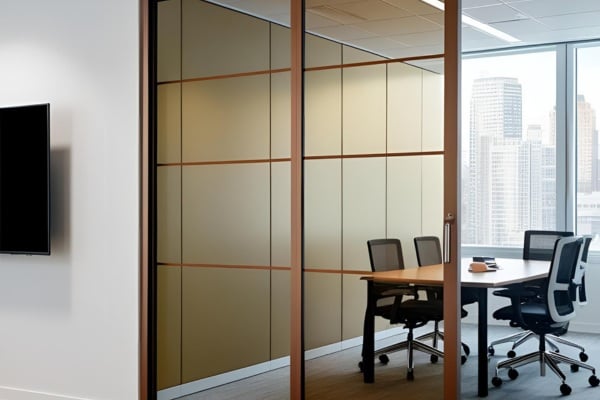
  • Temporary office or meeting room privacy
  • Decorative patterns that may change over time

🔗 Explore High‑Quality Frosted Glass Options

If you want a durable, long‑lasting privacy solution for your windows or interior partitions, check out custom frosted glass options designed for residential and commercial use:
👉 Frosted Glass Privacy & Design Solutionshttps://www.glassmirrorpro.com/frosted-glass/


🧩 Final Thoughts

Both frosted glass and window film deliver privacy and light control, but they serve different long‑term needs:

Frosted glass — Best for permanent, elegant, low‑maintenance solutions
Window film — Best for temporary or budget‑friendly projects

Your choice should reflect how long you want the solution to last, how much maintenance you’re willing to do, and how important design flexibility is to your space.

Tips

Acid‑Etched vs Sandblasted Frosted Glass: Key Differences Explained

Dec 14, 2025

Frosted glass is a popular architectural and interior design material used to enhance privacy, light diffusion, and aesthetic appeal. Two of the most common methods for creating frosted glass are acid etching and sandblasting — each with its own production technique, finish characteristics, performance qualities, and ideal applications.

Understanding the difference between acid‑etched and sandblasted frosted glass helps homeowners, designers, and builders choose the right material for windows, partitions, shower doors, decorative elements, and more.

In this guide, we’ll break down the key differences between these two methods, how they affect performance, appearance, maintenance, and which one might be best for your project.


🧪 What Are Acid‑Etched and Sandblasted Glass?

Before we compare the two, it’s important to understand what each process involves:

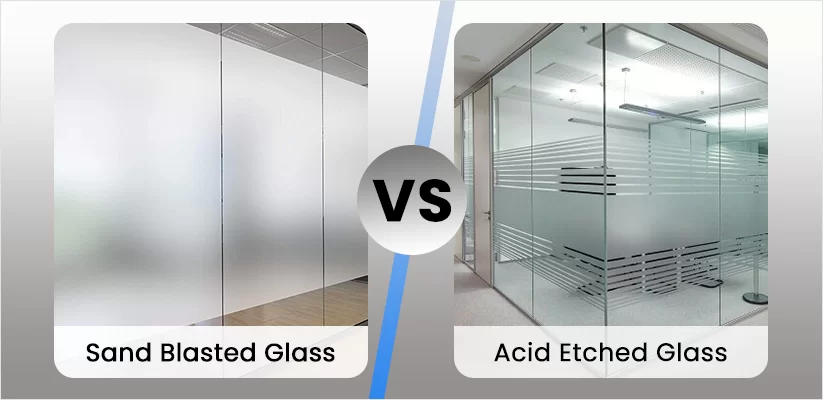
  • Acid‑Etched Glass — This type of glass is treated with chemicals (usually hydrofluoric acid) that chemically erode the surface, producing a smooth, satin‑like matte finish. materialdif.com+1
  • Sandblasted Glass — This glass is created by physically blasting abrasive material (like sand) at the glass surface under high pressure, resulting in a more textured and granular finish. Roen Glass+1

Both methods achieve a frosted effect, but the way they alter the glass surface results in distinct differences in texture, light performance, privacy, maintenance, and cost.


🎨 Surface Appearance and Texture

Acid‑Etched Glass

Acid etching produces a smooth, uniform matte finish that feels silky to the touch. It delivers consistent opacity and subtle light diffusion without the roughness seen in sandblasted glass. This makes it ideal for modern interiors where a refined appearance is prioritized. materialdif.com+1

Sandblasted Glass

Sandblasted glass has a slightly rougher, grainier finish due to the abrasive blasting process. The texture can vary depending on pressure, grit size, and masking techniques used — which also means it’s very workable for patterns, gradients, or artistic effects. Roen Glass+1

Key takeaway:
Acid‑etched glass generally looks smoother and more elegant, while sandblasted glass has a more tactile, textured surface.


☀️ Light Diffusion and Privacy

Both acid‑etched and sandblasted glass scatter light well, lowering glare and softening shadows. However, the degree of light transmission and privacy control can differ:

  • Acid‑Etched Glass: Offers uniform light diffusion and soft translucency that maintains brightness while concealing details. Mannlee –
  • Sandblasted Glass: Its depth and variable texture can produce slightly higher visual obstruction, making it useful for spaces where privacy is a top priority. glassforum.org – Online glass community

This makes sandblasted glass ideal for decorative or privacy‑heavy installations, while acid‑etched glass is suited for minimalist spaces that prioritize soft, even illumination.


🧼 Maintenance and Durability

Maintenance needs and long‑term performance are important considerations:

Acid‑Etched Glass

  • The smooth surface resists smudges and fingerprints better because it doesn’t have deep pits to trap dirt. materialdif.com
  • Easier to keep clean with basic glass cleaners and soft cloths.

Sandblasted Glass

  • The textured surface can trap dust and oils, requiring more frequent cleaning and slightly more effort to maintain. Roen Glass
  • However, the texture itself is durable and can handle heavy use in high‑traffic areas.

In practical use:
If ease of cleaning and a sleek aesthetic are priorities, acid‑etched glass usually wins out. If you need stronger surface texture with bold light blocking, sandblasted glass performs well.


🧱 Design Flexibility & Patterning

Both methods can include design elements — but they differ in capability:

  • Acid Etching allows very precise patterns and gradients due to the controlled chemical application. Mannlee –
  • Sandblasting excels at creating complex, layered designs, especially where deep textures or stencil‑based art is desired. Roen Glass

For highly detailed graphics, etched or engraved patterns created with resist masks during sandblasting offer design versatility often preferred in bespoke architectural installations.


💰 Cost Differences

Production cost depends on process complexity:

  • Acid‑Etched Glass tends to be more expensive due to chemical use, safety handling, and controlled manufacturing conditions. materialdif.com
  • Sandblasted Glass is generally more affordable because abrasive blasting equipment and media are easier to source and operate. Roen Glass

Factors such as panel size, customization level, and finish complexity also influence final pricing.


🏡 Best Uses and Applications

Both types of frosted glass are excellent choices — but certain applications play to their strengths:

Best for Acid‑Etched Glass

  • Interior privacy screens where a clean minimalist look is desired
  • Shower doors and bathroom partitions for subtle sophistication
  • Office partitions that need soft light transmission without visual clutter Mannlee –

Best for Sandblasted Glass

  • Custom patterned walls or decorative elements
  • Signage, logos, and textured architectural accents
  • Heavy privacy scenarios like conference rooms or visual screening panels Roen Glass

🧠 Choosing the Right Glass for Your Project

Here’s a quick decision guide:

Go with Acid‑Etched Glass if you want a smooth, elegant finish, easy maintenance, and refined light diffusion.
Choose Sandblasted Glass if you want texture, design flexibility, and more pronounced privacy effects.

Both methods provide high‑quality frosted finishes that add style, privacy, and light control to interiors and exteriors alike.


🔗 Explore Custom Frosted Glass Options

If you’re considering using frosted glass in your home design — whether for partitions, doors, windows, or decorative panels — see custom frosted glass solutions designed for residential and interior use:
👉 Acid‑Etched & Sandblasted Frosted Glass for Homeshttps://www.glassmirrorpro.com/frosted-glass/


🧩 Summary: Side‑by‑Side Comparison

FeatureAcid‑Etched GlassSandblasted Glass
Finish TextureSmooth, satinTextured, grainy
Light DiffusionElegant, uniformStronger diffusion
MaintenanceEasier to cleanRequires more effort
Design FlexibilityGreat for fine detailGreat for bold patterns
CostHigherModerate
Best forMinimalist, refined spacesDecorative, high privacy areas
Tips

Frosted Glass for Bathrooms: Safety, Moisture Resistance & Maintenance

Dec 14, 2025

Everything You Need to Know for a Durable, Stylish & Functional Space

Frosted glass has become a top choice in modern bathroom design thanks to its unique ability to deliver privacy and light while withstanding the challenging environment of a bathroom. Whether used in shower doors, partitions, or windows, frosted glass provides aesthetic appeal and practical performance — but only when you understand its safety, moisture resistance, and maintenance needs.

In this article, we’ll explore how frosted glass performs in a bathroom, its safety advantages, how it handles moisture and humidity, and the best practices for keeping it looking great over time.


🛡️ Safety: Why Frosted Glass Is a Smart Choice for Bathrooms

One of the biggest concerns homeowners have with any glass installation in wet areas like bathrooms is safety. Thankfully, when you choose quality frosted glass — especially tempered or toughened variants — you are selecting a material that’s significantly safer than standard glass.

Tempered Glass Is Designed for Safety

Unlike ordinary glass, frosted glass used in shower enclosures and bathroom partitions is almost always tempered. Tempering involves heating and rapidly cooling the glass to increase its strength. As a result:

  • It resists impact more effectively than regular glass.
  • If it does break, it shatters into small, blunt pieces rather than sharp shards, greatly reducing the risk of injury. Evans Glass Company

The safety characteristics of tempered glass are one reason building codes in many regions actually require tempered glass for shower doors and other bathroom glass installations. Evans Glass Company

Frosted Surface Adds Everyday Protection

The matte finish of frosted glass not only enhances privacy but also increases surface friction compared to ultra‑smooth transparent glass. This means it’s less slippery when wet, which can be an added safety benefit in shower enclosures. Tianjin Luck Glass Technology Co., Ltd


💧 Moisture Resistance: Built for Wet Environments

Bathrooms are inherently humid, with steam and moisture present with every shower. Your choice of materials needs to resist corrosion, warping, mold, and structural degradation.

Non‑Porous Surface Resists Moisture Problems

Frosted glass has a non‑porous surface, which means it doesn’t absorb water — a key advantage over wood, plaster, or other porous materials that can warp or deteriorate over time in damp conditions. Restloo

Because it doesn’t absorb moisture:

  • It doesn’t promote mold or mildew growth
  • It doesn’t rot or corrode, unlike wood or metal in untreated environments
  • Soap scum, water spots, and grime show less visibly than on clear glass or shiny surfaces — often reducing the frequency of cleaning needed. RooHome – Your Home Design & Plans

Tempered Glass Also Handles Heat and Humidity Well

Tempered glass is not just stronger — it’s designed to handle thermal stress from rapid changes in temperature without fracturing. That’s especially useful in bathrooms where hot showers and cool air often alternate rapidly. Evans Glass Company


🧼 Maintenance: Easy Care for Long‑Lasting Beauty

Proper cleaning and maintenance are essential for any bathroom surface, and frosted glass is no exception — but the good news is that it’s generally low‑maintenance compared to other materials.

Routine Cleaning Tips

Simple habits help keep frosted glass looking new for years:

Compared to clear glass, frosted glass hides water spots and smudges better, meaning it often requires less frequent deep cleaning — a big advantage in a wet, high‑traffic space like a bathroom. RooHome – Your Home Design & Plans

Maintaining Hardware and Seals

Glass treatments only go so far — the hardware around the glass matters too:

Proper maintenance of both the glass and its hardware ensures long‑lasting performance and aesthetics.


🚿 Common Practical Advantages in Bathroom Design

Frosted glass offers several day‑to‑day benefits that make it especially well‑suited for bathrooms:

Natural Light With Privacy

One of the biggest perks of frosted glass is that it diffuses natural and artificial light — brightening the bathroom while still ensuring privacy. Compared to clear glass, it minimizes glare and creates a softer, more inviting ambiance. Mac Glass Global

Hides Spots and Smudges Better

Thanks to its matte surface, frosted glass conceals soap spots, water residue, and fingerprints much more effectively than clear glass — making your routine cleaning easier. Mac Glass Global

Customizable for Style and Function

Frosted glass can be customized in many ways — from full‑coverage panels to partial frosting or patterned designs that reflect your aesthetic preferences.


📌 Summary: Why Frosted Glass Is Ideal for Bathrooms

Frosted glass delivers a combination of:

✔️ Enhanced safety — especially with tempered or toughened variants
✔️ High moisture resistance, resisting mold and corrosion
✔️ Low‑maintenance performance, hiding spots and stains
✔️ Natural light with privacy, improving ambiance
✔️ Style versatility — from modern minimalism to spa‑inspired designs

For bathroom applications where both aesthetics and longevity matter, frosted glass is a top choice that doesn’t compromise on performance

Tips

Where Should You Use Frosted Glass in Your Home? A Room-by-Room Guide

Dec 14, 2025

A Room‑by‑Room Guide for Privacy, Style & Natural Light

Frosted glass is one of the most effective materials in modern residential design. It allows natural light to fill a space while obscuring visibility, creating privacy without sacrificing openness. Unlike clear glass, the matte, translucent finish softens light and enhances both aesthetics and functionality.

In this comprehensive, room‑by‑room guide, we explore the best places to use frosted glass in your home, why it works there, and how it can transform interior spaces into bright, comfortable, and stylish environments.


🌫️ What Is Frosted Glass?

Frosted glass is produced by sandblasting or acid‑etching regular clear glass, creating a surface that diffuses incoming light while obscuring direct view. This makes it a popular choice in both residential and commercial interiors for privacy applications that still need daylight.Wikipedia

Because of its light‑diffusing and view‑obscuring properties, frosted glass is widely used in architectural applications such as bathroom windows, partitions, doors, and other areas where visibility control and light penetration are both important.Grokipedia


🚿 Bathrooms: Practical Privacy With Soft Light

Bathrooms are one of the most practical and common uses of frosted glass.

🚿 Shower Enclosures & Doors

Frosted glass shower doors offer privacy without closing off visual space, making the room feel larger and brighter. The finish also helps conceal water marks and fingerprints, keeping the space looking fresh longer.

🪟 Bathroom Windows

Frosted glass on windows allows daylight to enter while preventing anyone outside from seeing in, eliminating the need for blinds or curtains that collect moisture.Grokipedia

🚽 Toilet Partitions

In larger bathrooms, frosted glass screens can separate the toilet area from bathing or vanity zones without the heaviness of solid walls.

Why it works: Bathrooms need privacy at all times, and frosted glass delivers this while letting in natural light and keeping the space visually open.


🍽️ Kitchens: Functional Light and Concealed Storage

Kitchens benefit from brightness and openness, but not every element needs to be fully visible.

🍴 Cabinet Doors

Frosted glass front cabinets show lightness without exposing inside contents. They make kitchens feel less boxed in and more modern.

🥫 Pantry Doors

Use frosted glass doors on walk‑in or built‑in pantries to soften visual clutter while still allowing light to reach deeper storage zones.

🪟 Dividers in Open‑Plan Layouts

If your kitchen opens into dining or family areas, frosted glass partitions create zones without blocking airflow or daylight, enhancing both efficiency and style.

Frosted glass is especially valuable in spaces where daylight improves usability and ambiance, yet full transparency is not ideal.Grokipedia


🛌 Bedrooms: Subtle Privacy and Visual Flow

While privacy barriers in bedrooms are usually solid walls and curtains, frosted glass can be used effectively in select applications.

👗 Closet or Wardrobe Doors

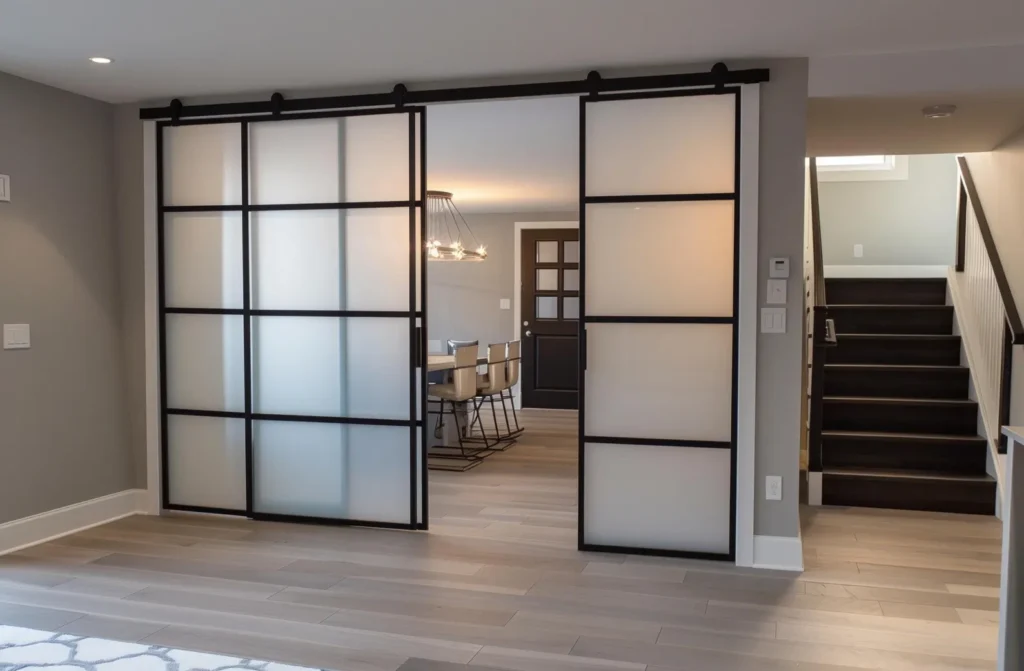
Sliding frosted glass wardrobe doors reflect light and make your bedroom feel larger and more elegant.

🚿 Ensuite Dividers

For bedrooms with attached bathrooms, frosted glass panels can separate zones while maintaining a cohesive, open feel.

🌿 Balcony or Terrace Doors

Using frosted glass on the lower portion of balcony doors preserves privacy while letting in light and views above.

Design tip: Pair frosted glass with metal or wood frames to add warmth and contrast that complements your bedroom design.


🛋️ Living Rooms: Zoning Without Walls

Living rooms, especially in open‑plan homes, benefit from strategic use of frosted glass.

🪩 Room Partitions

Frosted glass screens can define a living area from an adjacent dining room, hallway, or home office without blocking daylight or making the layout feel segmented.

🎨 Decorative Accent Panels

Frosted glass elements can be used as feature walls, inserts in shelving units, or framed art pieces that add textural depth.

🪜 Staircase Panels

In modern homes, frosted glass panels in stair balustrades enhance safety while adding a sleek, contemporary look.

The combination of light diffusion and style versatility makes frosted glass a popular design choice for living spaces that need elegance without closed‑off feeling.Wallpics


💼 Home Office: Privacy With Brightness

With remote work on the rise, creating a focused yet comfortable home office environment is essential.

🪟 Office Doors

Frosted glass office doors block visual distractions while allowing ambient light to enter from adjacent rooms.

🔲 Interior Office Partitions

A frosted glass internal partition creates a semi‑private workspace without making the room feel closed in.

Studies show that natural light in home offices improves comfort and productivity, and frosted glass allows daylight in while preserving privacy.Wallpics


🚪 Hallways & Entryways: Light Where You Least Expect It

Hallways and entry areas often suffer from lack of natural light.

🪟 Sidelights and Transoms

Frosted glass sidelights or transom windows around main doors bring light into dark corridors while maintaining privacy.

🛋️ Hallway Partitions

Use frosted glass panels to separate entryways from living spaces without obstructing the flow of light.

Because these spaces are transitional, frosted glass helps make them feel brighter and more welcoming.


🧺 Laundry & Utility Rooms: Practical Brightness

Utility spaces rarely get sunlight yet benefit significantly from it.

🧼 Frosted Glass Cabinetry

Frosted glass fronts on laundry cabinets or storage units help conceal clutter while keeping the room light.

🪟 Interior Windows

Frosted glass interior windows between utility rooms and adjacent spaces help distribute natural light without exposing laundry activity.

In busy areas like laundry rooms, frosted glass reduces the need for constant artificial light while keeping workflow visibility controlled.Wallpics


🏠 Custom Frosted Glass for Home Interiors

Every home is unique, and custom‑fit frosted glass solutions ensure the right size, opacity, and finish for your space. Whether for doors, partitions, cabinets, or decorative panels, custom options help deliver both function and beauty.

Explore tailored frosted glass designs suitable for residential interiors here:
👉 Frosted Glass for Homeshttps://www.glassmirrorpro.com/frosted-glass/

Custom frosted glass delivers precision, durability, and design flexibility — making it an ideal choice when standard sizes and finishes won’t quite fit your needs.


🧠 Final Thoughts: Using Frosted Glass Strategically

Frosted glass is more than a design trend — it’s a functional, timeless material that enhances comfort, privacy, and light in nearly every room of the home. From bathrooms and kitchens to living areas and home offices, frosted glass helps you strike a perfect balance between openness and discretion.

Use it to:

✔️ Improve privacy without blocking light
✔️ Define spaces without solid walls
✔️ Create modern, elegant interiors
✔️ Enhance visual comfort and flow

Frosted glass integrates beautifully into both contemporary and classic design schemes, transforming everyday living spaces into stylish and practical environments.

Tips

Does Tinted Glass Fade Over Time? What Users Need to Know

Dec 13, 2025

Practical, honest guidance on whether tinted glass loses its colour or effectiveness over the years — and what influences its longevity.

Tinted glass is prized for privacy, glare reduction, UV protection, and aesthetic appeal. But many people wonder: Does the tint fade or change over time? The answer depends on the type of tint, how it’s made, and where it’s used.

👉 If you’re considering high‑quality tinted glass for your space, explore options here:
https://www.glassmirrorpro.com/tinted-glass/


1. How Tinted Glass Is Made Matters

There are two main “tint” types you might encounter:

🔹 Factory‑tinted glass:
Manufactured with colour integrated into the glass during production (not applied on top). This kind of tint does not fade in normal use because the colour is part of the glass itself. Tempered, factory‑tinted glass resists weathering, scratches, and UV degradation over many years. Alibaba

🔹 Window films:
These are applied onto existing clear glass (common in vehicles and retrofit home windows). Film tint can fade, bubble, or discolour over time — especially if it’s low quality or exposed to intense sun. Tint-On-Wheels

Key takeaway: Tinted glass built into the glass generally won’t fade, but tinted films can over years depending on quality and exposure.


2. Factors That Can Make Tint Appear to Change

☀ Sunlight and UV Exposure

Films exposed to direct sun — especially in hot climates or south‑/west‑facing windows — can fade or lighten gradually because UV and heat break down dyes and adhesives. Coohom

Factory‑integrated tints designed for outdoor glazing do not suffer this problem — the colouring is fused into the glass during manufacturing and remains stable. Alibaba


🧪 Film Quality and Material

Not all tint films are equal.

  • Basic dyed films tend to fade faster.
  • Higher‑end ceramic and metalized films resist fading better and can last 10–20+ years with proper care. Window Tint Company

Most premium films also include UV inhibitors that slow colour degradation (though they still aren’t as permanent as factory‑tinted glass). Daystar Window Tinting


3. Signs Your Tint or Film Is Aging

If you notice any of these, it indicates the tint (usually film) may be deteriorating:

Lightening or uneven colours
Bubbling or peeling at the edges
Hazy, cloudy, or murky appearance
Reduced performance in heat or glare control

For films, this often means it’s time for replacement rather than repair. Window Tint Company


4. Why Factory‑Tinted Glass Doesn’t Fade

Because the tint is mixed into the glass mass (rather than applied as a surface layer), it doesn’t rely on adhesives or dyes that break down. This structural integration ensures:

  • Colour stability over decades
  • No peeling, bubbling, or delamination
  • UV protection that won’t diminish due to tint loss

Many architectural and automotive applications use factory tinted glass above films for precisely this reason. Alibaba


5. How to Maximise Lifespan (for Film Tints)

If you’re using window tint film rather than factory‑tinted glass:

Choose high‑quality films (ceramic/metalized over dyed)
Professional installation prevents early failure and uneven fade
Avoid harsh cleaners (non‑ammonia cleaners are best)
Minimise abrasive contact on the surface
Keep interiors shaded or use blinds in intense sun

Proper care can push film lifespan toward 10–15 years or more. Window Tint Company


6. FAQ — Quick Answers

Q: Does all tinted glass fade?
A: No. Factory‑tinted glass doesn’t fade because the tint is part of the glass. Film tint can fade over time, especially the lower‑quality kind. Alibaba

Q: How long do window tint films last?
A: Good quality films can last 10–20+ years; basic ones fade much sooner. Window Tint Company

Q: Can faded film tint be fixed?
A: Faded film generally must be replaced, not restored. Coohom


Conclusion — What Users Need to Know

Factory‑tinted glass: Very stable; colour won’t fade over time.
Tint films: Can fade due to UV, heat, or poor quality.
Better materials & care increase lifespan and preserve appearance.
Signs of fade usually indicate film degradation, not glass failure.

For long‑lasting aesthetic and functional performance — especially outdoors or on windows you want to keep looking great for years — factory‑tinted glass is the more fade‑resistant option.

👉 Explore reliable tinted glass solutions here:
https://www.glassmirrorpro.com/tinted-glass/

Tips

Combining Tinted Glass With Other Glass Types for a Modern Look

Dec 13, 2025

How to mix tinted glass with other glass varieties to create stylish, contemporary interiors and exteriors.

Using tinted glass alongside other glass types — such as clear, low‑iron, laminated, or textured glass — adds depth, contrast, and functionality to modern spaces. This is not just an aesthetic choice but also a practical one that enhances lighting, privacy, and architectural expression.

👉 If you’re considering tinted glass for your project, start with quality options here:
https://www.glassmirrorpro.com/tinted-glass/


1. Why Mix Glass Types in Modern Design

Tinted glass adds colour and light control, but pairing it with other glass types can:

  • Create visual layers and contrast
  • Balance light transmission and privacy
  • Enhance performance for specific needs (e.g., safety, clarity, acoustics)
    Designers often mix different glass panels to express a modern aesthetic language while meeting functional goals like energy efficiency or privacy. (kovapartitions)

2. Tinted + Clear or Low‑Iron Glass — Light & Clarity

Clear glass is fully transparent, while low‑iron glass eliminates the greenish tint often seen in standard float glass for maximum clarity. Combining these with tinted glass can:

  • Highlight coloured panes without overwhelming the space
  • Preserve brightness where needed
  • Create accent walls, glass partitions, or storefronts with depth

Low‑iron glass is especially prized in modern architecture for its crystal‑clear look and ability to show vibrant interior colours when paired with tinted elements. (novumstructures)

Design tip: Use clear or low‑iron glass where visibility and daylight are priorities, and tinted glass where you want mood, contrast, or light control.


3. Tinted + Laminated Glass — Safety With Style

Laminated glass consists of two or more panes bonded together with an interlayer that improves safety and sound control. Adding tint to laminated assemblies or layering tinted panes with clear laminated glass can:

  • Preserve impact resistance and safety
  • Offer UV protection while maintaining design continuity
  • Provide a layered look that feels premium and contemporary

Laminated structures are ideal for large installations (e.g., façades, railings, floors) where both design and safety are paramount. (eliterglasscn)


4. Tinted + Textured or Patterned Glass — Artistic Expression

Pairing tinted glass with textured, fluted, or patterned glass introduces visual interest. For example:

  • Textured glass diffuses light and adds tactile character
  • Fluted glass breaks up reflections, adding depth to walls or partitions
  • Patterned glass can complement tinted sections to create a dynamic, layered design

Such combinations are effective in feature walls, room dividers, or storefronts, where form and function intersect. (kovapartitions)


5. Tinted + Double‑Glazed Systems — Performance Meets Modern Style

Combining tinted glass with double‑glazed units (two panes separated by an air or gas cavity) enhances:

  • Thermal performance
  • Sound insulation
  • Light control

Tinted panes in insulated glass units help regulate solar heat gain while larger clear panes preserve views and daylight — a common strategy in energy‑efficient contemporary buildings. (kovapartitions)


6. Transitional Applications — Interior to Exterior Flow

Modern architecture often blurs interior and exterior boundaries. By combining:

  • Tinted glass walls on the exterior
  • Clear or low‑iron glass inside
    you create a smooth transition from private to public spaces, controlling glare and solar heat without sacrificing visual openness. This layering approach strengthens spatial continuity and enhances overall design coherence. (chronoglass)

7. Balance Function & Aesthetics

When mixing glass types, think in terms of zones:

  • High‑privacy / glare control: Tinted glass
  • Maximum clarity / focus areas: Clear or low‑iron glass
  • Safety / structural zones: Laminated or tempered glass
  • Textural interest: Patterned or fluted glass

This layered strategy supports both visual storytelling and practical performance — hallmarks of modern design.


8. Practical Tips for Successful Glass Combinations

Consider lighting first: Natural light behaves differently through tinted and clear glass; plan to keep spaces bright yet comfortable.
Match thicknesses where possible: Ensures consistent installation and framing.
Use quality interlayers in laminated combinations: Enhances clarity and safety.
Experiment with colour gradients: Using lighter and darker tinted panes adds dimension.
Think vertically: Alternating glass types in vertical panels can elongate spaces visually.


Design Inspiration & Modern Trends

Contemporary glass design increasingly embraces layered translucency, combining multiple glass finishes to create fluid, dynamic interiors and façades. These approaches reflect a modern architectural language that values light, depth, and material honesty. (zubinglass


Summary: Why Combining Glass Types Works

CombinationEffect
Tinted + Clear/Low‑IronContrast with clarity and colour control
Tinted + LaminatedSafety plus style
Tinted + Textured/PatternedTexture and visual layering
Tinted + Double‑GlazedThermal comfort with aesthetic balance

Final Thought: Mixing tinted glass with other glass varieties isn’t just decorative — it’s an opportunity to balance light, privacy, performance, and style in truly modern spaces.

Tips

Energy Savings with Tinted Glass: Does It Really Reduce Your Bills?

Dec 13, 2025

An honest, user‑oriented look at whether tinted glass truly cuts energy costs — and how it works throughout the year.

Tinted glass — whether factory‑tinted or enhanced with solar/low‑e coatings — can do more than improve comfort and privacy. By reducing heat transfer through windows, it can also lower your energy bills by easing the load on heating and cooling systems. But how much can it really save? Let’s break it down.


How Tinted Glass Reduces Energy Use

Tinted glass affects energy consumption in two main ways:

1. Reduces Solar Heat Gain

In warm weather, sunlight passing through regular windows adds heat to indoor spaces. Tinted glass absorbs or reflects a portion of that solar heat, so:

  • The indoor temperature stays cooler
  • Air conditioning doesn’t have to work as hard or as long
    This can reduce cooling demand and electricity use, especially on hot days. Commercial Window Tinting

2. Improves Insulation

Some tinted glass (especially with low‑emissivity or specialized coatings) acts like an additional thermal barrier:

  • It helps retain indoor warmth in cooler seasons
  • It reduces heat loss through windows
    This means your heating system doesn’t need to work as intensively. Commercial Window Tinting

This dual effect — less heat in summer and less heat loss in winter — makes tinted glass a year‑round energy saver. EDH Film Group


Real Energy Savings: What Studies and Examples Show

📉 Reduced Cooling & Heating Needs
Professional window tinting or quality tinted glass can reduce solar heat gain significantly, meaning your HVAC system has an easier job. Studies and industry guidance show that blocking heat at the window translates to less energy used by air conditioners and heaters. Commercial Window Tinting

📉 Potential Bill Reductions
Estimated impacts vary widely because regional climate, home orientation, and window size all matter. Some industry examples point to:

  • Up to ~30% reductions in cooling costs in sunny climates for homes with effective solar control film or tinted glass. Tintgard
  • Noticeable drops in overall energy bills because tinted glass decreases the hours and intensity your HVAC equipment runs. The Tint Team

Real‑world homeowner data and simulations suggest savings can be significant, though results depend on specific conditions (climate, window orientation, and insulation). Commercial Window Tinting


What Influences How Much You Save

Climate

Homes in hot climates with strong summer sun see greater savings because tinted glass prevents large amounts of heat from entering. Commercial Window Tinting

Window Size & Orientation

South‑ and west‑facing windows receive the most solar heat; tinting these can yield bigger reductions in cooling costs. EDH Film Group

Glass Quality

High‑performance tinted glass or films with low‑emissivity coatings often outperform basic tint by reducing both heat gain and heat loss. EDH Film Group

Existing Insulation

Homes with poor insulation or single‑pane windows benefit more from tinted glass than homes already optimized for energy efficiency. Commercial Window Tinting


Typical Savings You Might Expect

While exact numbers vary, here’s a reasonable range reported by installer guidance and energy efficiency resources:

SeasonTypical Impact
Summer coolingLower air‑conditioning use; could cut cooling demand noticeably with effective tinting. Tintgard
Winter heatingReduced heat loss; less demand on heaters. EDH Film Group
Overall energy billsMany homeowners see reduced energy costs over time, especially where cooling is a major usage. Commercial Window Tinting

Note: The exact bill reduction depends on your climate, how much sun your windows get, and the rest of your home’s insulation.


Does Tinted Glass Pay Back Its Cost?

Many homeowners find that the energy savings over time help recover the initial investment in tinting or tinted glass — often within a few years — especially in climates with intense sun exposure. Commercial Window Tinting

Compared to replacing entire windows, tinting is often more cost‑effective and quicker to install and still delivers real comfort and energy benefits. The Tint Team


Other Benefits That Support Energy Savings

Beyond direct energy costs, tinted glass can help with:

Glare reduction, making interiors more comfortable without extra cooling. Commercial Window Tinting
UV protection, preserving furnishings and reducing heat buildup. glassforum.org – Online glass community
More stable indoor temperatures with fewer hot/cold spots. Venture World

These effects all help your home use energy more efficiently overall, even if HVAC use doesn’t change drastically. Venture World


Final Verdict: Does It Really Reduce Your Bills?

Yes — tinted glass can reduce your energy bills in many climates, especially where:

  • Cooling needs are high
  • Sunlight is intense
  • Windows make up a large part of the wall area
    This works through less heat gain, better insulation, and more stable indoor temperatures. Commercial Window Tinting

Everyone’s savings will differ, but tinted glass or high‑quality tinting can be a smart, cost‑effective upgrade that pays off over time.


Explore Energy‑Efficient Tinted Glass Options

Want to reduce heat gain and boost comfort (and potentially energy savings)?
👉 Check premium tinted glass here:
https://www.glassmirrorpro.com/tinted-glass/

Tips

Outdoor Tinted Glass: Weather Resistance and Durability Considerations

Dec 13, 2025

What you need to know before choosing tinted glass for exterior windows, façades, patios, or outdoor architectural features — from weather resistance to long‑term performance.

Outdoor applications expose glass to sunlight, rain, wind loads, temperature swings, and UV radiation far more intensely than indoor use. Tinted glass can look beautiful and improve comfort, but when used outdoors, it must be durable, thermally stable, and weather‑resistant to perform well over time.

Below is a thorough breakdown of the key factors to consider when selecting tinted glass for outdoor environments.

👉 Explore high‑performance outdoor tinted glass options here:
https://www.glassmirrorpro.com/tinted-glass/


1. Weather Exposure: What Outdoor Glass Must Withstand

Outdoor tinted glass often faces varying climatic conditions including:

  • Intense sunlight and heat
  • UV radiation
  • Rain and humidity
  • Temperature fluctuations (hot days/cool nights)

High‑quality glass used outdoors must resist the effects of thermal stress, ultraviolet degradation, and moisture without cracking, fading, or losing transparency.

For outdoor glazing — whether windows, curtain walls, or balcony enclosures — materials are designed to remain intact and visually consistent over long periods. Quality external glass can withstand these fluctuating conditions while maintaining structural integrity. Shanghai Wuyong Glass


2. What Makes Tinted Glass Suitable for Outdoor Use

a. Integrated Tinting for Durability

Tinted glass where the colour is integrated into the glass during manufacturing (not applied as a surface film) is more durable because the tint won’t peel, fade, or bubble in outdoor conditions. This built‑in tint is resistant to UV and weathering, making it better suited for long‑term outdoor exposure than aftermarket films. Alibaba

b. Tempered or Heat‑Strengthened Construction

For outdoor use, tinting combined with tempering or heat strengthening enhances durability:

  • Tempered glass is 4–5× stronger than standard glass and resists impact, wind loads, and thermal stress better.
  • Heat‑strengthened glass offers improved resistance to thermal breakage, a key consideration where panes are directly exposed to sun at steep angles.
    These treatments ensure outdoor tinted glazing resists cracking or damage from rapid temperature changes. Shanghai Wuyong Glass

3. Handling Thermal Stress and Expansion

Outdoor tinted glass can absorb solar energy and heat up, creating thermal stress, which may cause cracking if the glass isn’t properly engineered or installed.

To mitigate this:

✔ Use thermally toughened or heat‑strengthened glass that tolerates solar absorption and temperature swings.
✔ Allow for thermal movement by designing framing systems that don’t restrict expansion or contraction of the glass.
✔ Ensure adequate ventilation behind large panes so heat doesn’t build up unevenly.

Technical glazing guidelines specifically recommend tempering when tinted or heat‑absorbing glass is exposed directly to strong sunlight, because tempering improves resistance to thermal breakage. AGC Yourglass


4. UV Resistance and Fading Prevention

Tinted glass generally provides UV protection outdoors, reducing fading of interior furniture and finishes. Very good outdoor‑rated glass can block a high percentage of harmful UV radiation, helping extend the life ofsensitive materials inside buildings or outdoor spaces. TPTOP Glass

This is particularly valuable in sunny climates or south‑facing façades where UV exposure is intense and continuous.


5. Moisture and Corrosion Resistance

Rain, dew, and humidity are constant outdoor factors. Quality outdoor glass and framing systems are engineered to:

  • Prevent moisture ingress around edges
  • Resist seal deterioration in insulated glass units (IGUs)
  • Maintain clarity without condensation forming between panes

Outdoor glazing systems often incorporate sealed edge spacers and desiccants that help resist moisture infiltration, preserving both thermal performance and visual clarity over time. Shanghai Wuyong Glass


6. Wind Load and Structural Durability

Outdoor tinted glass, especially on façades and large windows, must withstand wind loads and structural pressures. Tempered or laminated glass panels used in multi‑storey windows and curtain walls are often tested to withstand significant wind pressure and impact without failure. These strength characteristics are crucial where heavy winds are common. Shanghai Wuyong Glass


7. Maintenance and Long‑Term Performance

High‑quality outdoor tinted glass is:

Resistant to surface weathering (no fading or discolouration)
Easy to clean with mild soap and water — no special coatings or films that degrade quickly
Stable over time even in high‑sun or coastal environments

Unlike thin tint films, the tint in outdoor‑rated glass won’t peel or blister, and the surface resists most common environmental stressors. Alibaba


8. Aesthetic and Performance Balance

Beyond durability, outdoor tinted glass can also:

  • Improve privacy while letting light in
  • Reduce glare and heat gain through solar control
  • Add architectural appeal with modern colours (bronze, grey, green, blue) that complement design schemes
    These benefits make tinted glass a functional and attractive choice for outdoor spaces. sisecam.com

9. Choosing the Right Type for Outdoor Installations

Factors to match to your climate and design:

Tint level and VLT — darker tints for high sun, lighter for balanced daylight. smartbuy.alibaba.com
Tempered or heat‑strengthened glass — recommended for exposed positions.
Framing and seals designed for moisture resistance and thermal movement.

Pro tip: In very sunny or hot regions, consider combining tinted glass with insulating glazing units (IGUs)

Tips

Tinted Glass vs UV Film: What’s the Difference and Which Is Better?

Dec 13, 2025

A complete, user‑friendly comparison to help you understand the key differences between tinted glass and UV (window) film — and how to choose the right solution for your home, office, or vehicle.

Both tinted glass and UV film aim to reduce heat, glare, and harmful UV rays, but they work in very different ways and have different strengths, costs, and use cases. This guide breaks down the differences clearly so you can decide what’s best for your situation.

👉 If your focus is on permanently integrated solutions for windows or décor, explore tinted glass options here:
https://www.glassmirrorpro.com/tinted-glass/


What Is Tinted Glass?

Tinted glass is made by integrating colourants (such as metal oxides) or coatings into the glass during manufacturing. The result is glass that has a built‑in tint that changes how light and heat pass through it.

  • It’s permanent, uniform, and part of the glass itself.
  • Commonly used in architectural windows, curtain walls, and automotive glass.

The tint reduces brightness, glare, and some heat by absorbing and scattering light as it passes through the pane. However, the range of tint colours and darkness levels available from the manufacturer is usually limited. Cosmo Consumer


What Is UV Film (Window Film)?

UV film — often called window film, solar film, or tint film — is a thin laminate material applied to the surface of existing glass. It’s usually made from polyester (PET) and can be installed on interior or exterior glass surfaces. Wikipedia

Window film can serve a variety of purposes:

  • Solar control (tinted film): Reduces heat, glare, and UV rays
  • Privacy films: Frosted or reflective finishes
  • Safety/security films: Strengthen glass
  • Decorative films: Patterns, gradients, or custom designs
    It’s highly versatile and customizable. Sea Cool

Key Differences Between Tinted Glass & UV Film

1. Installation and Flexibility

  • Tinted Glass: Installed at the factory or by a glazier when new windows are made; it cannot be changed later without replacing the glass.
  • UV Film: Applied to existing glass; can be removed, replaced, or upgraded easily.
    Winner: UV film for flexibility. Tint Integrity

2. UV Protection

Both options can reduce UV transmission, but there are differences:

  • Tinted Glass: Offers built‑in UV protection; performance varies with tint level and manufacturer.
  • UV Film: Many quality films block up to ~99% of UV radiation, providing superior protection from fading and skin damage.
    Winner: UV film for stronger and more consistent UV blocking. Tint Integrity+1

3. Heat & Glare Control

  • Tinted Glass: Reduces glare and heat to a certain extent, based on its tint and colour.
  • UV Film: Many solar control films are optimized to reflect or absorb infrared and visible light, often outperforming factory‑tinted glass at rejecting heat and reducing energy costs.
    Winner: UV film in most energy‑performance scenarios. CoolVu Glass & Surface Solutions

4. Customization & Aesthetics

  • Tinted Glass: Limited to a few factory colours and tint levels; looks seamless and consistent.
  • UV Film: Comes in many shades, finishes (matte, reflective, frosted), and designs, allowing for more tailored aesthetics.
    Winner: UV film for customization. Sea Cool

5. Cost & Installation

  • Tinted Glass: More expensive upfront because it involves replacing or manufacturing new glass panes.
  • UV Film: Generally more cost‑effective, since it can be applied to existing windows without structural changes.
    Winner: UV film for lower initial cost. Tint Integrity

6. Durability & Lifespan

  • Tinted Glass: Highly durable because the tint is part of the glass; won’t peel, bubble, or delaminate.
  • UV Film: Can degrade over time (peeling or fading) and may need replacement after several years, depending on quality and exposure.
    Winner: Tinted glass for long‑term durability. Angi

7. Maintenance

  • Tinted Glass: Easy to clean like regular glass; no film edges to worry about.
  • UV Film: Requires gentle cleaning with non‑abrasive cleaners to preserve the film; poor maintenance can shorten its lifespan.
    Winner: Tinted glass for simpler maintenance. Right On Detail

Which Is Better for You?

Choose Tinted Glass If:

✔ You want a permanent solution integrated into the building or vehicle.
✔ You prioritize durability and minimal maintenance.
✔ You prefer a uniform, factory‑finished appearance.
✔ You’re already replacing or installing windows.

Good for: New construction, long‑term architectural design, premium aesthetics. Cosmo Consumer


Choose UV Film If:

✔ You want strong UV protection and heat reduction without window replacement.
✔ You need custom tint levels, decorative patterns, or privacy finishes.
✔ You want a cost‑effective retrofit solution for existing glass.
✔ You prefer the option to update or remove the tint later.

Good for: Existing homes, offices, vehicles, and rental properties. Tint Integrity


Practical Considerations Before Deciding

  • Climate: In hot climates where energy savings matter, high‑performance solar film often outperforms factory tints. CoolVu Glass & Surface Solutions
  • Longevity vs Flexibility: Tinted glass lasts longer without maintenance, but film gives you future flexibility. Angi
  • Budget: Upgrading existing glass with film is generally quicker and more affordable than replacing windows. Tint Integrity

Explore Tinted Glass Options

Whether you choose factory‑tinted glass or decide on window films later, quality glass matters. Explore elegant and durable tinted glass solutions here:
👉 Tinted glass choices for windows and décor
https://www.glassmirrorpro.com/tinted-glass/