Tips

Tips

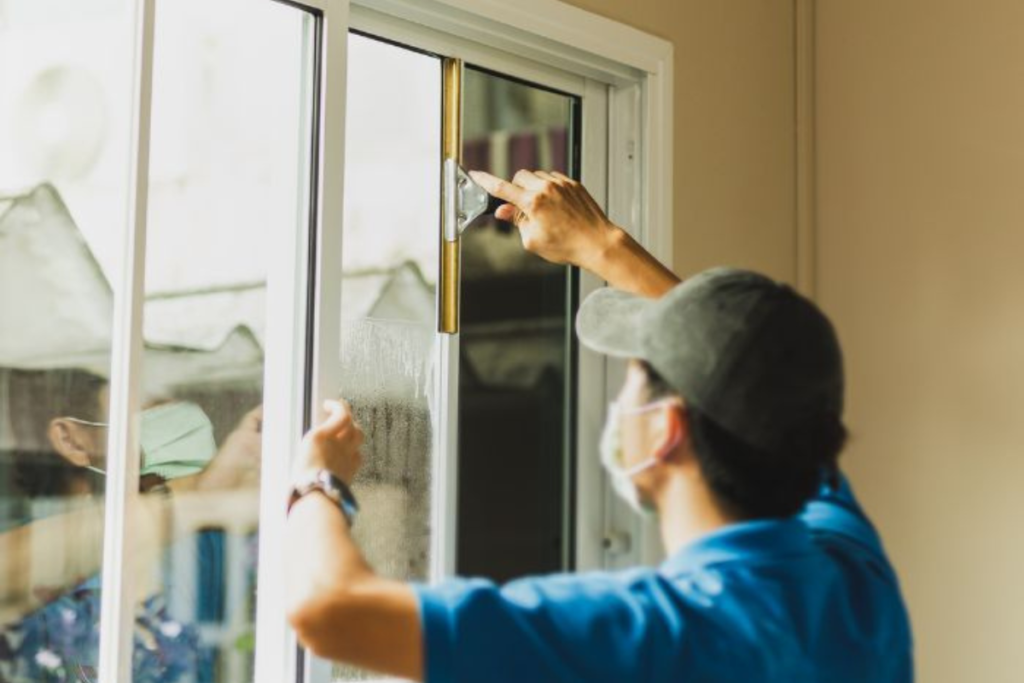
Maintenance Tips for Tinted Glass: Cleaning Without Damaging the Tint

Dec 13, 2025

Essential, user-friendly guide on how to care for tinted glass to keep it looking new while preserving the tint.

Tinted glass enhances privacy, reduces glare, and protects interiors from UV rays. However, improper cleaning or maintenance can damage the tint, leaving scratches, peeling, or discoloration. Following the right methods ensures your glass stays clear, functional, and visually appealing for years.

👉 Explore high-quality tinted glass options here:
https://www.glassmirrorpro.com/tinted-glass/


1. Use the Right Cleaning Materials

Avoid:

  • Abrasive sponges or scrubbers
  • Harsh chemicals (bleach, ammonia-based cleaners, or strong solvents)
  • Paper towels that can leave scratches

Recommended:

  • Soft microfiber cloths
  • Non-abrasive squeegees
  • Mild soap or pH-neutral glass cleaners

These materials gently remove dust, fingerprints, and dirt without scratching the tint or weakening adhesives. (tptopglass.com)


2. Avoid Ammonia-Based Cleaners

Ammonia is common in many glass cleaners but can break down window film adhesives over time, leading to bubbling or peeling of the tint. Always choose:

  • Mild, non-ammonia-based solutions
  • DIY mixture: 1 part vinegar + 3 parts water (pH neutral)

Spray lightly on the glass surface and wipe gently with a soft cloth. (windowtint101.com)


3. Clean Gently, Don’t Scrub

Tinted glass surfaces are delicate, especially factory-applied or aftermarket film tints. Tips for safe cleaning:

  • Apply cleaner and let it sit for a few seconds to loosen dirt
  • Wipe in gentle circular motions
  • Dry with a soft, clean microfiber cloth to prevent streaks

Avoid heavy scrubbing, which can scratch or lift the tint. (coolvu.com)


4. Pay Attention to Edges and Corners

Film tints are often most vulnerable at edges and corners, where adhesive bonds may be weaker.

  • Clean edges carefully to avoid lifting the tint
  • Inspect corners regularly for bubbles or peeling
  • If small imperfections appear, consider professional repair to prevent spreading damage

Proper edge care prolongs the lifespan of the tint while keeping the glass functional and attractive.


5. Avoid High Heat Immediately After Cleaning

Extreme temperature changes right after cleaning can affect the tint:

  • Avoid washing tinted glass under direct sunlight at peak hours
  • Let glass cool naturally if exposed to heat
  • Use gentle wiping techniques rather than aggressive drying

Sudden temperature fluctuations combined with cleaning agents can cause tint shrinkage or bubbling. (tptopglass.com)


6. Regular Maintenance Schedule

  • Weekly: Light dusting or wipe-down with microfiber cloth
  • Monthly: Deep clean with mild soap or specialized tint-safe solution
  • Annually: Professional inspection for film integrity or surface scratches

Regular maintenance keeps the glass looking pristine and ensures optimal glare, privacy, and UV protection performance. (tptopglass.com)


7. Avoid Sharp Objects

Never use knives, scrapers, or sharp objects to remove stains or debris on tinted glass. Scratches from sharp items can:

  • Permanently damage the tint
  • Reduce light control or privacy
  • Make glass look worn and unattractive

Instead, soften stubborn debris with warm water and a microfiber cloth.


8. Professional Cleaning for Difficult Cases

If your tinted glass has accumulated hard water stains, adhesive residues, or minor scratches, consider hiring professionals. They have:

  • Safe solvents and tint-friendly tools
  • Expertise in restoring clarity without harming the film or glass
  • Access to certified repair methods that preserve warranty coverage

Professional care can extend the lifespan of your tinted glass significantly. (coolvu.com)


9. Preventive Tips

  • Install window shades or blinds in high-sun areas to reduce heat and debris contact
  • Avoid leaning objects or placing items directly against the tinted glass
  • Address minor peeling or bubbles early to prevent larger damage

Conclusion

Tinted glass is a valuable addition to any home or office, but proper maintenance is essential to protect both the glass and the tint. Key takeaways:

  • Use soft, non-abrasive materials
  • Avoid ammonia-based cleaners
  • Wipe gently and monitor edges
  • Maintain a regular cleaning schedule
  • Seek professional help for tough stains or damage

By following these simple yet effective steps, you’ll enjoy clear, glare-free, and long-lasting tinted glass that enhances comfort, privacy, and style indoors.


Check Premium Tinted Glass Options

Discover high-quality, durable tinted glass for windows and interiors:
https://www.glassmirrorpro.com/tinted-glass/
Tips

How Tinted Glass Can Reduce Glare and Improve Comfort Indoors

Dec 13, 2025

Practical, user‑friendly guide to understanding how tinted glass makes interior spaces more comfortable by reducing glare, heat, and visual strain.

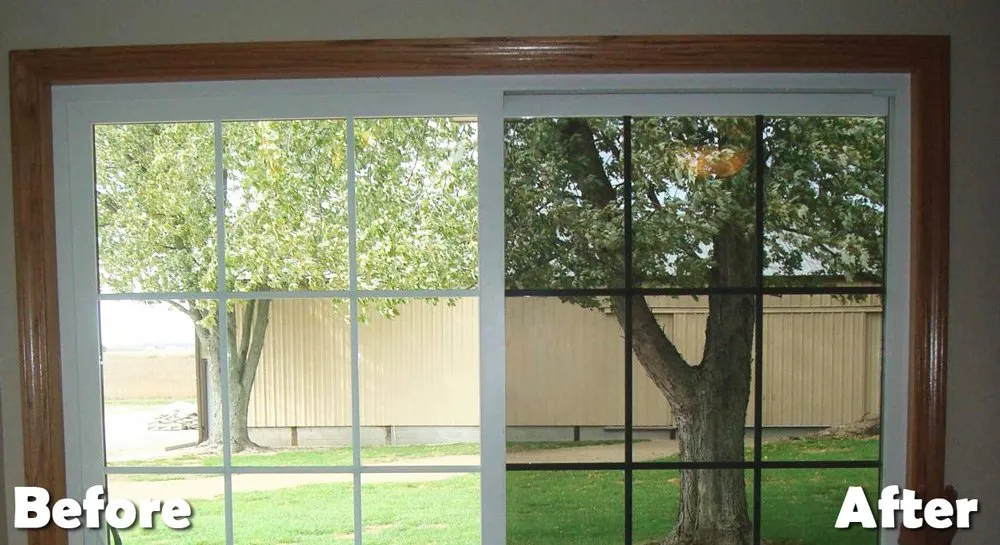
Tinted glass is more than just a stylish upgrade — when used in windows or glazed surfaces, it actively improves indoor comfort by managing sunlight, glare, and heat. This is especially valuable in homes and offices with large windows or spaces that receive prolonged direct sunlight.

Below, we break down the science and benefits so you know exactly how tinted glass enhances comfort indoors.

👉 If you’re considering tinted glass for your windows, explore quality options here:
https://www.glassmirrorpro.com/tinted-glass/
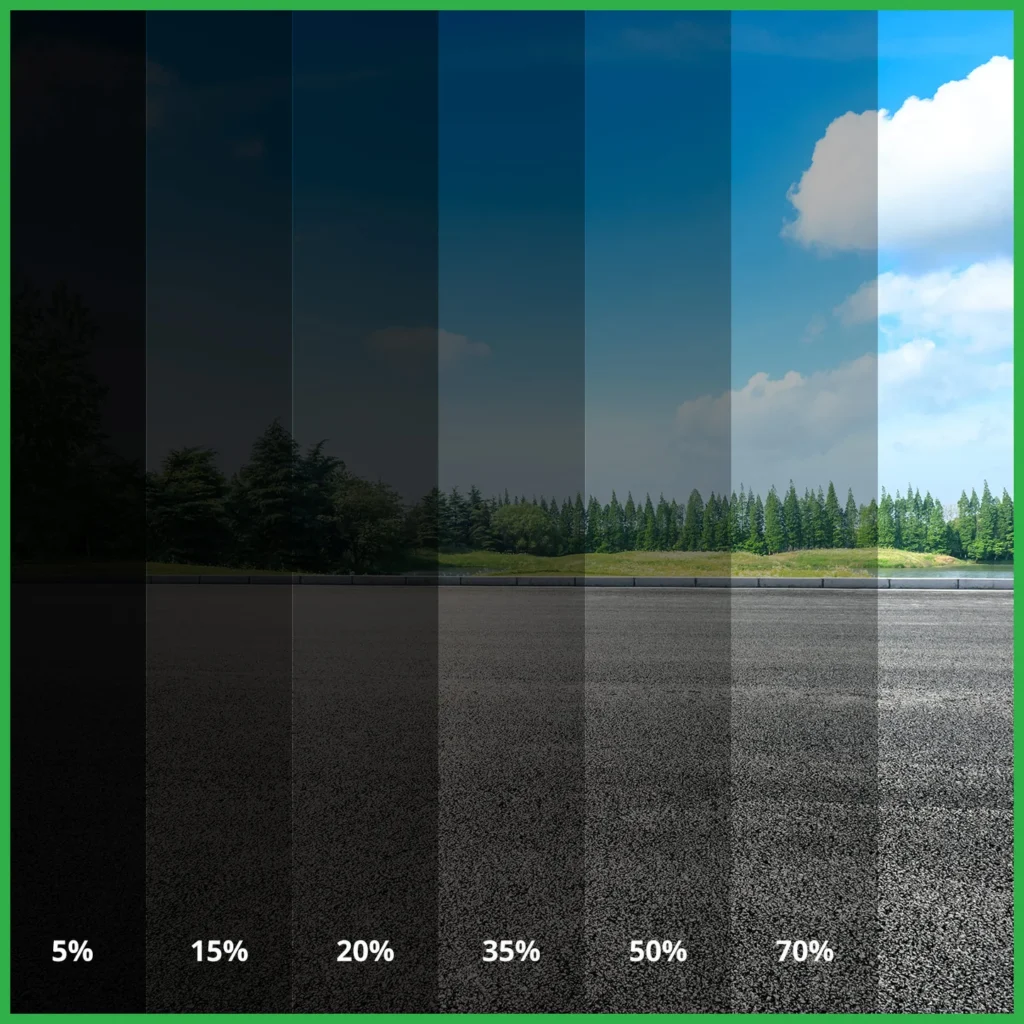

1. Reduces Harsh Glare From Sunlight

When direct sunlight enters a room through clear glass, it can create intense glare — that harsh brightness that makes it uncomfortable to sit, work, read, or watch screens.

Tinted glass filters and absorbs a portion of visible light, which:

  • Minimizes brightness spikes
  • Softens contrasts between light and shadow
  • Helps your eyes adjust more comfortably

This means you can enjoy natural light without squinting or eye strain. This effect is especially noticeable on sunny days or in rooms with large unshaded windows. TPTOP Glass+1


2. Improves Visual Comfort and Productivity

Excessive glare isn’t just annoying — it can make everyday tasks harder:

  • Glare on computer screens and TVs reduces visibility.
  • Bright reflections can cause eye fatigue or discomfort.
  • Work or relaxation spaces feel less balanced without control over light intensity.

Tinted glass creates a more even lighting environment, reducing glare while still allowing diffused daylight to enter. This balance leads to improved visual comfort, making home offices, living rooms, or study areas more enjoyable throughout the day. CoolVu


3. Helps Maintain Comfortable Indoor Temperatures

Sunlight carries not just light but heat. When direct solar radiation enters through windows, indoor temperatures can spike, creating hot spots near windows and forcing air conditioning systems to work harder.

Tinted glass helps by absorbing and blocking some of that solar energy, reducing heat gain inside the room. The result is:

  • Cooler indoor temperatures with less reliance on air conditioning
  • Fewer hot and cold zones near windows
  • A more stable and pleasant indoor climate

By cutting down the worst heat effects of sunshine, tinted glass increases overall comfort on sunny days. TPTOP Glass


4. Blocks or Reduces UV Radiation

Direct ultraviolet (UV) rays from the sun are not only a source of glare — they also affect comfort and material longevity.

Tinted glass reduces the amount of UV radiation that enters a space, which can:

  • Protect skin and eyes from UV exposure (while indoors)
  • Preserve the colours of furniture, flooring, and fabrics
  • Reduce fading and material degradation over time

This contributes to a more pleasant living environment and longer lasting interiors. TPTOP Glass


5. Enhances Privacy Without Blocking Natural Light

Some tinted glass levels allow natural light to enter while still offering a degree of privacy. This reduces the need for heavy blinds or curtains, which can block light entirely. Instead, tinted glass lets you keep spaces bright but screened from direct outside views — a comfort improvement in living areas or street‑facing rooms. TPTOP Glass


6. Creates Softer, More Balanced Indoor Light

Tinted glass doesn’t simply block light — it modifies how light enters:

  • It allows diffused daylight that feels softer and more even
  • It reduces contrast that causes discomfort when moving between lit and shaded areas
  • It contributes to a cozier, less harsh ambiance indoors

This is especially helpful where you want gentle, natural illumination (e.g., living rooms, reading nooks, or playrooms) without the sharp shadows and glare of bright sunshine. TPTOP Glass


7. Reduces Eye Strain and Headaches

Glare and bright light fluctuations can contribute to eye strain and headaches, especially over prolonged periods. By filtering intense sunlight and moderating visible light levels, tinted glass can reduce visual fatigue in spaces where you spend a lot of time — such as home offices or media rooms. CoolVu


Is Tinted Glass Right for Your Home?

Here’s how tinted glass can help in typical indoor environments:

Living Rooms & Lounges: Reduce glare on TVs and screens while keeping the space bright.
Home Offices & Study Areas: Improve visibility and reduce eye strain during work hours.
Bedrooms: Moderate morning or afternoon glare for more comfortable rest.
Large Sunlit Spaces: Combat heat and harsh light without blocking daylight entirely.


Final Takeaway

Tinted glass enhances indoor comfort by:

✅ Reducing harsh glare and eye strain
✅ Managing indoor heat gain for cooler interiors
✅ Blocking harmful UV rays
✅ Creating softer, more balanced daylight
✅ Enhancing privacy without heavy coverings

These benefits work together to make interior spaces more comfortable, productive, and visually soothing — especially in areas with strong sunlight or large glazed surfaces.


Explore Tinted Glass for Your Windows

Ready to improve comfort and reduce glare in your home? Discover high‑quality tinted glass options designed for modern living:
👉 Tinted glass solutions for windows
https://www.glassmirrorpro.com/tinted-glass/
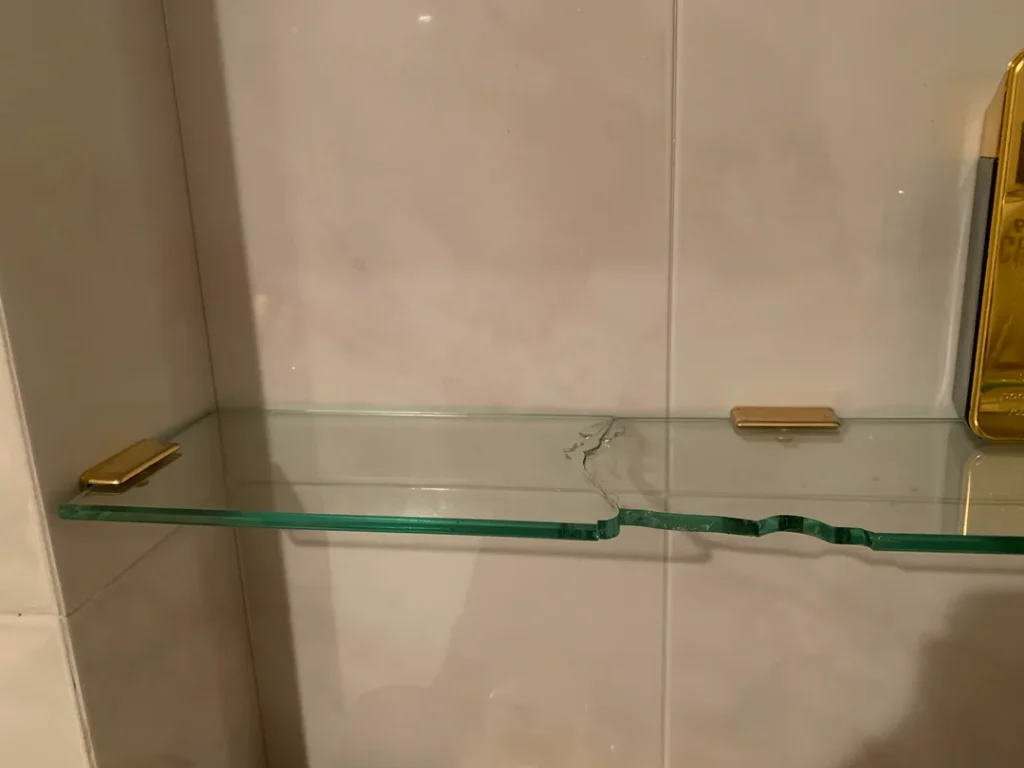
Tips

Benefits of Tinted Glass: Energy Efficiency, UV Protection, and Privacy

Dec 13, 2025

An authentic, user‑oriented guide explaining why tinted glass is a smart choice for homes — from lowering energy bills to protecting interiors and boosting comfort.

Tinted glass isn’t only stylish — it brings real functional advantages to residential spaces. Whether used in windows, doors, or large glazed areas, tinted glass helps balance comfort, energy use, privacy, and protection from sun damage. Unlike clear glass that lets sunlight and heat enter freely, tinted glass has specially formulated colouring or coatings that interact with sunlight in ways that benefit your home.

👉 Want to upgrade with tinted glass solutions? Check out custom options here:
https://www.glassmirrorpro.com/tinted-glass/
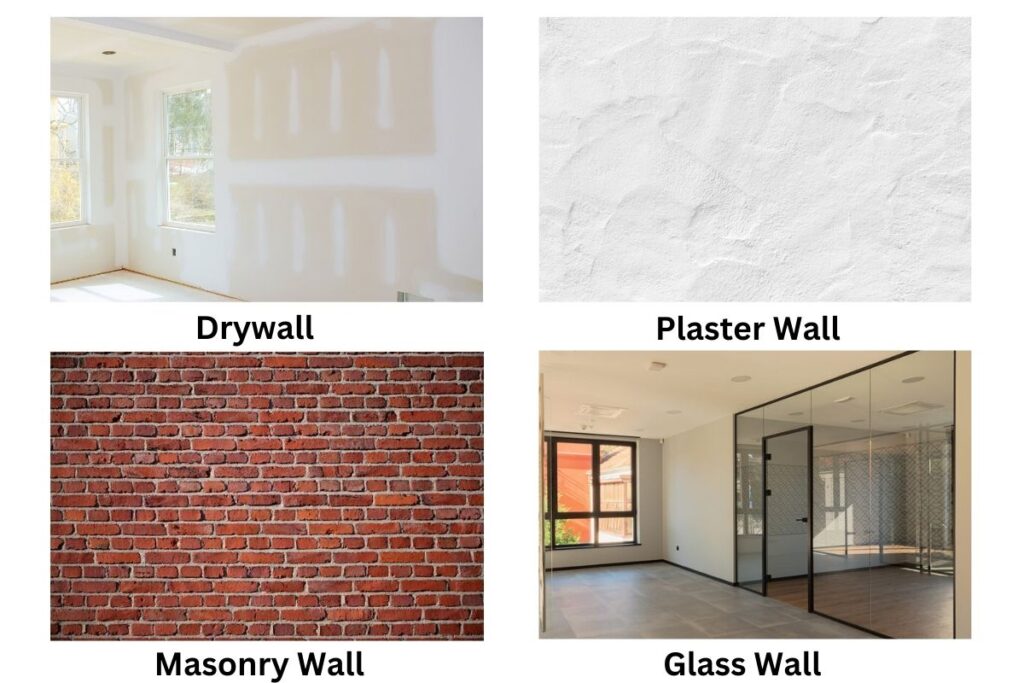

1. Energy Efficiency: Lower Cooling and Heating Demands

One of the most significant benefits of tinted glass is its contribution to energy efficiency.

Tinted glass absorbs and reflects a portion of the sun’s energy, reducing the amount of solar heat gain inside a home. This means:

  • Less reliance on air conditioning during hot weather, keeping indoor temperatures cooler.
  • Lower energy bills, as mechanical cooling doesn’t have to run as often or as hard.
  • In some cases, tinted glass can also help retain heat in cooler seasons, reducing heating demand. Flying Window Tinters+1

By reducing solar heat gain, homeowners can see measurable savings over time — especially in warm or sunny climates where cooling costs dominate energy bills. Flying Window Tinters


2. UV Protection: Guarding Interiors and Health

Ultraviolet (UV) radiation from the sun doesn’t just heat a room — it can also damage furnishings, flooring, artwork, and fabrics over time. Prolonged UV exposure accelerates fading and material degradation.

Tinted glass helps by:

  • Blocking a portion of harmful UV rays before they pass through your windows.
  • Protecting furniture, carpets, and décor from premature fading.
  • Offering a health advantage by reducing UV exposure for occupants, which is particularly valuable in rooms used frequently or for long stretches. Flying Window Tinters

While the exact UV blocking level depends on tint type and quality, many tinted systems significantly outperform untinted glass in reducing UV transmittance. Flying Window Tinters


3. Privacy and Comfort Without Heavy Window Treatments

Privacy is another compelling benefit of tinted glass. By partially limiting visibility into your home from outside, tinted windows:

  • Increase privacy without sacrificing natural light.
  • Reduce the need for heavy curtains or blinds during the day.
  • Make living spaces more comfortable by softening harsh direct sunlight and reducing glare on screens or working surfaces.

For homes facing streets, neighbouring buildings, or public spaces, tinted glass provides unobtrusive privacy while still allowing you to enjoy outdoor views. Flying Window Tinters


4. Glare Reduction: Better Visual Comfort

Strong sunlight streaming through windows can produce glare, especially on glossy screens, television displays, and reflective surfaces. Tinted glass helps mitigate this by:

  • Filtering out intense direct sunlight
  • Creating a more balanced and comfortable indoor lighting environment
  • Reducing eye strain during daytime activities

This is especially useful in living rooms, media rooms, home offices, or areas with large windows. Tahoe Solar Film


5. Aesthetic Appeal and Modern Look

Beyond performance, tinted glass also enhances a home’s appearance:

  • Subtle tint colours (gray, bronze, blue) add architectural depth and a modern aesthetic.
  • Consistent tinting across windows gives a uniform look to façades and exterior glazing.
  • Tinted glass pairs beautifully with contemporary design schemes and minimalist décor.

Different tints allow homeowners to select a look that matches their style while reaping practical benefits. ProVia


6. Contributing to a More Balanced Indoor Climate

By managing sunlight and heat transmission, tinted glass helps:

  • Even out temperature swings between rooms.
  • Reduce hot zones near windows.
  • Minimise the “cold wall” effect in winter when combined with proper insulation.

Though it may not replace advanced insulating glass technologies (like Low‑E or double glazing), tinted glass is a powerful adjunct solution especially in warm climates where heat gain dominates energy usage. Panda Windows & Doors


7. Reduced Fading of Interiors and Artifacts

Because tinted glass partially blocks UV rays and some infrared radiation, it slows the degradation process that causes colours in textiles, wood, paint, and artwork to fade prematurely. This extends the life of interior elements, helping your décor stay vibrant longer.

This benefit increases longevity of floors, upholstery, and precious keepsakes — a big plus if your home receives strong sunlight for many hours daily. Flying Window Tinters


8. Enhancing Security and Structural Integrity (in Some Cases)

Some advanced tinted glass products — especially those with reinforced films or embedded particles — can offer additional safety benefits:

  • Added resistance to shattering
  • Improved security against accidental breakage

Heavier or laminated tinted glass can contribute to an overall safer home environment. Note: This depends on product specification and should be confirmed with your supplier.


Summary: Why Tinted Glass Is Worth It for Your Home

BenefitHow It Helps Your Home
Energy EfficiencyReduces cooling/heating bills and makes interiors more comfortable. Flying Window Tinters
UV ProtectionProtects interiors and occupants from harmful rays. Flying Window Tinters
PrivacyLimits visibility from outside without heavy curtains. Flying Window Tinters
Glare ReductionImproves visual comfort for screens and living spaces. Tahoe Solar Film
AestheticsAdds modern visual appeal to your home’s architecture. ProVia
Interior LongevitySlows fading of fabrics and décor. Flying Window Tinters

Explore Tinted Glass Options for Your Home

Tinted glass is a smart investment for modern homes that want energy savings, enhanced comfort, and privacy without sacrificing natural light. Whether you’re upgrading windows or building new, tinted glass can be a versatile and long‑lasting upgrade.

👉 Check premium tinted glass solutions here:
https://www.glassmirrorpro.com/tinted-glass/
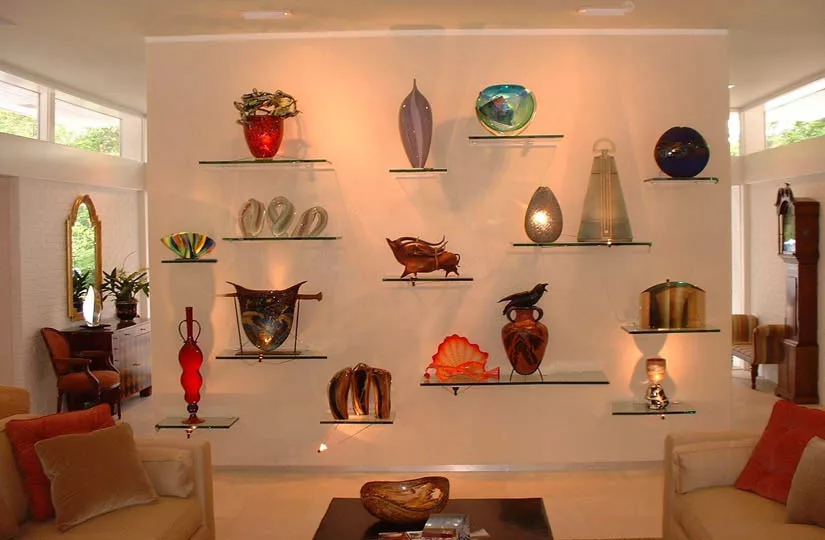
Tips

Different Levels of Transparency in Tinted Glass Explained

Dec 13, 2025

Understand how tint transparency affects light, privacy, aesthetics, and where different levels are best used.

Tinted glass changes how much light passes through a surface, and this transparency level is measured by Visible Light Transmission (VLT). This metric is essential for choosing the right tinted glass for windows, doors, partitions, or decorative applications — balancing natural light, privacy, glare control, and design appeal.

👉 Explore premium tinted glass options here:
https://www.glassmirrorpro.com/tinted-glass/
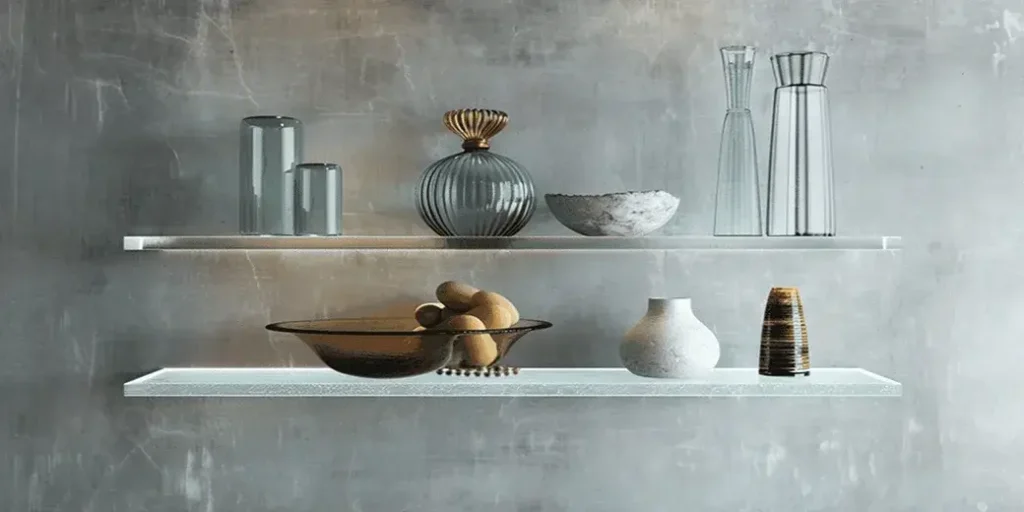

What Transparency Means in Tinted Glass

Visible Light Transmission (VLT) is a percentage that shows how much visible light can pass through glass. Higher VLT means more light passes through and the glass appears lighter and more transparent. Lower VLT means less light passes through, resulting in a darker, more privacy‑oriented tint. Cardinal Glass Industries

For example:

  • 90% VLT → Very light tint (almost as clear as untinted glass)
  • 50% VLT → Moderate tint (balances visibility and privacy)
  • 10% VLT → Dark tint (less visibility, more privacy) Garware Hi-Tech Films

Understanding VLT helps you choose the right tint level for your specific needs.


1. High Transparency (70–100% VLT)

What it is:
Glass that allows most light through, with only a slight tint. This type is closest to clear glass.

Characteristics:
✔ Maximises natural light
✔ Maintains clear views
✔ Minimal tint appearance

Best for:

  • Living rooms and interior spaces where bright daylight is desired
  • Retail displays needing high visibility
  • Areas where light ambience is a priority

High transparency tints keep spaces feeling open and bright while offering only slight glare control. Cardinal Glass Industries


2. Medium Transparency (40–70% VLT)

What it is:
A balanced tint level that transmits a good amount of light while offering noticeable shading and reduced glare.

Characteristics:
✔ Good daylight without excessive brightness
✔ Moderate privacy
✔ Reduces eye strain from sunlight

Best for:

  • Office spaces
  • Home windows where some shade is desired
  • Glass shelves or partitions where visibility and comfort are both important

This range is often chosen for areas where you need light control without sacrificing visibility. Garware Hi-Tech Films


3. Low Transparency (10–40% VLT)

What it is:
Darker tinted glass that significantly reduces incoming visible light.

Characteristics:
✔ Strong glare and heat reduction
✔ Enhanced privacy
✔ Clear details are harder to see through from outside

Best for:

  • Bedrooms or bathrooms (privacy glass)
  • Exterior windows in sunny climates
  • Display areas where backlighting or glare may wash out colours

Low transparency tints improve privacy and shade while still letting some light in. Garware Hi-Tech Films


4. Very Low Transparency (<10% VLT)

What it is:
Very dark tints that allow minimal visible light through.

Characteristics:
✔ Significant privacy
✔ Reduces almost all glare
✔ Exterior appearance is dark from the outside

Best for:

  • Security applications
  • Ultra‑private areas
  • Feature façades where visibility is not required

This level is most useful when privacy or light blocking is the top priority, though it can reduce natural illumination indoors. globaltint.co.uk


Factors That Influence Tint Transparency

Glass vs Film

Factory‑tinted glass has inherent colour in its substrate that affects VLT, while films applied to glass further modify transmission. The net VLT depends on both. Professional Window Tinting

Color & Material

Different tinted colours (grey, bronze, blue) have distinct light absorption profiles. Some colours offer warmer shading, while others maintain neutral visual colour balance. Wausau Window

Coatings and Treatments

Modern energy‑control coatings (e.g., low‑E) can change light transmission and reflectivity, helping balance light, heat gain, and energy efficiency. Guardian Glass


Choosing the Right Level for Your Space

Here’s a quick rule of thumb:

VLT RangeTransparency LevelBest Use
70–100%Very lightInteriors, retail displays
40–70%MediumOffices, living areas
10–40%DarkPrivacy or glare reduction
<10%Very darkSecurity/privacy focus

Each range serves different functional and aesthetic goals. Balance your desire for natural light, privacy needs, and aesthetic preferences when selecting tinted glass.


Practical Benefits of Tinted Glass

Glare reduction — tinted glass helps reduce eye strain in bright areas. TPTOP Glass
Privacy enhancement — darker tints make interiors less visible from outside. TPTOP Glass
UV protection — many tints help block harmful UV rays, protecting furnishings and skin. TPTOP Glass
Energy control — reducing solar heat gain can improve comfort and reduce reliance on air conditioning. TPTOP Glass


Where Tinted Glass Is Often Used

Home windows & doors — balance daylight and privacy
Office partitions — stylish separation with moderated visibility
Retail displays — light control without hiding products
Furniture & décor — subtle colour and depth on shelves or tabletops

Tinted glass offers flexibility — from subtle shading to dramatic visual effects.


Final Thoughts

Understanding tint transparency levels — as expressed by VLT — helps you select glass that matches your needs for light, privacy, comfort, and style. High VLT values keep spaces bright and visible, while low VLT values improve privacy and reduce glare. Choose your tint level based on where the glass will be used and the balance you want between light and shading.

Ready to choose the perfect tint level for your application?
👉 Browse premium tinted glass options:
https://www.glassmirrorpro.com/tinted-glass/
Tips

Replacing Broken Glass Shelves: What to Check Before Ordering a New One

Dec 13, 2025

Step‑by‑step guide to ensure your replacement fits perfectly, supports weight safely, and avoids repeat damage.

Whether a glass shelf chipped, cracked, or shattered outright, a replacement isn’t just about “getting another piece of glass.” To ensure your new glass shelf fits, functions, and lasts, you need to check a few key details before placing your order.

Below is a practical walkthrough of everything you should consider before ordering replacement glass shelving.

👉 If you’re ready to order, start with precision‑cut options here:
https://www.glassmirrorpro.com/glass-shelves/


1. Assess the Damage and Decide Replacement Is Necessary

Before ordering a new shelf, take a moment to evaluate the broken one:

  • Minor chips or scratches: In some very small cases, light cosmetic damage might be managed with protective practices, but structural cracks are not safe to repair. murrayglass.com
  • Cracks or breakage: If the shelf has split or shows fractures across the surface, replacement is the safer and more durable solution than DIY fixes. murrayglass.com

Why this matters: Even small cracks can propagate over time and cause complete failure under load.


2. Identify the Original Glass Type and Safety Features

It’s important to know what kind of glass you’re replacing:

  • Tempered (toughened) glass is the safest choice; if it does break, it tends to crumble into small granules instead of large sharp shards. Glass Help Ltd
  • If the old shelf was non‑tempered, don’t assume that will be acceptable for the replacement — tempered glass is significantly stronger and safer for most shelving uses. Glass Help Ltd

When ordering a replacement, always specify toughened safety glass unless the supplier states otherwise.


3. Measure the Exact Size Carefully

Getting the correct size is the most critical part of ordering replacement glass:

Measure width and depth

Use a steel tape to measure:

  • Width (left to right)
  • Depth (front to back)
    Take at least three measurements of each dimension (top, middle, and bottom or left/center/right) and use the smallest measurement. This accounts for slight unevenness in installation spaces. Glass Helper

Check diagonal measurements

For rectangle shelves, measure diagonally from corner to corner. If the diagonals aren’t equal, the space may not be square, which needs to be discussed with your supplier. Glass Helper

Document cutouts or special shapes

If your shelf has holes, notches, or special shapes (e.g., cutaways for supports), measure and record these before ordering, because tempered glass cannot be drilled or modified after tempering. Glass Helper

Pro Tip: Always measure twice and record measurements clearly to avoid ordering mistakes.


4. Decide on the Correct Glass Thickness

Glass shelves come in a range of thicknesses — and the right thickness depends on:

  • Size of the shelf
  • Expected load
  • Span and support type

According to industry recommendations:

  • Small shelves or light use: 6–8 mm toughened glass
  • Medium shelves with décor or toiletries: 8–10 mm
  • Larger shelves or heavier weights: 10–12 mm or more
    Going one size thicker than you think you need can improve strength and durability. Glass Help Ltd

5. Match the Replacement to Your Mounting Hardware

Before ordering, check:

  • What type of mounting brackets or supports you have
  • Whether the new shelf needs pre‑drilled holes or notches for your brackets
  • If your hardware requires specific edge finishes (e.g., a bevel or radius corner to fit)

Many glass shelf suppliers will cut holes or notches to your measurements before tempering, but you must include this information when ordering. Glass Helper

Tip: If you’re unsure about the hardware, note down or photograph the brackets and share these details with the supplier — many can help match your glass to the support system.


6. Choose the Right Edge Finish

The edge finish affects both safety and how the glass fits in place:

  • Flat polished — clean and modern
  • Bevelled — decorative and smooth
  • Radius or rounded edges — safer for edges in high‑touch areas

Polished and rounded edges also help prevent chips and increase comfort during handling and installation. Glass Help Ltd


7. Consider Colour or Finish Changes

Since you’re replacing the shelf, you might take this opportunity to update the look:

  • Clear glass — classic and minimal
  • Frosted or satin — diffuses light, great for bathrooms
  • Tinted glass — adds visual depth or mood

All these options are available in laminated or tempered form depending on your supplier. Glass Help Ltd


8. Check Load Capacity and Support Placement

Before finalising your order, think about how the shelf will be used:

  • A wider span or expected heavier load (e.g., books, heavy décor) may require a thicker sheet and/or more support brackets. Glass Help Ltd
  • Supports should be placed every ~600–800 mm or as recommended by your hardware manufacturer for best strength and to reduce stress on the glass.

If the old shelf failed under weight, adjusting thickness or support strategy can improve durability.


9. Know the Tolerances and Allowances

Glass manufacturing includes slight tolerances, especially for larger sizes. Most custom glass suppliers allow ±1–3 mm tolerance on cut dimensions — check your supplier’s specifications before ordering. Made 2 Measure

Confirm these tolerances, especially if the shelf fits into a tight opening or frame.


10. Confirm Delivery and Protection Measures

Glass needs careful handling in transit:

  • Ask about protective packaging
  • Confirm delivery timelines and damage policies
  • Check return or remake policies for incorrectly ordered glass

Quality suppliers usually provide damage‑in‑transit protection and clear instructions on handling.


11. Remove Broken Glass Safely Before Installation

Before the new shelf arrives:

Wear gloves and eye protection as glass edges can be sharp.
Support hardware should be checked for bends, corrosion, or looseness before reinstalling new glass.
✔ Remove old glass carefully to preserve wall and hardware integrity.

If brackets or mounting clips show signs of wear or corrosion, consider replacing them at the same time. Glass Components UK


12. Explore Replacement Glass Shelves

Once you’ve measured and confirmed your specifications:

👉 Order custom glass shelves built to your measurements, thickness, and finish:
https://www.glassmirrorpro.com/glass-shelves/

You can select thickness, edge finish, and exact sizes to ensure the replacement fits perfectly in your space.


Quick Pre‑Ordering Checklist

✔ Assess whether the old glass truly needs replacement
✔ Determine glass type (tempered/toughened recommended)
✔ Take accurate width, depth, and diagonal measurements
✔ Decide on thickness based on use and span
✔ Note any holes, notches, or edge requirements
✔ Match to existing shelf brackets or supports
✔ Consider updating finish or colour
✔ Confirm tolerances and ordering details with your supplier
✔ Prepare the mounting space and hardware


Safety Reminder

Glass replacement should always be handled carefully. Large or heavy pieces may require more than one person to lift and fit. Proper measurement and careful installation help avoid future breakage and keep your space safe and functional.

Tips

Wall Types Matter: Installing Glass Shelves on Drywall, Brick, or Tile

Dec 13, 2025

Step‑by‑step guidance to ensure safe, secure, and professional installation — no matter what your wall is made of.

Glass shelves are sleek, modern, and versatile — but the success and load capacity of your installation depend heavily on the type of wall surface you’re fixing them to. Drywall, brick, and tile each have different characteristics and require specific fastening methods to make sure glass shelves are stable and safe.

👉 Ready to install? Browse quality glass shelves here:
https://www.glassmirrorpro.com/glass-shelves/


Why Wall Material Matters

The wall type affects:

  • How firmly anchors grip
  • How much weight your shelves can support
  • Whether drilling cracks tiles or damages the wall
  • The type of tools and fixings needed

Mounting glass shelves the right way helps avoid sagging, loosening over time, or outright failures that risk breakage or injury. This is especially true with glass, which cannot be resized or re‑cut easily once installed. glasshelper.co.uk


1. Drywall (Plasterboard): Lightweight but Tricky

Drywall or plasterboard is very common in homes and apartments, but the actual surface is thin, hollow, and not inherently strong — so you must use the right type of anchors unless you can screw into a wall stud.

Best Practice for Drywall

  • Always aim to mount at least one bracket into a stud for maximum strength.
  • If studs don’t align with shelf brackets, use heavy‑duty wall anchors designed for hollow walls. Common options include toggle bolts, snaptoggles, or self‑drilling anchors. Woodsnap
  • Level the shelf and mark drill points carefully before drilling.

Types of Drywall Anchors

  • Toggle Bolts (Wing Anchors): Excellent for heavy loads because they spread the load behind the wall.
  • Snaptoggle Anchors: Very strong and easier to install than traditional toggles.
  • Self‑Drilling Anchors: Good for medium loads without pre‑drilling pilot holes. Woodsnap

Tip: Without hitting studs, your shelf’s safe capacity is limited primarily by the anchor strength — not the drywall itself. Woodsnap


2. Brick or Concrete Walls: Strong but Demanding

Brick and concrete walls are very solid and provide excellent load‑bearing capacity — but they require appropriate tools and anchors.

Best Approach

  • Use a hammer drill and masonry bit to make accurate holes.
  • Install masonry anchors, sleeve anchors, or concrete screws into the brick or block.
  • Once anchors are set, glass shelf brackets can be attached with screws that fit the anchors securely. Quality Glass Fittings LTD

Why Brick/Concrete Is Great:
Once drilled and anchored correctly, these walls can support more weight than drywall installations — ideal for kitchens, living rooms, or heavy display loads. Quality Glass Fittings LTD


3. Tile Walls (Often Over Drywall or Block): Drill Carefully

Tile surfaces — especially in bathrooms and kitchens — are brittle and can crack if drilled incorrectly.

How to Install on Tile

  1. Use a carbide or diamond‑tipped drill bit at slow speed — tiles are brittle and shatter easily without proper tooling.
  2. Do this before hitting the underlying drywall or masonry.
  3. After going through the tile, switch to an anchor appropriate for the wall behind it (drywall anchor or masonry anchor, depending on the substrate).
  4. Install your bracket hardware only once the tile and backing holes are clean and ready.

Tip: Apply painter’s tape where you plan to drill — this helps reduce slipping and protects the tile surface. doityourself.com


4. Hardware Selection by Wall Type

Wall TypeRecommended FixingsNotes
Drywall/PlasterboardToggle bolts, snaptoggles, self‑drilling anchorsUse studs if possible; anchors for hollow areas Woodsnap
Brick/ConcreteMasonry anchors, concrete screwsRequires masonry drill bits Quality Glass Fittings LTD
Tile (over drywall/brick)Carbide/diamond bit + appropriate anchor behind tileDrilling technique matters here doityourself.com

Choosing the correct hardware makes the difference between a shelf that stays up for years and one that loosens, sags, or collapses.


5. Tools You’ll Need for a Professional Installation

  • Drill + appropriate bits (wood, masonry, and tile bits)
  • Stud finder to locate structural wood behind drywall Toolstash
  • Level and pencil for accurate markings
  • Screwdriver or driver bits for anchor screws
  • Tape measure for accurate placement

Pre‑planning and tool choice go a long way toward a precise, secure installation.


6. Step‑by‑Step Installation Overview

On Drywall (With Anchors)

  1. Mark the height and position for brackets with a level.
  2. Drill pilot holes for anchors.
  3. Install anchors flush with the wall.
  4. Secure brackets with screws into anchors.
  5. Fit glass shelf onto brackets and tighten. doityourself.com

On Brick/Concrete

  1. Mark bracket positions.
  2. Drill holes with masonry bit and hammer drill.
  3. Tap masonry anchors into place.
  4. Screw brackets into anchors firmly.
  5. Mount glass shelf. Quality Glass Fittings LTD

On Tile (Then Underlying Surface)

  1. Mark and tape drilling points on the tile.
  2. Drill through tile slowly with a carbide/diamond bit.
  3. Switch to appropriate bit for underlying wall.
  4. Anchor and mount as with drywall or masonry. doityourself.com

7. Common Installation Pitfalls to Avoid

Assuming all anchors are equal: Plastic expansion anchors are cheap but weak under load. For glass shelving, choose heavy‑duty anchor types rated for the expected weight. Woodsnap
Ignoring stud locations: Hitting a stud whenever possible provides the best long‑term strength. Toolstash
Drilling tiles without proper bits: This leads to cracked tiles or uneven holes. doityourself.com
Not using a level: A crooked shelf can stress the glass and bracket hardware unnecessarily. glasshelper.co.uk


Safety Tips for Glass Shelf Installations

  • Always use tempered or safety glass when shelving is load‑bearing. glasshelper.co.uk
  • Wear eye protection when drilling into walls.
  • Don’t overload shelves beyond rated capacity.
  • Check periodically that anchors and brackets remain tight.

Explore Wall‑Ready Glass Shelving Options

Whether you’re installing on drywall, brick, or tiled walls, choose quality shelving solutions designed to work with any surface:
👉 Glass shelves built for secure installation:
https://www.glassmirrorpro.com/glass-shelves/

Find sizes and support systems suitable for every wall type.

Tips

How Much Weight Can a Glass Shelf Hold? (Real Limits Explained)

Dec 13, 2025

A clear, practical guide to understanding real weight limits for glass shelving — factors that influence strength, how thickness matters, and safe installation tips.

Glass shelves are stylish, easy to clean, and a popular choice for bathrooms, living rooms, kitchens, and display cases. But before you stack books, dishes, or décor on them, it’s essential to understand how much weight they can actually hold — because glass strength depends on thickness, size, support type, and installation quality.

Below, you’ll find real load capacity estimates, professional guidance, and safety best practices so your glass shelves are both beautiful and safe.

👉 If you’re selecting or upgrading shelves, start with quality options here:
https://www.glassmirrorpro.com/glass-shelves/


1. Typical Glass Shelf Weight Capacities

Glass weight capacity depends mainly on thickness, span (distance between supports), and mounting hardware.

Approximate Capacities Based on Thickness

According to practical industry tables and installer guidance, here’s how much a standard tempered glass shelf might hold when properly supported at both ends and evenly loaded: Davies Decor

Glass ThicknessTypical Max LoadCommon Use
6 mm (¼″)~25–30 lbs (11–14 kg)Light décor or small displays Davies Decor
8 mm (5/16″)~40–50 lbs (18–23 kg)Everyday shelving, toiletries Davies Decor
10 mm (3/8″)~60–80 lbs (27–36 kg)Medium displays or books Davies Decor
12 mm (½″)~80–100 lbs (36–45 kg)Heavy items, kitchenware Davies Decor

These figures assume:
✔ Tempered (toughened) safety glass (stronger than standard glass)
✔ Properly anchored brackets or supports
✔ Even weight distribution across the shelf
✔ Typical shelf lengths up to ~36″ (91 cm) Davies Decor


2. Why Glass Thickness Matters

Glass strength increases quickly as thickness goes up — not just linearly. Thicker glass resists bending (deflection) and can bear greater loads before cracking. glasshelp.co.uk

Thickness Guide

  • 6 mm – Ideal for lighter loads and short spans under 60 cm.
  • 8 mm – A good all‑around choice for average household use.
  • 10 mm – Stronger shelf for heavier objects and wider spans.
  • 12 mm or more – Best for heavy loads or commercial displays. glasshelp.co.uk

If you’re unsure, going one thickness size up adds strength and reduces flex without drastically changing appearance. glasshelp.co.uk


3. The Role of Supports and Span

Even the thickest glass will fail if unsupported correctly. The distance between your shelf supports (brackets or frames) has a huge impact on weight capacity:

  • Short spans (≤24″ / ~60 cm): Can hold more weight.
  • Medium spans (24″–36″ / ~60–90 cm): Standard loads.
  • Long spans (>36″ / ~90 cm): Stronger glass or extra supports recommended.

Practical installation guidance from shelving manufacturers shows that support spacing no more than ~24–30″ (60–75 cm) helps glass maintain higher load capacity and avoids sagging or failure. SmartBuy


4. Tempered vs Standard Glass

  • Tempered Glass: Heat‑treated for strength. It is significantly stronger than standard glass and, if it does break, crumbles into small, less dangerous pieces. This makes it ideal for shelving. Accio
  • Annealed (Standard) Glass: Not heat‑treated and much weaker. It shatters into large, sharp shards and is not recommended for load‑bearing shelves.

Always choose tempered glass for shelves intended to hold weight — especially in living spaces or high‑use areas.


5. Distribution of Weight Matters

Weight must be spread evenly across the glass shelf for best results. Concentrated loads (heavy objects in one spot) are much more likely to cause bending or breakage than evenly distributed loads.

For example:
✔ Evenly distributed décor or small items → higher safe capacity
✘ One very heavy object at the center → lower safe capacity

This is why many installers recommend more than two support points for longer shelves.


6. Additional Supporting Factors

Edge Quality

Shelf edges finished (polished or beveled) resist chipping and stress concentration better than raw edges — reducing the risk of failure over time.

Hardware Quality

High‑quality brackets and anchors rated for weight loads significantly affect overall capacity — low‑grade hardware can be the weak link.

Wall Material

Studs or masonry walls provide much better load support than drywall anchors alone.

Temperature and Environment

Humidity and temperature changes (e.g., in bathrooms) don’t directly affect the glass but can affect hardware corrosion — choose stainless‑steel or corrosion‑resistant brackets for longevity.


7. Real Load Examples (Practical Use Cases)

Here are some real glass shelf load possibilities based on thickness and common items:

6 mm shelves
• Lightweight décor items — picture frames, candles, small plants (~10–30 lbs total)

8 mm shelves
• Toiletries, small books, light kitchenware (~30–50 lbs)

10 mm shelves
• Medium books, heavier décor, collectibles (~50–80 lbs)

12 mm shelves
• Robust storage, dishes, bulkier collections (~80–100 lbs+) Davies Decor

These are general guides — always factor in support quality and span when planning actual loads.


8. Safety Tips & Best Practices

Always use tempered glass for load‑bearing shelves.
Space supports correctly — the closer the supports, the higher the safe capacity.
Distribute weight evenly across the shelf surface.
Choose corrosion‑resistant brackets in humid environments like bathrooms.
Consider thicker glass for longer spans or heavier service.

Regularly check shelves for any signs of stress — slight bowing or small chips can indicate an overloaded or worn setup.


Explore Quality Glass Shelves

For professionally cut, tempered glass shelves designed with proper strength and durability — including thicknesses suited for heavier loads — you can browse reliable options here:
👉 Glass shelf options built for real use
https://www.glassmirrorpro.com/glass-shelves/


Summary

Glass shelf weight capacity isn’t fixed — it depends on:

Glass thickness
Shelf span
Support spacing and hardware
Type of glass (tempered recommended)

General safe capacity estimates are:
~25–30 lbs for 6 mm tempered shelves
~40–50 lbs for 8 mm tempered shelves
~60–80 lbs for 10 mm tempered shelves
~80–100 lbs+ for 12 mm tempered shelves

Always ensure proper installation and hardware to match your planned load for safety and longevity. Davies De

Tips

Floating Glass Shelves vs Bracketed Shelves: Which One Is Right for You?

Dec 13, 2025

A complete, user‑oriented guide to choosing between floating and bracketed shelves — including pros, cons, aesthetics, load capacity, and practical tips.

Glass shelving is one of the simplest ways to add storage, style, and function to any room — from bathrooms and kitchens to living rooms and offices. But one key decision you’ll face is whether to go with floating glass shelves or bracketed shelves.

Both have unique strengths and best‑use cases. This guide helps you choose based on style preferences, load requirements, installation ease, and long‑term needs.

👉 If you’re planning to install next‑level shelving, you can explore high‑quality glass shelf options here:
https://www.glassmirrorpro.com/glass-shelves/


What Are Floating vs Bracketed Shelves?

Floating Shelves

Floating shelves are wall‑mounted shelves where the hardware is hidden inside the shelf or behind the wall, making the shelf appear to “float” without visible support. This design contributes to a clean, minimal aesthetic that’s popular in modern interiors. Wikipedia

Bracketed Shelves

Bracketed shelves use visible brackets or supports that attach beneath or to the sides of the shelf. These brackets hold much of the load and are often visible, contributing to the room’s style — from rustic to industrial. Dakota Timber Company

Both types can be used with glass shelving — including tempered glass — to create stylish and functional storage that’s also moisture‑resistant and easy to keep clean. cameoglassuk.co.uk


Style & Aesthetic Differences

Floating Shelves — Sleek, Minimal, Modern

  • Visually clean, with no visible supports. Country And Coast
  • Ideal for contemporary, minimalist, Scandinavian, or small‑space designs. housemilldesign.com
  • Floating glass shelves make walls feel more open and less cluttered — perfect for décor and light storage. HNK Design

Best For: Showcasing décor, small collectibles, framed photos, or toiletries where style and openness matter.


Bracketed Shelves — Classic, Sturdy, Versatile

  • Brackets add visual character — from modern metal to rustic wood. Dakota Timber Company
  • Often perceived as more traditional or industrial. housemilldesign.com
  • Visible brackets can enhance a design theme while providing strong support.

Best For: Functional storage where appearance and strength are both important.


Strength & Load Capacity

Floating Shelves

  • Load capacity depends on mounting system, wall type, and bracket design (hidden anchors are key). Shelfology
  • Generally better for light‑to‑medium weight items (decor, small glassware, toiletries). PetersGoods.com
  • Weight limits improve significantly when mounted to studs (up to ~45–50 lb per stud for heavy‑duty systems). Shelfology

Note: Because the hardware is concealed, installation precision is critical — misalignment or improper mounting can reduce load capacity and stability. Shelf Expression


Bracketed Shelves

  • Bracket design largely determines load capacity — a wider, heavier bracket usually means much higher weight limits. ironmongerydirect.co.uk
  • Bracketed shelves typically handle heavier items, such as books, kitchenware, cookware, storage bins, and tools. wickes.co.uk
  • Brackets themselves distribute weight to studs or anchors, making these shelves more forgiving in installation than floating designs. ironmongerydirect.co.uk

Best For: Heavy items, large book collections, kitchen supplies, or storage that needs robust support.


Installation & Practical Considerations

Floating Shelves

Pros:

Cons:

  • Requires perfect leveling and precise wall anchoring. Shelf Expression
  • Weight capacity often lower than bracketed shelves unless anchored in studs. PetersGoods.com

Tip: Always locate studs or use high‑quality anchors for better floating shelf performance.


Bracketed Shelves

Pros:

Cons:

  • Visible brackets can break minimal aesthetics (though some designs use stylish brackets as a design element). Dakota Timber Company
  • May take up a bit more visual space because of hardware.

Tip: Choose corrosion‑resistant brackets (e.g., stainless steel) if installing in humid areas like bathrooms.


When to Choose Floating Glass Shelves

Choose floating shelves if you want:

✔ A sleek, minimal aesthetic that lets décor shine. housemilldesign.com
✔ To visually enlarge smaller rooms like bathrooms or compact kitchens. Country And Coast
✔ To display lightweight items like small décor, toiletries, or framed photos.

Note for Glass: Because glass can be heavier than wood, ensure the floating mounting hardware is rated for the intended load, and always prioritize tempered glass for safety and moisture resistance.


When Bracketed Shelves Are Better

Choose bracketed shelves if you want:

Greater strength and load capacity for heavier items. ironmongerydirect.co.uk
✔ More design variety with visible brackets (industrial, rustic, modern). Dakota Timber Company
✔ Easier installation, especially on uneven walls. Traditional Beams

Bracketed shelves pair especially well with glass shelving when using metal brackets that complement the transparent look and support heavier décor or storage.


Combining Both Styles

There’s no rule saying you must pick one style throughout your home. Many designers mix floating shelves and bracketed shelves in different rooms or zones to balance style and function — e.g., floating glass shelves for display areas and bracketed shelves for heavier storage. Country And Coast


Explore Glass Shelves for Your Project

If you’re ready to choose shelving that suits your space, weight needs, and design preferences — whether floating or bracketed — explore a curated range of quality glass shelving options here:
👉 https://www.glassmirrorpro.com/glass-shelves/

This selection includes different thicknesses and mounting options designed for modern interiors.


Quick Decision Guide

FactorFloating ShelvesBracketed Shelves
AestheticMinimal, modernClassic to industrial
Load CapacityLight to mediumMedium to heavy
InstallationPrecise, stud‑dependentEasier, flexible
Best UseDisplay, décorFunctional storage

Bottom Line:
Choose floating glass shelves for a sleek, modern look and lighter use; choose bracketed shelves for strength, practicality, and heavier loads — and combine both if your space calls for varied storage and style.

Tips

Glass Shelves for Bathrooms: What Type of Glass Won’t Fail in Humid Areas

Dec 13, 2025

Bathrooms are high‑humidity environments where ordinary materials can warp, corrode, or deteriorate over time. Glass, by contrast, is non‑porous, moisture‑resistant, and easy to clean, making it an excellent choice for glass shelvingbut only if you choose the right kind. Using the correct type of glass ensures shelves remain strong, safe, and long‑lasting even with daily exposure to steam, water, and temperature changes.

👉 Explore bathroom‑ready glass shelves, cut to size and finished for moisture‑rich areas here.


Why Humidity Matters for Bathroom Shelving

Bathrooms are unique because they combine moisture, heat, and frequent usage. Wood and metal can rot, warp, or corrode. Ordinary (annealed) glass also has limitations: although moisture doesn’t directly weaken glass, mechanical strength and breakage pattern matter a lot when shelves hold toiletries or get bumped. That’s where safety glass becomes important.


Tempered Glass — The Best Overall Choice for Bathrooms

Tempered glass (also called toughened glass) is heat‑treated to increase strength and safety, and it’s widely recommended for any bathroom shelving that will be used regularly.

Key Benefits of Tempered Glass

Increased strength: Toughened glass is multiple times stronger than standard glass of the same thickness, making it suitable for shelves that carry daily loads. Wikipedia
Safer breakage: If it does break, it shatters into small, relatively blunt pieces instead of dangerous sharp shards — a key safety advantage in bathrooms. Wikipedia
Thermal resistance: It handles temperature swings from hot showers and steam without cracking. Wikipedia
Easy maintenance: Non‑porous surface resists soap scum, mould, and bacterial build‑up. glasshelper.co.uk

When to choose tempered glass: If your shelves will hold frequent use items or are installed at reachable heights (near basins, showers, or bathtubs), tempered glass is highly recommended.


Laminated Glass — Extra Safety After Breakage

While tempered glass is a great all‑round choice, laminated glass offers an additional layer of security in certain scenarios.

What Is Laminated Glass?

Laminated glass sandwiches a plastic interlayer between two or more glass sheets. The interlayer holds fragments together even if the glass cracks. This is particularly useful where falling glass fragments could pose a hazard.

When Laminated Glass Is Worth Considering

✔ Shelving in zones where falling pieces could injure someone
✔ Around children or elderly users
✔ Commercial or high‑traffic bathrooms where extra containment is desirable

Laminated glass remains intact after impact and can offer peace of mind where containing broken pieces is crucial. glass.org


Annealed Glass — Not Recommended for Bathroom Shelves

Annealed (standard) glass is not heat‑treated and:

  • Breaks into sharp, dangerous shards
  • Has lower strength than tempered or laminated glass
  • Is not recommended for shelves that could be knocked or loaded in daily use

For safety and longevity in humid bathroom conditions, annealed glass should generally be avoided for shelving that isn’t purely decorative. glass.org


How Thick Should Bathroom Glass Shelves Be?

Glass shelf thickness affects strength and load capacity. Some general bathroom recommendations:

Shelf UseRecommended Thickness
Light shelves (decor only)6–8 mm tempered
Everyday toiletry shelves8–10 mm tempered
Heavy duty or wide spans10–12 mm tempered or laminated

Shelves that hold heavier bottles, towels, or appliances benefit from 8–12 mm tempered glass, with thickness increasing for wider spans to reduce flexing and sagging.

Tempered glass in this range gives strength without bulkiness, while laminated glass can offer additional containment even at similar thicknesses.


Edge Finishing and Hardware — Make It Last

Edge Finishes

The edge treatment won’t change the moisture resistance, but it does affect safety:

  • Flat polished edges — clean and modern
  • Pencil (rounded) edges — safest for family bathrooms
  • Beveled edges — decorative but still polished

Polished or rounded edges reduce the chance of chipping and make shelves safer to handle.

Bracket and Fixing Choices

  • Use corrosion‑resistant brackets (stainless steel, brass, or powder‑coated metals) suitable for humid conditions
  • Place rubber or silicone pads between glass and metal mounts to reduce stress points
  • Ensure shelves are level and supported across the span to avoid undue bending

Safety Standards and Why They Matter

Tempered and laminated safety glasses meet established safety standards in many countries (e.g., EN 12150 for tempered glass in Europe, ANSI/BS standards for safety glazing). Safety glass is specifically engineered to resist impacts, temperature swings, and mechanical stress in everyday use — especially in spaces like bathrooms where slips or bangs are more likely.

These standards help ensure your shelves perform reliably under real‑life conditions. glasshelper.co.uk


Practical Bathroom Shelf Usage Tips

Placement

  • Keep shelves out of direct stream paths (e.g., directly in shower spray if not specifically rated)
  • Avoid placing heavy objects near the edge of a narrow shelf

Cleaning

  • Use a soft microfiber cloth and ammonia‑free glass cleaner
  • Wipe regularly to prevent build‑up of limescale and soap residue

Load Distribution

  • Distribute weight evenly across the shelf
  • Place heavier items close to wall supports

These habits prolong life and reduce the risk of stress cracks or failure.


Explore Bathroom‑Ready Glass Shelves

For durable, moisture‑resistant glass shelves — including tempered and laminated options suited for bathrooms — check out the range here:
👉 Glass shelves designed for humid conditions
https://www.glassmirrorpro.com/glass-shelves/

This selection includes custom cut sizes, edge finishes, and support solutions ideal for modern bathroom storage.


Final Thoughts

When selecting glass shelves for humid bathroom areas, choosing the right glass type is crucial:

Tempered glass is the most practical and widely recommended solution — stronger, safer on breakage, and moisture‑resistant. glasshelper.co.uk
Laminated glass adds extra containment if safety after breakage is critical. glass.org
Annealed glass has limited use in non‑critical decorative zones where loads are light and risk is low.

With the right material, thickness, edge finish, and installation hardware, glass shelves in a bathroom will remain safe, functional, and beautiful for years.

Tips

How to Choose the Right Glass Shelf Thickness for Your Space

Dec 13, 2025

A practical guide to help you pick the safest, strongest, and most beautiful glass shelves for your home or office.

Glass shelving brings a clean, contemporary element to interiors — whether in bathrooms, kitchens, living rooms, offices, or commercial spaces. But choosing the correct thickness isn’t just about style. It affects strength, load‑bearing ability, safety, and long‑term performance.

This guide walks you through how to select the right thickness based on span length, expected load, glass type, and installation method so your shelves look great and work reliably for years.

👉 Explore custom and ready‑to‑install glass shelves here:
https://www.glassmirrorpro.com/glass-shelves/


Why Glass Shelf Thickness Matters

Glass shelves aren’t just decorative — they are structural elements that must support objects without sagging or breaking. If the thickness is too thin, shelves can:

  • Flex or bow in the middle under load
  • Crack or shatter from impact or long‑term stress
  • Feel unstable when items are placed on them

Thickness should align with:

  • Shelf span (distance between supports)
  • Types of items stored (light décor vs heavy items)
  • Glass type (tempered is usually stronger than standard annealed glass)
  • Installation method (bracket support vs full‑surface support)

Glass thickness is a key safety and performance factor. Industry suppliers recommend sizing based on usage rather than guesswork. Glass Help Ltd


Common Glass Thickness Options

Most glass shelves fall within the following range:

Glass ThicknessTypical Use
6 mmLight décor, bathrooms, short spans
8 mmMedium loads, general household shelving
10 mmHeavy items, kitchens, living areas
12–15 mmVery heavy loads, long spans, commercial
15–19 mmStructural or high‑load display shelving

1. Span (Width Between Supports)

The span — the distance between shelf supports — is the biggest factor influencing thickness:

  • Short spans (≤600 mm / ~24″): 6–8 mm often works well
  • Medium spans (600–900 mm / ~24–36″): 8–10 mm is typical
  • Long spans (over 900 mm / ~36″): 10–12 mm or thicker recommended

Longer spans increase bending stress at the centre, so thicker glass helps resist flexing. United Plate Glass of Sunbury, PA


2. Load You Plan to Place on the Shelf

Estimate what you’ll store:

Light Loads

Ideal for:

  • Small décor
  • Framed photos
  • Small plants

Recommended: 6–8 mm glass

Medium Loads

Ideal for:

  • Toiletries and towels
  • Decorative bowls and medium items
  • Everyday kitchenware

Recommended: 8–10 mm

Heavy Loads

Ideal for:

  • Cookware or dishes
  • Books
  • Electronics

Recommended: 10–12 mm or thicker United Plate Glass of Sunbury, PA

Tip: If in doubt, choose thicker glass — it increases strength and reduces bowing.


3. Glass Type & Safety

Glass form matters:

Annealed Glass

Standard glass; not heat‑treated. It’s stiffer than tempered but breaks into large, sharp shards.

Tempered (Toughened) Glass

Heat‑treated to be stronger and safer. It’s significantly more impact‑resistant and, if it breaks, shatters into granular pieces rather than sharp fragments. Tempered glass is widely recommended for shelving that must support weight safely. KLG Glass

For everyday use (bathrooms, kitchens, bookshelves), tempered glass is typically the best balance of safety and strength.


4. Installation & Support

Thickness is only one part of the equation — how the shelf is supported matters too:

Brackets

  • Must be rated for the glass thickness you choose
  • Should be secured into studs or with heavy‑duty wall anchors
  • Rubber or silicone pads between glass and metal protect edges and reduce stress

Floating or Concealed Supports

  • Often require thicker shelves to resist bending
  • Must be installed precisely level and anchored correctly

Match glass thickness with support type and spacing. Too few supports for a long shelf can lead to flexing even with thick glass.


5. Room‑by‑Room Guidance

Here’s how thickness typically translates by room and usage:

RoomTypical ItemsRecommended Thickness
BathroomToiletries, small décor6–8 mm
Living RoomBooks, décor8–10 mm
KitchenPlates, cookware10–12 mm
Home OfficeBooks, electronics10 mm
Retail/CommercialHeavy display items12 mm+

6. Edge Finishes & Practical Considerations

Edge finishing doesn’t change structural strength much, but good edge work improves user safety and durability:

  • Flat polished edge: Elegant, modern look
  • Pencil polished edge: Rounded, safer for families
  • Beveled edge: Decorative, visually thicker

Removing sharp raw edges reduces the risk of chipping and injury.


7. Weight & Load Calculators

If you want to estimate weight limits for specific shelf spans and thicknesses, there are glass shelf load calculators online. These tools let you input dimensions and thickness to estimate supported load — useful for custom shelving projects. ABC Glass & Mirror


8. Custom vs Standard Glass Shelving

Custom cut shelves let you:

  • Exact match to your space
  • Select thickness matching your load
  • Choose safety glass & edge finish

For tailored solutions, browse high‑quality glass shelves here:
👉 https://www.glassmirrorpro.com/glass-shelves/

Custom shelves are worth it when you have non‑standard spans or heavy loads — or want a clean, integrated aesthetic.


9. Final Checklist

Before ordering:
✔ Measure span between supports
✔ Estimate typical load and usage
✔ Choose tempered glass for safety
✔ Select thickness based on span & load
✔ Match shelf thickness to brackets/supports
✔ Ensure proper edge finishing


Summary

Choosing the right glass shelf thickness isn’t arbitrary — it’s based on span, expected load, glass type, and installation method. Key points:

  • 6–8 mm for light loads and shorter spans
  • 8–10 mm for general household use
  • 10–12 mm+ for heavy loads or longer spans
  • Tempered glass is generally safer and stronger than non‑tempered options

With the right thickness and support setup, glass shelves combine beauty, transparency and strength — enhancing your space without compromising safety or performance.