Uncategorized

Uncategorized

Clear vs Frosted vs Tinted Glass Shelves: Which One Should You Choose?

Dec 13, 2025

A practical, user‑focused guide to picking the right glass finish for your shelving — balancing aesthetics, function, and where you’ll install them.

Glass shelves are a popular choice for modern homes and commercial spaces because they’re sleek, easy to clean, and visually lightweight. But the finish you choose — clear, frosted, or tinted — will influence both how your space looks and how the shelves perform.

Below is a clear comparison to help you decide which glass shelf finish best fits your style, room function, and daily habits.

👉 Browse quality glass shelving options here:
https://www.glassmirrorpro.com/glass-shelves/


Understanding the Main Glass Shelf Finishes

Before we compare, let’s define the three common finishes:

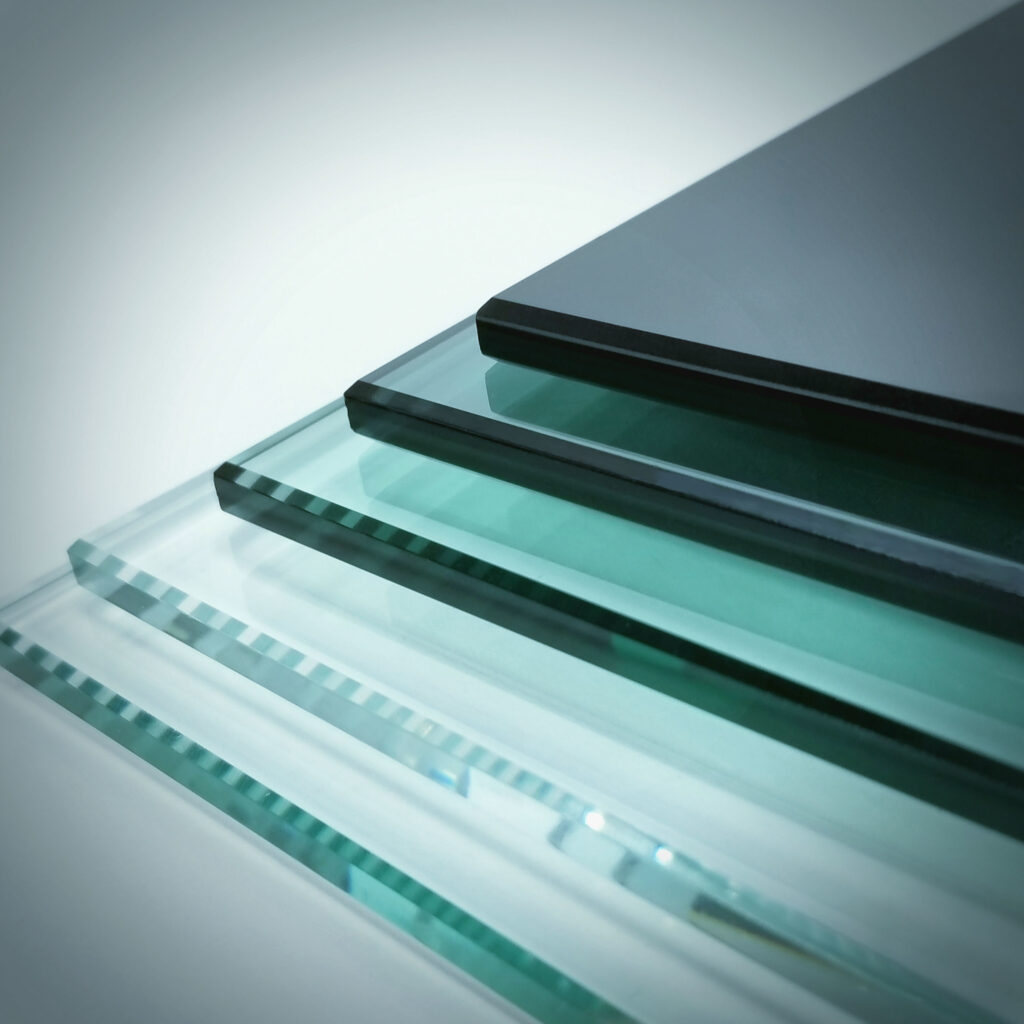
  • Clear Glass: Fully transparent, with minimal colour or texture.
  • Frosted Glass: Opaque/translucent with a matte surface that diffuses light.
  • Tinted Glass: Glass with a subtle colour (e.g., grey or bronze) that reduces glare and adds warmth.

Each one creates a distinct look and performance profile for your shelving.


1. Clear Glass Shelves — Pure Transparency & Minimalism

What It Looks Like

Clear glass provides the most transparent view — you see through the shelf almost as if it isn’t there. This makes spaces appear more open and airy.

Why Choose Clear

Maximum light transmission — great for brightening small or dark spaces. SmartBuy
Visually lightweight — ideal for minimalist, modern interiors. SmartBuy
Best for display shelving — shows off décor and products without distraction.

Clear glass also reflects ambient light, helping make rooms feel bigger and less cluttered compared with opaque shelving. SmartBuy

Considerations

  • Shows fingerprints and dust more readily than other finishes. SmartBuy
  • If used in very bright or sunny areas, glare can be noticeable.

Best For: Living rooms, display shelving, open concept areas, or anywhere you want maximum visibility and light.


2. Frosted Glass Shelves — Soft, Elegant, and Masking Flaws

What It Looks Like

Frosted glass is made by sandblasting or etching one surface, creating a soft, matte finish that lets light pass through without being completely transparent. glasshelper.co.uk

Benefits of Frosted Glass

Diffuses light — reducing harsh reflections. glasshelper.co.uk
Hides fingerprints and smudges better than clear glass. glasshelper.co.uk
Adds texture and visual softness to interiors. glasshelper.co.uk

Frosted glass creates a more subtle, refined look without blocking light. It’s often chosen where glare reduction, softer ambience, or a slightly more private feel is desired — such as in bathrooms, vanities, or office shelves. glasshelper.co.uk

Considerations

  • Offers less visibility through the shelf than clear glass.
  • The matte surface can retain dust in its texture if not cleaned regularly.

Best For: Bathrooms, vanity zones, offices, or shelves holding everyday items where a softer aesthetic and reduced glare are priorities.


3. Tinted Glass Shelves — Style With Mood & Depth

What It Looks Like

Tinted glass incorporates a subtle colour throughout the glass (e.g., grey, bronze, green), giving a stylish hue while still letting light through. Kova

Why Tinted Glass Works

Reduces glare and brightness — slightly darker than clear. Kova
Adds colour tone and warmth to a space. Kova
Stylish and visually distinctive — excellent for feature displays. Kova
Modern, chic appeal — works especially well in contemporary decor.

Tinted shelves can be particularly attractive in living areas, dining rooms, or retail displays where a touch of mood or colour enhances the overall look. Kova

Considerations

  • Reduces light transmission compared with clear shelves — though still lighter than opaque options. Kova
  • Colour choice should complement surrounding décor to avoid clashing.

Best For: Stylish living rooms, feature shelving, modern offices, or spaces where warmth and depth are desired.


Quick Comparison — Clear vs Frosted vs Tinted

FeatureClear GlassFrosted GlassTinted Glass
Light TransmissionHighMediumMedium–Low Kova
Visibility Through ShelfHighLowMedium Kova
Fingerprints VisibilityHighLowerMedium glasshelper.co.uk
Style ImpactMinimalist, modernSoft, elegantStylish, moody glasshelper.co.uk+1
Best ForBright, open areasBathrooms, officesFeature areas, living spaces glasshelper.co.uk

How to Decide Based on Where You Install

Bathrooms

  • Frosted shelves help hide smudges and diffuse bathroom lighting.
  • Clear shelves work if bathrooms are large and bright.
  • Tinted glass adds warmth in contemporary bathrooms. glasshelper.co.uk

Living Rooms & Displays

  • Clear makes spaces feel open and showcases collections.
  • Tinted adds drama and richness, especially under LED lighting.
  • Frosted adds subtle sophistication without full transparency. glasshelper.co.uk

Offices & Workspaces

  • Frosted glass reduces glare and softens light.
  • Clear glass keeps sightlines open and modern. glasshelper.co.uk

Retail or Showcases

  • Clear glass shows products clearly and brightly.
  • Tinted can add premium ambiance in boutique spaces. (e.g., cooler grey or warm bronze tint) SmartBuy

General Pros & Cons at a Glance

Clear Glass

Pros: Maximum light, minimal look, excellent display quality
Cons: Shows dust and fingerprints easily

Frosted Glass

Pros: Soft aesthetic, hides smudges, glare reduction
Cons: Less transparency

Tinted Glass

Pros: Stylish colour tones, glare reduction, visual depth
Cons: Slightly darker feel, needs décor coordination


Final Tips Before You Order

Match the finish to your room’s lighting — brighter spaces benefit from clear, while darker or warmer areas can use tint. SmartBuy
Consider cleaning habits: if you want less visible fingerprints, frosted or tinted finishes help. glasshelper.co.uk
Think about décor style: clear is classic, frosted is soft and elegant, tinted adds character. SmartBuy
Always choose tempered glass shelves for safety and strength — regardless of finish. SmartBuy


Explore Stunning Glass Shelf Options

Ready to choose the right finish for your space?
👉 Glass shelves in clear, frosted, and tinted finishes:
https://www.glassmirrorpro.com/glass-shelves/

Whether you want a bright, minimalist scheme, a soft and diffused look, or a stylish, toned finish — there’s a glass shelf style for your needs.

Uncategorized

Glass Shelves for Retail Displays: What Makes Products Look Premium

Dec 13, 2025

A comprehensive, practical guide to using glass shelving in retail environments to create a high‑end, visually compelling product presentation.

When customers walk into a store — whether a boutique, jewellery shop, cosmetics counter, or tech showroom — the way products are displayed deeply influences how they’re perceived. Glass shelving has become a favourite in premium retail settings because it’s light, transparent, and visually elegant, helping products take centre stage without visual clutter.

In this article, you’ll learn how to use glass shelves effectively to make products look more desirable and overall create a luxury retail experience.

👉 Explore retail‑ready glass shelf solutions here:
https://www.glassmirrorpro.com/glass-shelves/


Why Glass Shelves Work So Well in Retail Environments

Glass shelves have several qualities that make them ideal for premium displays:

  • Transparency: Glass doesn’t distract from the products themselves, allowing customers to focus solely on the merchandise.
  • Clean lines and minimalist appeal: This aligns with contemporary visual merchandising strategies that emphasise clarity and simplicity.
  • Play with light: Glass interacts beautifully with light, reflecting and transmitting illumination that enhances product visibility.
  • Perceived value: High‑clarity shelving materials contribute to a brand’s perception of quality and professionalism — especially when combined with attractive hardware and lighting. Jahabow Industries Inc

Retailers often choose tempered or low‑iron glass for shelving when they want a premium, high‑end look that subtly signals quality to shoppers. tradelines.co.uk


1. Let Lighting Elevate Your Products

Lighting is not just functional — it’s strategic.

  • Integrated LED lighting under or above glass shelves makes products pop, giving them a spotlight effect that draws the eye. This is especially important for jewellery, cosmetics, or high‑value gadgets, where sparkle and surface detail are part of the appeal.
  • Lighting can be tuned (cool white vs soft warm) to match your brand’s tone and make colours appear more vivid.
  • Strategic illumination also builds visual hierarchy, telling customers which products are most important — effectively enhancing perceived value. Simple Lighting LTD

A well‑lit glass display makes merchandise look brighter, clearer, and more desirable — essentially creating a premium presentation even before customers interact with the product.


2. Keep Displays Minimal and Uncluttered

Premium retail design often embraces restraint over overcrowding:

  • Allow breathing room around products so each has its own space.
  • Avoid packing shelves with too many items; instead, curate a small number of well‑chosen products per shelf.
  • Minimal arrangements communicate confidence in the product, a key psychological driver in luxury buying decisions. theglobaldisplaysolution.com

Because glass shelves are transparent and visually light, they naturally encourage minimal presentation — creating a clean backdrop that keeps the spotlight on products rather than fixtures.


3. Position Products at Eye Level and Logical Flow Zones

Retail psychology shows that customers tend to remember what they see at eye level or in focal points first. Wikipedia

  • Center and eye‑line zones — especially when paired with glass shelves — draw attention first and help products stand out.
  • Creating “feature zones” on wall shelving or gondolas with glass shelves can elevate specific items, especially new arrivals or best sellers.
  • Consider placing higher‑margin or premium items where customers are most likely to stop and engage.

Glass shelving works well here because it doesn’t block sightlines or create visual barriers, allowing shoppers to appreciate product forms from multiple angles.


4. Use Glass that Enhances Clarity and Colour Fidelity

Not all glass is equal. For ultra‑premium displays, consider:

  • Low‑iron glass, which removes the greenish tint found in standard glass and offers clearer, more true‑to‑life colour presentation. This can make products appear richer and more vibrant under light and complements deep colour tones in luxury merchandise. VD Showcase
  • Polished edges — these offer refined detail and a smoother silhouette, enhancing the shelf’s perceived quality.

Choosing the right glass type matters — both visually and psychologically — because customers associate crystal‑clear shelving with attention to detail. This effect elevates the entire display.


5. Combine with Other Premium Elements

Glass shelves alone don’t create a luxury experience; it’s how they integrate with the rest of your design:

Mirrors and reflective surfaces

Adding mirror backs or reflective panels behind glass shelves can dramatically increase light play and product attractiveness.

Refined hardware

Slim, chrome, brushed metal, or matte black supports enhance a modern, upscale aesthetic without overpowering the products themselves.

Sustainable or high‑quality materials

Using premium materials around glass shelving — such as metal frames or wood accents — reinforces a sense of durability and luxury. Jahabow Industries Inc


6. Integrate Thoughtful Merchandising Strategies

Glass shelving ties into broader retail display principles:

  • Grouping related products together enhances context and encourages multi‑item purchases. theglobaldisplaysolution.com
  • Clear labeling and signage help reinforce product stories without clutter.
  • Strategic use of negative space (empty space) around products helps them appear more special — the idea that “less is more.” Concept Co.

These visual merchandising tactics work hand‑in‑hand with glass shelving to create an upscale atmosphere.


7. Reflect Brand Identity Through Consistency

Your display fixtures should echo your brand’s character:

  • Sleek, frameless glass shelves complement modern luxury brands.
  • Warm lighting and mixed materials work well for artisan or boutique stores.
  • Highly structured, symmetrical shelving suits heritage brands that value tradition and refinement.

Make sure shelving style, lighting, and merchandising decisions consistently reflect your overall brand message — consistency builds credibility and perceived value.


8. Practical Retail Display Tips

Wipe and maintain glass shelves regularly — dust or fingerprints diminish premium appeal.
Use adjustable supports to evolve displays with seasonal or product changes.
Spotlight hero products using lighting and position to increase sales impact.
Ensure safety and standards compliance (tempered/toughened glass for public spaces).


Explore Premium Retail Glass Shelves

Transform your product presentation with quality glass shelving that’s designed to maximize visibility and elevate perceived product value:
👉 Glass shelves for retail displays
https://www.glassmirrorpro.com/glass-shelves/

These glass shelves are suited to boutique, cosmetics, jewellery, tech, and luxury environments where visual appeal directly impacts purchasing decisions.


Summary: What Makes Glass Shelving Look Premium in Retail

ElementHow It Enhances Perception
Lighting (LED, spotlight)Enhances product visibility and highlight details Simple Lighting LTD
Minimal, clean layoutsAvoids clutter, focusing attention on products theglobaldisplaysolution.com
Transparent materials & clarityAllows products to shine without distraction VD Showcase
Positioning at eye levelMaximizes engagement Wikipedia
Brand‑consistent fixturesReinforces premium identity Jahabow Industries Inc

In today’s competitive retail landscape, glass shelving does more than hold products — it elevates the entire shopping experience. Whether you’re showcasing jewellery, cosmetics, fashion accessories, or tech gear, thoughtful use of glass shelving lets products speak for themselves and tells customers they’re shopping in a premium, high‑quality environment.

Uncategorized

Safety Tips for Handling and Installing Tempered Glass

Nov 27, 2025

Introduction

Tempered glass is a strong and safe alternative to standard glass, widely used in homes, offices, schools, and commercial spaces. However, despite its enhanced durability, it requires careful handling and installation to prevent accidents or damage. This guide provides practical safety tips for handling and installing tempered glass, ensuring optimal performance and long-term safety.

Understanding Tempered Glass

Tempered glass, also called toughened glass, is heat-treated to improve its strength. It is designed to shatter into small, blunt pieces if broken, reducing the risk of injury. While safer than standard glass, improper handling can still cause chips, cracks, or serious accidents. Certified tempered glass complies with UK safety standards such as BS EN 12150 and GGF UK guidelines.

Essential Safety Equipment

  • Gloves: Heavy-duty, cut-resistant gloves to protect hands from sharp edges.
  • Safety Glasses: Protect your eyes from shards or dust during installation.
  • Protective Clothing: Long sleeves and sturdy footwear reduce the risk of injury.
  • Glass Suction Cups: Aid in lifting and moving large panels safely.

Handling Tips for Tempered Glass

  • Always carry panels upright; never flat, to reduce stress that could cause breakage.
  • Use at least two people for medium and large glass sheets.
  • Inspect edges and corners before handling to avoid pre-existing chips or cracks.
  • Keep tempered glass away from hard surfaces and sharp objects.
  • Store panels vertically in padded racks to prevent scratches or damage. (RIBA Knowledge Centre)

Installation Safety Tips

1. Proper Surface Preparation

Ensure the installation surface is level, clean, and free of debris. Check frames, fittings, or supports to confirm they are compatible with the glass type, thickness, and finish. Using improper support can lead to stress points and potential breakage.

2. Correct Positioning

Position the glass carefully to avoid contact with hard or uneven surfaces. For furniture like glass table tops, ensure all edges are supported and pads or spacers are used to prevent pressure points.

3. Use Certified Fixings

Only use brackets, clips, and screws certified for tempered glass installations. Avoid overtightening screws near edges as this can create stress fractures. (Saint-Gobain UK)

4. Avoid Post-Tempering Modifications

Tempered glass cannot be cut, drilled, or reshaped after production. Any holes or edge finishes must be completed before tempering. Attempting to alter glass after tempering will cause it to shatter.

Maintenance and Long-Term Safety

  • Clean using soft cloths and mild detergent to prevent scratches.
  • Inspect regularly for chips or cracks, especially around edges and corners.
  • Ensure fittings and frames remain secure over time.
  • Replace damaged panels immediately to maintain safety. (Everest UK)

Design Considerations for Safe Installations

Combining safety with aesthetics is possible using different finishes:

Conclusion

Tempered glass is a safe and stylish choice for furniture, windows, partitions, and commercial applications. By following proper handling, installation, and maintenance practices, you can ensure long-lasting performance and safety. Always choose certified glass from reputable suppliers, and combine safety with aesthetic finishes like clear glass, frosted glass, or satin glass for the best results. For practical applications such as glass table tops, these safety measures are particularly critical.

Meta Information

Meta Title: Safety Tips for Handling and Installing Tempered Glass

Meta Description: Discover essential safety tips for handling and installing tempered glass in homes and commercial spaces for maximum protection and durability.

Target Keywords: tempered glass safety tips, handling tempered glass, installing tempered glass UK, certified tempered glass

FAQ

  • Q: Can tempered glass be handled by one person?
    A: Small panels may be manageable by one person, but medium and large sheets should always be handled by at least two people for safety.
  • Q: What protective gear is recommended?
    A: Use cut-resistant gloves, safety glasses, sturdy footwear, and long sleeves when handling tempered glass. (RIBA Knowledge Centre)
  • Q: Can I cut or drill tempered glass after purchase?
    A: No. Any modifications must be done before tempering; post-tempering alterations will cause the glass to shatter.
  • Q: How should tempered glass be stored before installation?
    A: Store panels vertically in padded racks away from debris and heavy objects to avoid chips or scratches. (Everest UK)
  • Q: Is certified tempered glass safer?
    A: Yes. Certified glass meets UK standards (BS EN 12150, BS 6206) for impact resistance, thermal stress, and breakage patterns. (GGF UK)
Uncategorized

Advantages of Low-Iron Tempered Glass for High-End Furniture

Nov 27, 2025

Introduction

High-end furniture often demands materials that are both visually striking and functionally robust. Low-iron tempered glass has emerged as a top choice in luxury interiors due to its exceptional clarity, strength, and versatility. Unlike standard glass, low-iron tempered glass minimises the greenish tint and offers superior transparency, making it ideal for bespoke furniture pieces, premium tables, and display units. This article explores the advantages of using low-iron tempered glass for high-end furniture.

What is Low-Iron Tempered Glass?

Low-iron glass is manufactured from raw materials with reduced iron content, resulting in higher optical clarity. When tempered, this glass combines superior transparency with enhanced strength. The tempering process involves heating the glass to high temperatures and cooling it rapidly, which increases its resistance to impact and thermal stress. (GGF UK)

Benefits of Low-Iron Tempered Glass for Furniture

1. Exceptional Clarity

Low-iron glass eliminates the subtle green tint present in standard clear glass, allowing for true colour representation. This clarity is especially desirable in luxury furniture, where design details and finishes must be showcased accurately. For instance, a Glass Table Top made from low-iron tempered glass enhances the aesthetic appeal of wooden or metallic bases without colour distortion.

2. Strength and Safety

Tempered glass is inherently stronger than annealed glass, and low-iron variants maintain this property. Its increased resistance to impact and thermal shock ensures safety, even in busy homes or high-traffic areas. If broken, low-iron tempered glass shatters into small, blunt fragments, reducing the risk of injury. (Pilkington UK)

3. Durability and Longevity

Low-iron tempered glass is highly resistant to scratches, stains, and moisture, making it ideal for furniture that undergoes frequent use. Its long lifespan ensures that investment in high-end furniture remains valuable over time, maintaining both beauty and performance.

4. Modern Aesthetic Appeal

The ultra-clear appearance of low-iron glass creates a minimalist, sleek look that complements contemporary interiors. It reflects light beautifully, creating a sense of spaciousness and elegance. Designers often use low-iron glass for dining tables, coffee tables, shelving, and cabinet doors to achieve a luxurious effect. (RIBA Knowledge Centre)

5. Versatility in Design

Low-iron tempered glass can be customised with various edge finishes, shapes, and sizes. Common options include polished, bevelled, and rounded edges for furniture pieces. It also pairs well with other materials such as wood, metal, and stone, allowing designers to create sophisticated and bespoke furniture solutions.

Applications in High-End Furniture

Tables

Dining tables, coffee tables, and side tables benefit from the transparency and clarity of low-iron tempered glass. Its strength allows for larger, unsupported surfaces, enhancing modern minimalist and luxury designs.

Shelving and Display Units

Glass shelves made from low-iron tempered glass provide a floating effect, highlighting decorative objects without visual distraction. Its transparency ensures that attention remains on the items displayed.

Cabinet and Wardrobe Doors

Luxury wardrobes and cabinets often incorporate low-iron tempered glass doors to provide a sleek finish. Frosted or satin options (Frosted Glass, Satin Glass) offer privacy while maintaining light transmission.

Design Considerations

  • Choose appropriate thickness based on furniture size and load. Common ranges include 8–12mm for tables and 6–10mm for shelving. (Everest UK)
  • Select edge finishes for both aesthetics and safety.
  • Consider integrating LED lighting to enhance clarity and create a luxurious ambiance.
  • Pair low-iron glass with complementary materials for contrast and elegance.

Maintenance Tips

Maintaining low-iron tempered glass ensures long-lasting clarity and beauty:

  • Clean regularly with non-abrasive cloths and mild glass cleaners.
  • Avoid dragging heavy or sharp objects across surfaces.
  • Use coasters, placemats, or padding under decorative items.
  • Inspect edges and corners for chips and replace if necessary. (Huxley & Co)

Why Choose Low-Iron Tempered Glass Over Standard Glass?

  1. Superior Clarity: Eliminates green tint for true colour representation.
  2. Strength: Increased resistance to impact and thermal stress.
  3. Safety: Breaks into small, blunt pieces rather than sharp shards.
  4. Durability: Resistant to scratches, stains, and moisture.
  5. Luxury Appeal: Ideal for premium furniture designs.

Conclusion

Low-iron tempered glass combines strength, safety, and unmatched visual clarity, making it a superior choice for high-end furniture. Its ability to enhance minimalist and luxury interiors, alongside versatility in design and durability, ensures a long-lasting investment. For bespoke solutions, explore Glass Table Top options, as well as Tempered Glass, Clear Glass, Frosted Glass, and Satin Glass for a truly luxurious finish.

Meta Information

Meta Title: Advantages of Low-Iron Tempered Glass for High-End Furniture

Meta Description: Discover the benefits of low-iron tempered glass for luxury furniture, including clarity, strength, safety, and modern design versatility.

Target Keywords: low-iron tempered glass, luxury glass furniture, tempered glass tables, high-end furniture glass

FAQ

  • Q: What is low-iron tempered glass?
    A: It is glass with reduced iron content for superior clarity, combined with tempering for strength and safety. (GGF UK)
  • Q: Can low-iron tempered glass be used for tables?
    A: Yes, it is ideal for dining, coffee, and side tables, providing strength and an ultra-clear surface. (Glass Table Top)
  • Q: How does it differ from standard tempered glass?
    A: Low-iron glass eliminates the green tint of standard glass, offering superior transparency and a luxurious look.
  • Q: Is low-iron tempered glass safe for homes?
    A: Yes, it is highly durable and shatters into small blunt fragments if broken, reducing the risk of injury. (Pilkington UK)
  • Q: Can it be customised for bespoke furniture?
    A: Yes, it can be cut, shaped, and finished with various edge options before tempering to suit design requirements. (Huxley & Co)
Uncategorized

Tempered Glass Safety Myths Debunked for Homeowners

Nov 27, 2025

Introduction

Tempered glass is widely used in modern homes for furniture, windows, doors, and kitchen surfaces due to its superior strength and safety. However, many homeowners have misconceptions about tempered glass, leading to unnecessary caution or avoidance. This guide debunks common myths, providing factual insights to help homeowners make informed decisions about incorporating tempered glass in their interiors.

What is Tempered Glass?

Tempered glass, also called toughened glass, is manufactured by heating annealed glass to high temperatures and rapidly cooling it. This process creates surface compression and interior tension, making the glass stronger and safer than standard glass. If broken, tempered glass shatters into small, blunt fragments, reducing the risk of serious injury. (GGF UK)

Common Tempered Glass Safety Myths

Despite its widespread use, several myths about tempered glass persist:

Myth 1: Tempered Glass is Unbreakable

While tempered glass is stronger than regular glass, it is not unbreakable. Excessive impact, especially on edges or corners, can cause it to shatter. However, its safety design ensures it breaks into small, non-sharp pieces, minimising injury. (Pilkington UK)

Myth 2: All Glass is the Same

Homeowners sometimes assume that all glass products have similar strength and safety features. In reality, tempered glass offers superior resistance to heat, impacts, and stress compared to annealed or laminated glass. Understanding the type of glass used in furniture, windows, or partitions is crucial for safety and longevity.

Myth 3: Tempered Glass Cannot Be Customized

Many believe tempered glass cannot be cut, drilled, or finished in any way. The truth is that customisation must be done before tempering. Pre-cut panels, drilled holes, and edge finishes can be specified during production to meet design requirements, including for Glass Table Top or kitchen splashbacks.

Myth 4: Tempered Glass Shatters Easily

Some homeowners avoid tempered glass due to fear of shattering. In reality, tempered glass is more resistant to impact than standard glass. Breakage usually occurs only under significant stress, such as direct impact on edges or exposure to sharp temperature changes. When it does break, the shattering is designed to prevent serious injury. (Huxley & Co)

Myth 5: Tempered Glass is Expensive Without Added Value

While tempered glass may have a higher upfront cost than standard glass, its durability, safety, and versatility provide long-term value. Reduced risk of injury, lower maintenance costs, and enhanced aesthetics make it a worthwhile investment in modern interiors.

Safety Advantages of Tempered Glass

Tempered glass is designed for safety and reliability in homes:

  • Shatter-Resistant Design: Breaks into small, blunt pieces rather than sharp shards.
  • Heat and Stress Resistance: Withstands higher temperatures, making it suitable for kitchens and bathrooms.
  • Impact Resistance: Stronger than annealed glass, reducing the likelihood of accidental breakage. (RIBA Knowledge Centre)
  • Versatility: Suitable for furniture, windows, shower enclosures, and partitions, including minimalist and luxury interiors.

Applications in Modern Homes

Furniture

Tempered glass is ideal for tables, shelving, and display units. Using Glass Table Top ensures durability, easy maintenance, and aesthetic appeal. Edge finishing, such as polished or bevelled edges, enhances safety and elegance.

Kitchens and Bathrooms

Tempered glass splashbacks, countertops, and cabinet doors offer both safety and style. They resist heat, moisture, and staining, making them superior to traditional materials. Consider Frosted Glass or Satin Glass for privacy and decorative effects.

Windows and Partitions

Tempered glass windows and partitions provide safety while maintaining open, light-filled spaces. Clear or tinted panels are versatile for both minimalist and luxury interiors. Learn more about Clear Glass for design flexibility.

Tips for Homeowners to Maximise Safety

  • Install tempered glass panels with professional assistance to ensure correct fitting.
  • Use frames or supports to protect edges from accidental impact.
  • Regularly inspect panels for chips or cracks and replace damaged glass promptly.
  • Clean with non-abrasive materials to maintain surface integrity. (Everest UK)
  • Plan all customisations, such as holes or cutouts, before tempering to avoid risk. (Tempered Glass)

Debunking Myths: Summary

  1. Tempered glass is strong, but not unbreakable.
  2. Not all glass types are equal—tempered glass offers superior safety and durability.
  3. Customisation is possible before tempering; post-tempering modification is unsafe.
  4. Shattering is rare and designed to prevent injury.
  5. Long-term value and aesthetics outweigh initial cost.

Conclusion

Tempered glass is a safe, durable, and stylish option for modern homes. Understanding the facts behind common myths helps homeowners confidently integrate it into furniture, partitions, and decorative features. For high-quality panels and custom solutions, explore Glass Table Top, alongside Tempered Glass, Clear Glass, Frosted Glass, and Satin Glass.

Meta Information

Meta Title: Tempered Glass Safety Myths Debunked for Homeowners

Meta Description: Discover the truth about tempered glass safety and debunk common myths for homeowners. Learn practical tips for furniture, kitchens, and interiors.

Target Keywords: tempered glass safety myths, tempered glass for homes, tempered glass misconceptions, tempered glass furniture

FAQ

  • Q: Is tempered glass completely unbreakable?
    A: No. Tempered glass is stronger than standard glass but can break under extreme impact. Its safety design prevents serious injury. (GGF UK)
  • Q: Can I cut or drill tempered glass at home?
    A: No. Any modification must be done before tempering. Post-tempering cutting or drilling will cause shattering. (Tempered Glass)
  • Q: Does tempered glass shatter easily?
    A: No. It resists impacts and only shatters under significant stress, usually at edges or corners. (Huxley & Co)
  • Q: Can tempered glass be used in kitchens and bathrooms?
    A: Yes. It is ideal for splashbacks, countertops, and cabinetry due to heat, moisture, and impact resistance. (Pilkington UK)
  • Q: What are the benefits of tempered glass in furniture?
    A: Provides strength, safety, low maintenance, and modern aesthetics, ideal for tables, shelves, and display units.
Uncategorized

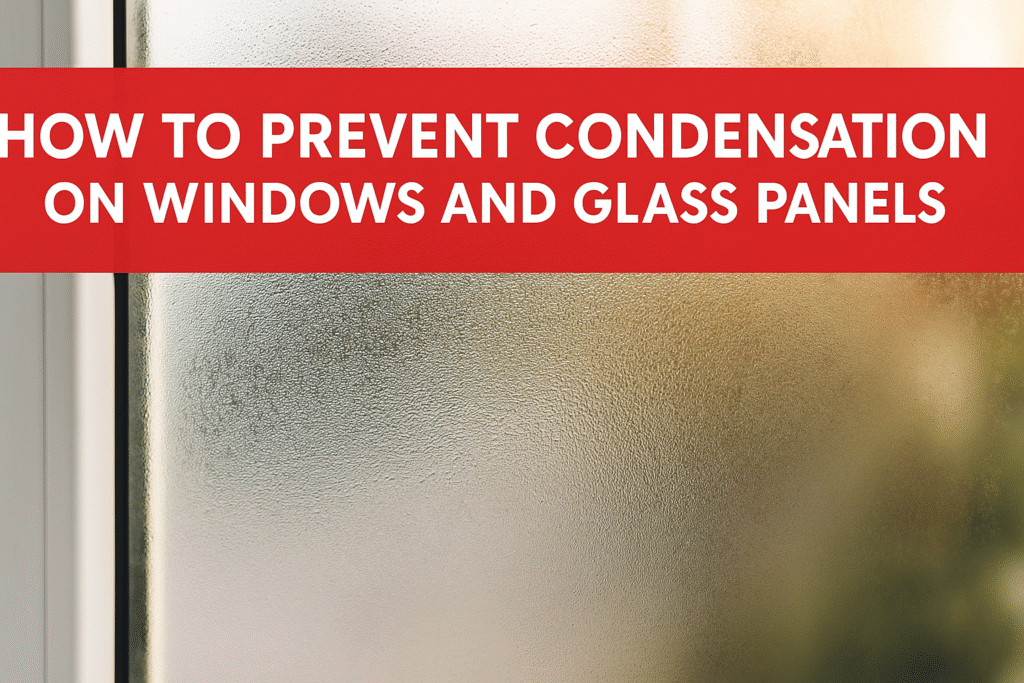
How to Prevent Condensation on Windows and Glass Panels

Oct 15, 2025

Home Care · 2025

Read time: ~6 mins · Updated: 12 Oct 2025

Condensation on glass is one of the most common problems UK homeowners face — especially during colder months.
It can cause damp smells, mould growth, and even damage to window frames.
Understanding why condensation happens and how to prevent it can help protect your property and keep your home comfortable all year round.

What causes condensation?

Condensation forms when warm, moist indoor air meets a cooler glass surface. The temperature difference causes moisture in the air to turn into droplets on the glass. This is more noticeable in winter when indoor heating raises humidity and windows become colder.

Types of condensation on glass

  • Interior condensation – appears on the inside of windows due to excess indoor humidity.
  • Exterior condensation – forms outside the window, usually harmless and a sign of good insulation.
  • Between glass panes – indicates a failed seal in double or triple glazing, allowing moisture into the cavity.

Practical ways to prevent condensation

Condensation can be managed through a few simple adjustments in ventilation, heating, and glass choice:

  • Improve ventilation: Use extractor fans in kitchens and bathrooms or open trickle vents to allow moisture to escape.
  • Maintain steady temperatures: Keep indoor temperatures consistent — sudden cooling can trigger condensation.
  • Use a dehumidifier: Reduces indoor humidity in winter months.
  • Keep window sills clear: Avoid blocking airflow with curtains or furniture.
  • Wipe glass regularly: Prevents moisture from turning into mould or staining.

When to upgrade your windows

If condensation appears between glass panes, the seal has likely failed. In such cases, the most effective solution is replacing the glazing unit with a modern insulated version. Upgrading to double or triple glazing with tempered safety glass can reduce condensation and enhance thermal performance.

  • Choose units with warm-edge spacers and argon gas filling.
  • Consider Low-E coatings to keep the inner pane warmer.
  • Seal edges professionally to prevent moisture infiltration.

Professional glass replacements available

Explore our custom-cut tempered glass options to keep your windows clear, efficient, and safe.

Frequently Asked Questions

Why do my new double-glazed windows still get condensation?
Even with modern glazing, poor ventilation or high humidity can cause internal condensation. The glass itself may not be faulty.


Can condensation damage window frames?
Yes. Persistent moisture can cause timber frames to rot and lead to mould or peeling paint on uPVC frames if not managed.


Is condensation between panes fixable?
No — once the seal is broken, the unit must be replaced. Modern tempered glass units with warm-edge spacers prevent this issue.


Does opening windows help?
Absolutely. Regular ventilation is one of the easiest and most effective ways to prevent condensation buildup indoors.

References:
GreenMatch UK,
Energy Saving Trust,
Homebuilding & Renovating

Want condensation-free glass that lasts?


Get a Free Custom Glass Quote

Made to measure · UK-wide delivery · Energy-efficient designs